Your X username is your digital first impression.
If you’re hunting for twitter username ideas, the question is simple, what handle will still make sense when your account grows, your niche sharpens, or your brand shifts? On X (formerly Twitter), the handle is the unique @username that appears in mentions and the profile URL, while the display name can change more freely. That’s why the best choice isn’t just clever, it’s durable, readable, and easy to reuse across your online presence.
X has existed since 2006, was acquired by Elon Musk in October 2022, and rebranded from Twitter to X in July 2023, which made long-term handle choice more important for anyone building in public or across multiple platforms, according to Statista’s X topic page. Handle scarcity is real on a network this large, and that’s why short, brandable, and niche-clear usernames are usually the ones that survive. If you want a broader naming reference point, you can also find Alexander McIntosh on Gritt.io.
1. Niche + Outcome Username
A niche + outcome handle tells people what you do and what they get by following you. That combination works especially well when you want fewer confused profile visits and more qualified attention, because the account feels relevant before anyone reads your bio. For founders, creators, and marketers, that kind of instant clarity is useful in replies, search, and quote posts.
Make the promise obvious without sounding forced
The strongest versions are concise and specific. @AIWriting, @WebDesignTips, and @CryptoResearch all signal topic fast, while names like @CreatorEconomyNews lean toward analysis and curation rather than personal branding. If you’re a designer, operator, or analyst, this format gives you a practical middle ground between generic and overly branded.
Practical rule: if a stranger can’t guess your topic from the handle, the account does extra work every time it introduces itself.
A useful way to test this formula is to say it aloud and imagine it inside a reply thread. If it feels natural in conversation, it will also feel easier to remember when someone bookmarks your post or searches your name later. On X, that matters because the handle shows up constantly, while the display name can shift more freely.
- Use a real niche term. If you work in AI, design, creator ops, or finance, lead with that category instead of a vague label.
- Pair it with a useful outcome. Words like tips, research, daily, systems, or news create a stronger expectation than abstract branding.
- Keep it readable. X usernames can only contain letters, numbers, and underscores, and X’s help center says they’re limited to more than 4 characters and no longer than 15 characters in the handle field, so brevity matters. See X’s username rules.
If you want a fast way to see whether a niche-outcome idea is available, try an X username checker before you spend time building around it. That’s where a tool like Xholic’s username checker fits naturally.

2. First Name + Last Initial Username
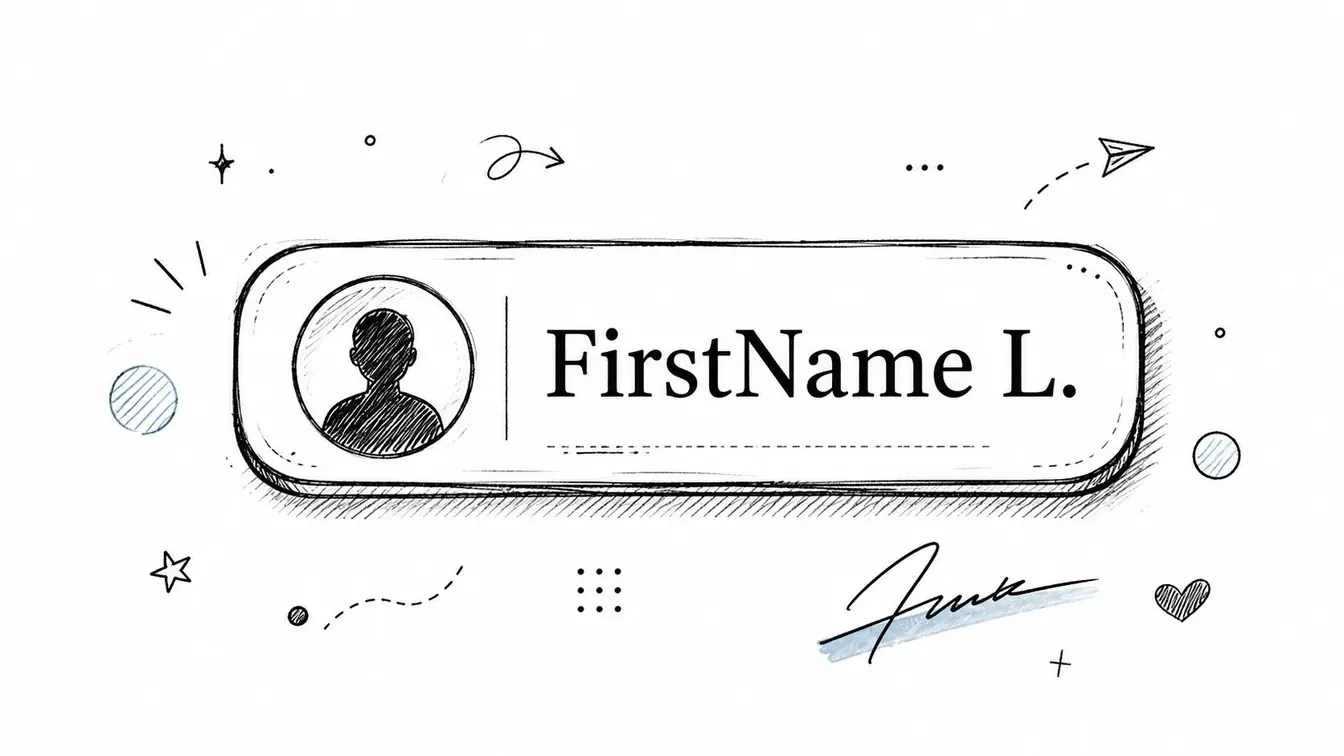
A first name + last initial handle is the cleanest option when you want your account to feel personal, not brand-heavy. It works because people recognize a real human faster than a made-up label, and that matters if you’re a founder, operator, or creator building trust over time. In practice, this is one of the easiest formats to remember, spell, and say in a podcast intro or live call.
Use your identity first, then clarify the context elsewhere
The handle itself should stay simple. A name like @SarahC or @PatrickZ can work even if your actual profile bio does most of the explaining. That’s a smart trade-off when your personal reputation is the product, or when you’re building in public and want readers to follow the person, not just the project.
If the obvious version is taken, add a middle initial before reaching for numbers or awkward punctuation. That keeps the name compact and still feels human. X allows letters, numbers, and underscores, but readability drops quickly when the handle gets cluttered, so this format should stay as clean as possible. You can confirm the handle rules in X’s change-handle guidance.
A quick practical check helps here. If your pinned post and bio explain what you do, a short name-based handle can carry a lot of authority with very little friction. If your bio is weak, though, a minimal handle can feel too generic, which is why clarity in the profile text matters just as much as the username itself.
Use Xholic’s handle-change guide if you’re moving from an old username to a cleaner name-based one.
3. Branded Keyword Username
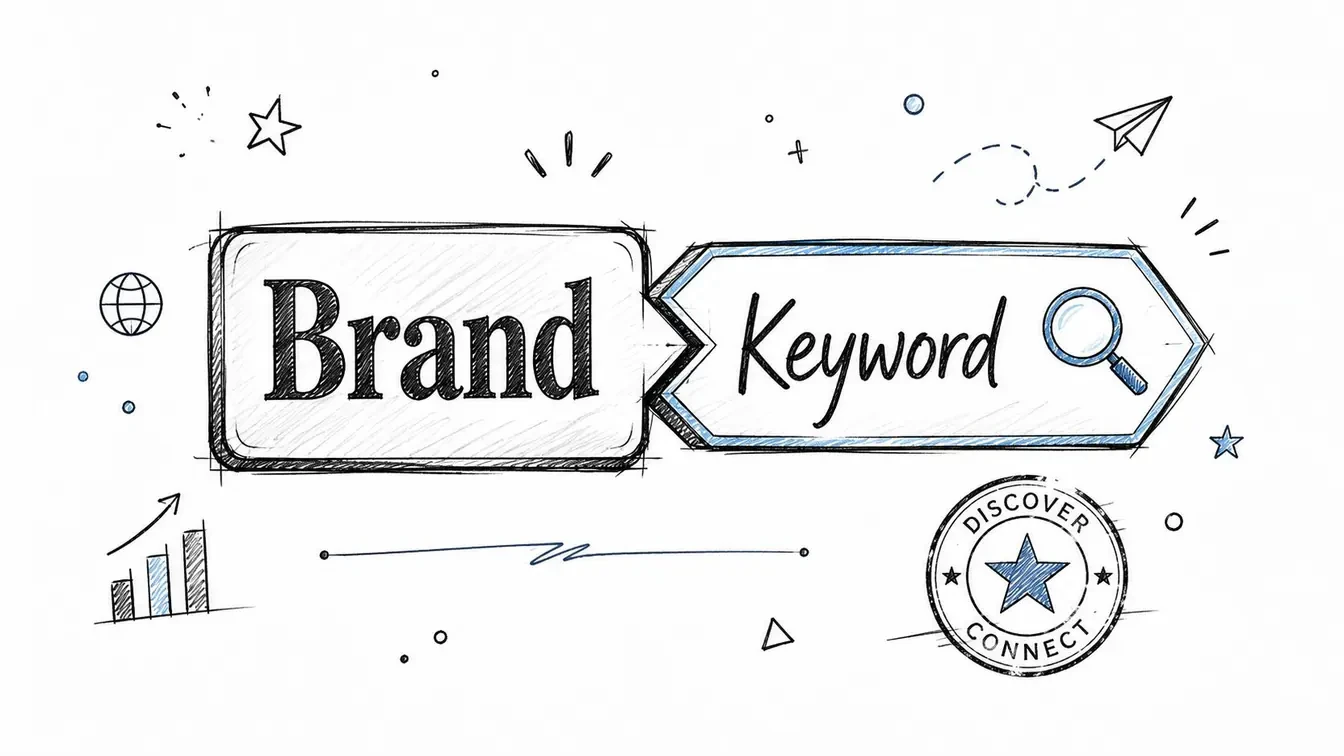
A branded keyword handle sits between a personal name and a pure niche label. It gives you a distinct identity while still hinting at what you do, which is useful if you want something memorable without losing searchability. Accounts like @ContentOS or @GrowthMachine feel more ownable than generic terms, but they still communicate a category.
Build a handle that can grow with the brand
This formula works best when the branded word feels natural, not invented for its own sake. @TheCopyPoet sounds like a real creative voice, while @EngineRoom can fit startup ops or scaling themes without boxing the account in too tightly. The best version has room to expand if your content or product evolves later.
That flexibility matters on X because handle scarcity makes “perfect” names rare, especially in crowded categories like founders, finance, and AI. A branded keyword handle lets you claim something distinct without resorting to cluttered spellings or random numbers. If you’re checking whether a version is workable, use Xholic’s availability checker guide to compare variations before you commit.
Choose a handle that sounds like a real account name, not a placeholder you’ll replace later.
The trade-off is simple. More branding usually means less instant clarity, so your bio has to do the translation work. If the handle is @FoundersUnchecked, the profile text should immediately explain whether that means founder interviews, teardown posts, or operator commentary. That keeps the brand memorable without making people guess.
4. Creator Tag + Perspective Username
A creator tag + perspective handle tells people you’re not just posting, you’re commenting from a defined point of view. That’s why names like @TheDataGuy, @FounderReality, or @IndieHackersTake work so well for analysts and commentators. They suggest a voice, not just a topic.
Make the point of view real
The “The” prefix can add personality, but it gets generic fast if the rest of the handle doesn’t earn it. A handle like @TheAlexClapton works because it feels human and distinct, while @TheSomething can feel lazy if the account never develops a recognizable angle. The strongest versions sound like a person with a thesis, not a slogan.
Consistency matters more than cleverness. If you choose a perspective-driven handle, your posts should repeatedly show that perspective through threads, replies, and quote posts. Readers notice when the name promises an angle and the feed delivers something else.
If you’re building a personal brand around that angle, it helps to align the handle with the rest of the profile. Xholic’s personal branding guide is useful here because the username and bio need to work together, not compete.
The right test is simple. Ask whether the handle would still make sense if someone saw it in a notification, a search result, and a reply thread with no other context. If yes, the format is doing its job.
5. Problem-Solver Username
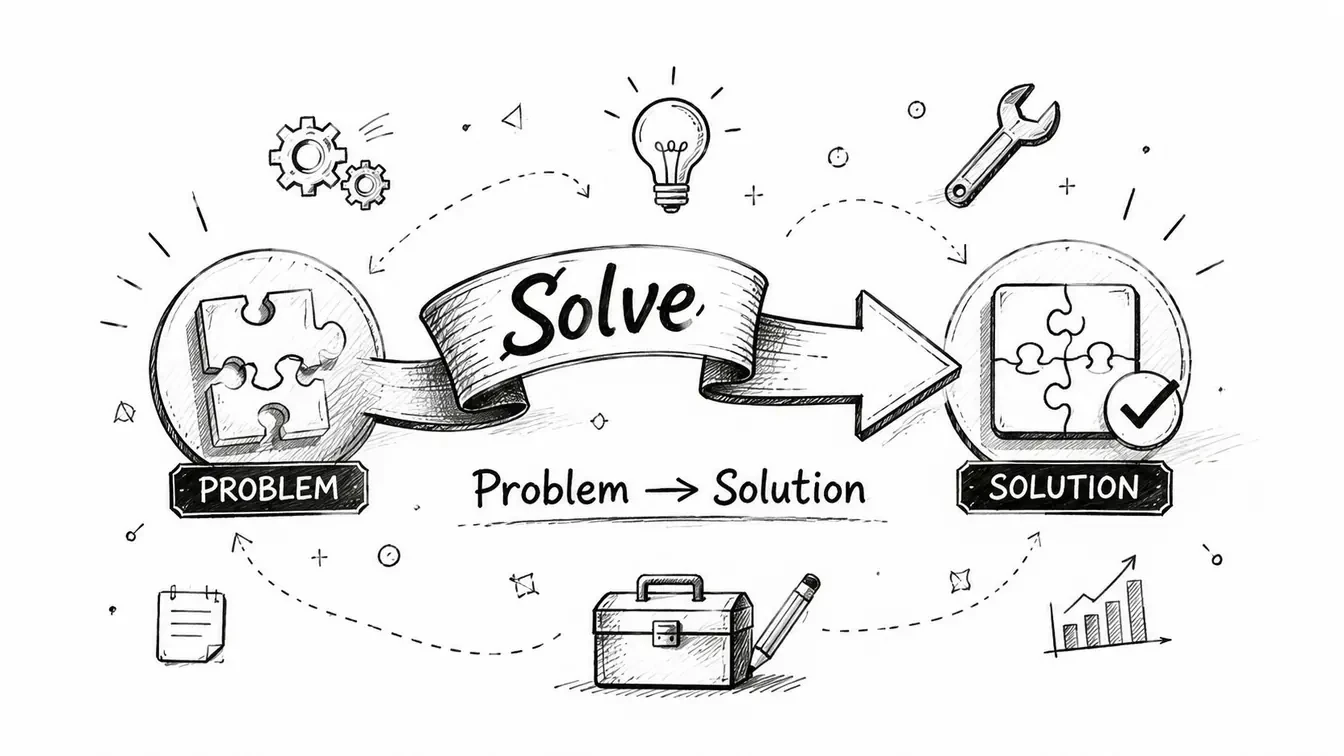
A problem-solver handle is direct, practical, and usually strong for service businesses or advice-led accounts. It frames your profile around fixing a pain point, which helps the right audience self-select faster. Names like @FixStartupOps, @BetterProductCopy, or @StopChurning immediately tell visitors what kind of help they can expect.
Lead with the pain point your audience already feels
This formula works best when the problem is real, urgent, and easy to recognize. @NoMoreWastedMarketing speaks to ad waste, @StopChurning points to retention, and @NoMoreBrokenDesign signals cleanup and repair. That makes the handle useful even before someone reads a single post.
The downside is that this style can age badly if the problem shifts or your work broadens. A narrow fix-it name can be powerful for a specialist, but it can also trap you in one offer if you later move into broader advisory, tooling, or content strategy. That’s why the wording should be strong enough to signal value, but not so narrow that it becomes a dead end.
A practical way to pressure-test the handle is to compare it against your pinned post and your service page. If all three point at the same problem, the account will feel coherent. If the username says one thing and your content says another, people usually feel that mismatch quickly.
- Use a problem your audience already talks about. Don’t invent pain just to sound edgy.
- Avoid claims you can’t back up. The handle can be strong, but it still needs honest content behind it.
- Choose language that still fits six months from now. Problems evolve, and usernames are hard to undo cleanly.
6. Question-Based Username
A question-based handle works when your account is built around curiosity, research, and exploration. Names like @WhatMakesItClick, @WhyDoCreatorsFail, or @WhatIfWeBuilt suggest investigation rather than certainty, which is a strong fit for analysts, strategists, and experiment-heavy creators. It invites readers into a line of inquiry.
Use curiosity as a positioning tool
The benefit of this format is that it creates motion. A handle that asks a real question makes the audience expect analysis, frameworks, and unpacking rather than one-off hot takes. That can be especially effective for people who study creator behavior, community design, or product experiments.
The risk is emptiness. If the question is only there for style, the name feels gimmicky fast. The best question-based handles are tied to a subject you explore in posts, quote posts, and replies. That means the profile has to deliver on the curiosity the name creates.
Question handles also work well when you’re still refining your niche. They let you signal that you’re exploring a theme without locking yourself into a rigid identity too early. For a researcher or indie builder, that flexibility can be more useful than a polished but stale label.
The strongest version usually pairs with a bio that answers the question in plain language. A handle like @HowDoCommunities should be backed by posts on participation, structure, and growth mechanics, not random commentary. If the content and the username line up, the profile feels intentional.
7. Speed + Specificity Username
A speed + specificity handle tells people how often you show up and what they’ll get. Names like @DailyAI, @WeeklyWeb3Research, or @FridayFounding set a cadence expectation that can help newsletters, curation accounts, and recurring commentary brands. That expectation can be a strength if you can keep it.
Only choose a cadence you can actually maintain
This format is useful because it makes your consistency part of the identity. A handle such as @MorningAI promises a regular pattern, while @DailyCreatorNews signals dependable coverage. That can help when your audience values predictable updates more than personal storytelling.
The risk is obvious. If you miss the cadence repeatedly, the handle starts working against you. That’s why the best version is the one you can maintain long term, not the one that sounds most ambitious in week one.
Consistency is part of the brand promise here. If you can’t sustain the rhythm, don’t put it in the name.
For production-heavy accounts, Xholic’s Smart Scheduler can help you batch and plan posts in advance, and its Goals and streaks features can make consistency easier to track. If you’re posting frequently, that kind of workflow matters more than a clever handle because the username sets expectations the content has to meet.
A strong cadence-based username is especially good for market commentary, research threads, and regular creator updates. If the account is built around a recurring editorial rhythm, this formula can make the profile feel professional before anyone even reads the feed.
8. Founder + Product Name Username
A founder + product name handle works when you want your personal identity and your project to stay linked. It’s common for indie hackers, solopreneurs, and founders building in public because the name tells people who is behind the product. It also makes your updates easier to connect to the work itself.
Use this only if the product is a long-term bet
A handle like @SarahBuildingX or @PatrickWithZapier makes sense when the project is central to your public presence. That’s a good trade if you want people to follow the journey, learn from the process, and recognize the product every time you post. It’s less useful if you expect the project to change often or disappear soon.
The upside is clear. This format creates a tight link between trust in the person and interest in the product. The downside is just as clear. It asks you to talk about the product often, because the username itself creates that expectation.
That makes the pinned tweet and profile especially important. If the handle includes the product, the rest of the profile should quickly explain what the product does and why it exists. Otherwise, the account feels incomplete.
This style is strongest when the founder is building in public. It can help with launch storytelling, progress updates, and audience memory because the handle itself becomes part of the narrative. If you’re changing products frequently, though, a more flexible name is usually safer.
9. Contrarian + Industry Username
A contrarian + industry handle signals that you challenge received wisdom inside your niche. Names like @AntiConsultant, @NoMoreMeetings, or @SkipTheVenture tell people you have a stance, not just a subject. That can be powerful on X, where strong viewpoints often attract attention in replies and quote posts.
Use opposition carefully, not just loudly
The strongest contrarian handles are backed by actual conviction. If the name sounds edgy but the content is shallow, the account loses credibility fast. A name like @SalesNotMarketing can work if the content consistently argues a clear thesis, but it needs evidence, examples, and frameworks to hold up.
This style is especially useful for thought leaders who want to stand apart from generic industry chatter. It helps readers know where you stand before they even see your latest post. The trade-off is tone control. If the positioning turns into reflexive negativity, the account can become hard to trust.
A better approach is to define what you’re against and what you’re for. That keeps the account from reading like pure contrarian theater. It also gives your bio and pinned post a chance to clarify the philosophy behind the name.
The best contrarian handles age well when they’re tied to an enduring belief. If your industry changes, your account can still work as long as the core principle still matters. If the stance is trendy, the name gets stale quickly.
10. Outcome-Focused Username
An outcome-focused handle frames the profile around transformation. Names like @HelpingWritersWin, @FoundersExit, or @BuildingEmpires point at the result, not just the method. That can be effective for coaches, community builders, and product makers who want the account to feel aspirational.
Make the outcome believable
This format works when people can clearly see how the outcome is possible. If the handle promises a result, the content has to show the path to it. That means your posts should include examples, progress, process, and evidence of how the transformation happens.
If you want the username and profile to reinforce each other, Xholic’s Twitter profile optimization guide is a practical companion. The handle can promise the outcome, but the bio, pinned post, and content need to explain the mechanism.
The downside is that outcome language can drift into hype if you aren’t careful. It’s stronger when it feels grounded and specific than when it sounds like a sales slogan. A handle like @FoundersExit has a clearer strategic edge than something vague and grandiose.
This format also works well for community accounts and educational brands because it centers the reader’s goal. People follow because they want the result, not just the creator. That makes it useful when your content is meant to support growth, learning, or a defined achievement over time.
10-Style Twitter Username Comparison
| Username Style | 🔄 Implementation Complexity | ⚡ Resource Requirements | 📊 Expected Outcomes | 💡 Ideal Use Cases | ⭐ Key Advantages |
|---|---|---|---|---|---|
| Niche + Outcome Username (e.g., @AIWriting) | Low, simple to create | Low–Medium, regular niche content | High discoverability and relevance | Consultants, analysts, educators, service providers, researchers | Clear signal of value; SEO-friendly; easy to remember |
| First Name + Last Initial (e.g., @SarahC) | Low, minimal setup | Low, cross-platform consistency needed | Strong personal authority and trust | Founders, investors, public figures, operators, consultants | Durable personal brand; easy verification across platforms |
| Branded Keyword Username (e.g., @GrowthMachine) | Medium, requires creative fit | Medium, brand-building and messaging | Distinctive brand presence with searchable term | Content creators, coaches, product makers, marketers | Memorable + extendable to products; balances uniqueness and relevance |
| Creator Tag + Perspective (e.g., @TheDataGuy) | Medium, define a clear POV | Medium, consistent perspective-driven content | Strong persona and thought-leadership | Analysts, commentators, niche specialists, contrarian founders | Differentiates via voice; builds loyal audience around a POV |
| Problem-Solver Username (e.g., @FixingStartups) | Low–Medium, craft specific problem | Medium–High, must demonstrate solutions | High conversion and lead potential | Consultants, founders, niche marketers, coaches | Attracts motivated followers; signals practical value |
| Question-Based Username (e.g., @WhyNotBuilding) | Low, phrasing-focused | Medium, research and exploratory content | High engagement and curiosity-driven community | Researchers, exploratory creators, educators, investigators | Encourages dialogue and learning; invites ongoing exploration |
| Speed + Specificity (e.g., @DailyAI) | Medium, commit to cadence | High, sustained publishing rhythm | Habit formation and loyal, timely audience | News aggregators, researchers, newsletter operators, analysts | Builds regular engagement; sets clear expectations |
| Founder + Product Name (e.g., @ShaneWithX) | Low, combine name + product | Medium, product updates and storytelling | Strong founder-product association | Indie hackers, solopreneurs, founders building in public | Clear signal to investors/partners; authentic builder identity |
| Contrarian + Industry (e.g., @AntiConsultant) | Medium, define defensible stance | Medium–High, evidence-backed arguments | High differentiation; polarizing but engaged audience | Thought leaders, industry critics, contrarian founders | Distinctive voice; attracts attention and committed followers |
| Outcome-Focused Username (e.g., @MakingCreatorsRich) | Low–Medium, pick achievable outcome | High, must show real results and case studies | Mission-driven community and high engagement | Coaches, community builders, product makers, movement leaders | Aspirational clarity; motivates followers to take action |
Your Next Step From Idea to Official Handle
Choosing a username is a strategic decision, not just a creative one. Once you’ve found a formula that fits your goals, start with 3 to 5 contenders, then compare them on clarity, memorability, and long-term fit. From there, check whether the same handle works on X and the other places you plan to show up, because consistency across platforms is part of the brand now, not an afterthought.
If your best ideas are already taken, don’t rush into numbers and clutter. A better move is to widen the idea pool with a tool that can surface related, on-brand combinations instead of forcing a weak compromise. Xholic’s Inspiration Library and semantic search can help you explore adjacent themes, phrasing, and content angles, which is useful when you’re building a handle that has to last through profile changes, product changes, or a future rebrand.
A good workflow is simple. Brainstorm your top options, test availability, then stress-test the winner in a bio, a pinned post, and a few sample replies. If the handle still feels natural in each place, you’ve probably found something worth keeping. If it only looks good in isolation, keep iterating until it fits the full account.
If you’re serious about building on X, choose the handle with the best mix of relevance and durability, then make the rest of the profile match it. The right username won’t do the growth work for you, but it will make every post, reply, and mention easier to recognize.
If you want help finding a handle that fits your niche and the conversations you want to join, visit Xholic AI. It’s built to help you think through what to say next, what content patterns are worth studying, and how to stay consistent once your handle is live.