
Dr. Rhonda Patrick (@foundmyfitness) X analytics
@foundmyfitness
Ph.D in biomedical science interested in nutrition, brain & aging. Host of FoundMyFitness podcast https://t.co/rirQwqebxL
@foundmyfitness has 1.8M followers, a median of 67.8K views per post and a 0.89% engagement rate.
Based on 30 recent original posts (high confidence). Updated November 15, 2026.
At a glance
Key stats
- Followers
- 1.8M1,846,514 followers on November 15, 2026−3.3K in 7 days−23.6K in 30 days
- Median views per post
- 67.8K
- Average views per post
- 160K
- Engagement rate (by views)
- 0.89%
- Original posts per week
- 8.3
- Average engagements per post
- 1,427
Engagement grade
Strong
This is above the baseline for accounts with 1M+ followers.
Profile score
85/100
- Profile completeness100
- Audience shape100
- Engagement25
- Consistency100
- Positioning clarity100
Monetization
Estimated X creator earnings
$501–$1,252 in the last 30 days
From 5M views on @foundmyfitness's original posts in the last 30 days.
Rewards eligibility: likely
Rough estimate. X publishes no payout rate, so this assumes about $100–250 per 1M original-post impressions, based on real creator payouts. Payouts vary with how many of your viewers have Premium.
Free report
How does your account compare with @foundmyfitness?
Get the same report for your own account by email: engagement grade, median views, best times to post and estimated earnings.
Growth
Follower growth
−3.3K followers in the last 7 days. −23.6K in the last 30 days. Tracked by Xholic since October 8, 2026.
| Date | Followers | Change |
|---|---|---|
| Nov 15, 2026 | 1,846,514 | −1,224 |
| Nov 10, 2026 | 1,847,738 | −332 |
| Nov 9, 2026 | 1,848,070 | −1,712 |
| Nov 6, 2026 | 1,849,782 | −62 |
| Nov 5, 2026 | 1,849,844 | −2,685 |
| Nov 2, 2026 | 1,852,529 | −180 |
| Nov 1, 2026 | 1,852,709 | −2,003 |
Timing
Best times to post
When @foundmyfitness's recent posts performed best (UTC).
- #1 slot
8:12 PM
Monday · UTC
- #2 slot
8:18 PM
Tuesday · UTC
- #3 slot
8:34 PM
Wednesday · UTC
What worked
Top recent posts
- 01

@foundmyfitness ·
Four weeks of wall squats reduced systolic blood pressure by nearly 10 points in adults with high blood pressure. Researchers then compared continuing three sessions weekly with reducing to two, one, or none for another month. Systolic pressure remained roughly 7 mmHg below starting levels in the once- and twice-weekly groups. Continuing three sessions weekly produced the greatest reduction of about 14 mmHg. In those who stopped completely, blood pressure moved back toward baseline. This fits with a previous analysis of randomized trials that identified isometric exercise, which involves holding a muscle contraction, as an effective way to lower resting blood pressure. What interests me is the practical question - how much of an exercise benefit can we preserve when we temporarily have less time? This study suggests that reducing the frequency can retain part of the benefit for up to a month.

 Watch video
- 198Replies
- 1.1KReposts
- 9.9KLikes
- 1.8MViews
11.7x average engagementHas a videoLong post (over 200 characters)Posted Thu 17:00 UTC - 02
@foundmyfitness ·
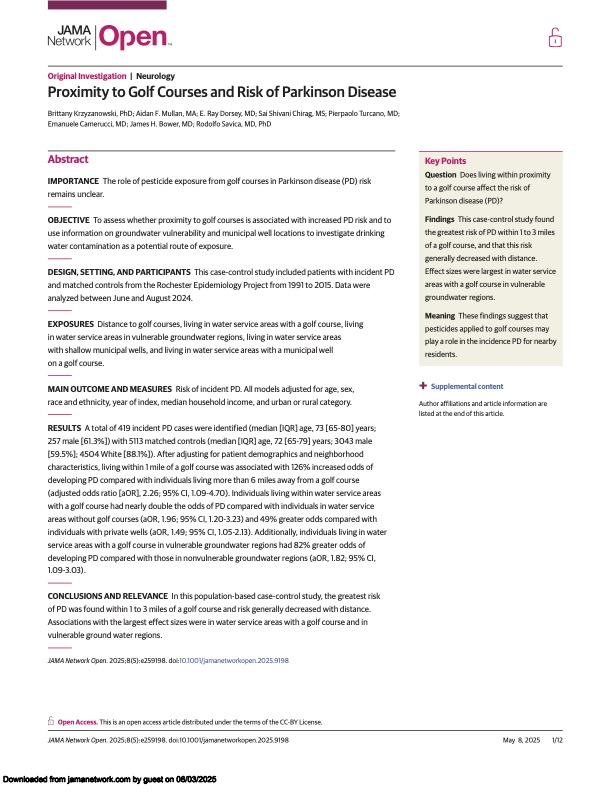
This is the study I cited in the interview. Living within 1 mile of a golf course increased Parkinson’s risk by 126% compared to living over 6 miles away, and the greatest risk (a 198% increase) was observed for those living 1–2 miles from a golf course! People relying on groundwater near golf courses had nearly double the risk of Parkinson's compared to areas without golf courses.
- 172Replies
- 519Reposts
- 4.1KLikes
- 504.8KViews
3.2x average engagementHas an imageLong post (over 200 characters)Posted Sun 17:00 UTCQuote post - 03
@foundmyfitness ·
Sauna is my number one longevity intervention after exercise and diet. A lot of what happens in the sauna overlaps with what happens during exercise, and sauna can even add to the benefits you’re already getting from exercise, including bigger gains in aerobic fitness and reductions in blood pressure. Then there’s the long-term data - using the sauna 4 to 7 times weekly is associated with a 40% lower risk of all-cause mortality, a 50% lower risk of cardiovascular-related death, and up to a 66% lower risk of dementia and Alzheimer's disease. Combined evidence from the physiology, exercise trials, and long-term data is a big part of why I take deliberate heat exposure seriously (and why you should too).
 Watch video
- 132Replies
- 234Reposts
- 2.9KLikes
- 504KViews
2.0x average engagementHas a videoLong post (over 200 characters)Posted Tue 16:00 UTC - 04
@foundmyfitness ·
Butter and cheese can provide the same amount of saturated fat and have different effects on LDL cholesterol. Why? That question gets at something I think we’re missing in many of our debates about nutrition: the food itself. I sat down with Dr. Dariush Mozaffarian, a cardiologist, nutrition scientist, and director of the Food is Medicine Institute at Tufts University. This is one of the most important nutrition podcasts I’ve ever recorded. We spend so much time talking about carbs, fat, and protein. But foods also contain vitamins, minerals, fiber, polyphenols, and many other compounds whose effects we’re only beginning to understand. How those components are packaged together and what processing does to that structure can change how a food affects our bodies. This is the “food matrix.” It helps explain why judging a food by its saturated fat content alone can be misleading, and why adding protein to an ultra-processed snack doesn’t automatically make it healthy. One of the things I found most fascinating was how processing can change what we absorb and what reaches our gut bacteria. We also get into seed oils, red and processed meat, what may be driving obesity, and a question that matters whenever we evaluate a dietary fat: what are we eating in its place? I learned a lot from this conversation, including things that changed how I think about some foods that contain saturated fat. I’m excited for you to hear it. Links to the episode on all platforms are in the comments below. Timestamps: 0:00 - Introduction 1:46 - Medicine's nutrition gap 4:30 - Saturated fat beyond LDL 10:28 - The butter vs. cream paradox 15:44 - Butter, compared with what? 17:25 - How vitamins shaped food policy 24:15 - How three crops took over 28:10 - The single-nutrient fallacy 31:22 - The dark matter of food 41:58 - Processed vs. unprocessed meat 45:26 - Red meat's heme iron problem 49:11 - Crucifers vs. meat carcinogens 52:11 - Is regenerative meat healthier? 53:08 - TMAO as a dietary signal 54:24 - Can unsaturated fats lower LDL? 55:45 - Seafood vs. plant omega-3s 58:07 - Are omega-6s pro-inflammatory? 1:00:53 - Olive oil beyond its fat 1:03:00 - The toll of low omega-3 intake 1:04:14 - Fat as biological information 1:08:45 - Why seed oils got demonized 1:14:44 - Choosing a cooking oil 1:17:37 - Big Tobacco's food playbook 1:21:34 - How additives skip FDA review 1:24:15 - What counts as ultra-processed? 1:27:55 - Why the food matrix matters 1:34:21 - The 10:1 carb-to-fiber rule 1:37:57 - Closing the GRAS loophole 1:39:34 - States take on food additives 1:43:37 - Did refined starch drive obesity? 1:47:30 - The post-2000 obesity paradox 1:50:06 - Is metabolism cooling down? 1:54:43 - Why more brown fat isn't enough 1:57:00 - FTO, obesity's top gene 1:58:30 - Can diet preserve calorie burn? 2:02:27 - Can microbes steer fat storage? 2:03:58 - GLP-1s don't replace nutrition 2:07:00 - Can exercise lower visceral fat? 2:09:36 - Diet's role beyond weight loss 2:10:32 - New guidelines, real food first 2:16:22 - Whole vs. low-fat dairy 2:19:16 - Is plant milk better than dairy? 2:20:31 - Low-fat dairy for APOE4? 2:22:53 - How policy can fix our food 2:32:24 - Food as medicine, with limits
 Watch video
- 79Replies
- 157Reposts
- 1.5KLikes
- 133.1KViews
1.9x average engagementHas a videoLong post (over 200 characters)Posted Tue 15:00 UTC - 05
@foundmyfitness ·
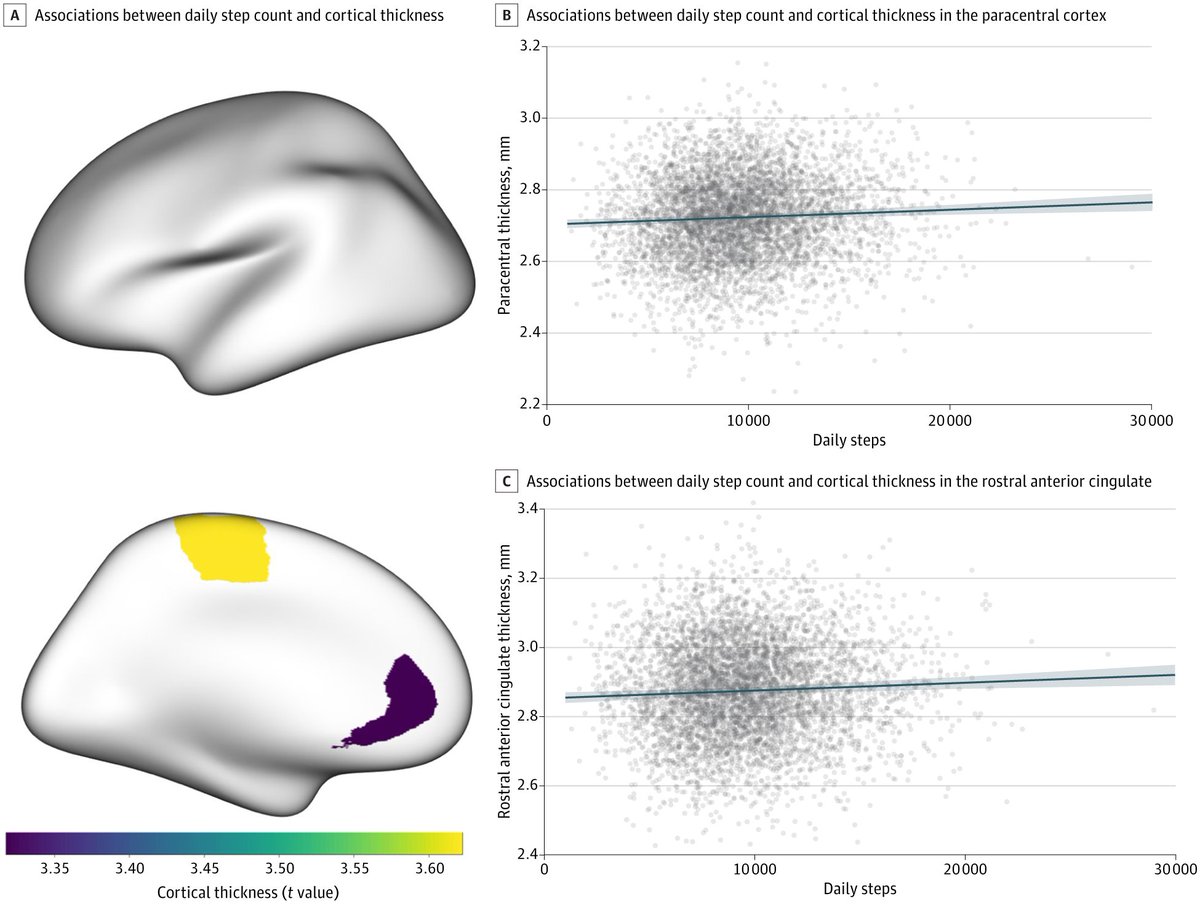
Children averaging 5,000 to more than 12,000 steps per day day had fewer mental health symptoms than those taking less than 5,000. Mental health symptoms were progressively lower across higher step counts with no apparent plateau, even at 12,000+ steps per day. Brain scans also linked higher step counts to greater thickness in two specific regions of the cortex, the brain’s outer layer. Daily movement deserves much more attention as a potential way to support kids’ mental health. That's especially clear when you consider that modern-day digital and urban environments provide little opportunity for movement throughout the day.

- 73Replies
- 209Reposts
- 2.3KLikes
- 245.6KViews
1.3x average engagementHas an imageLong post (over 200 characters)Posted Wed 20:00 UTC - 06
@foundmyfitness ·
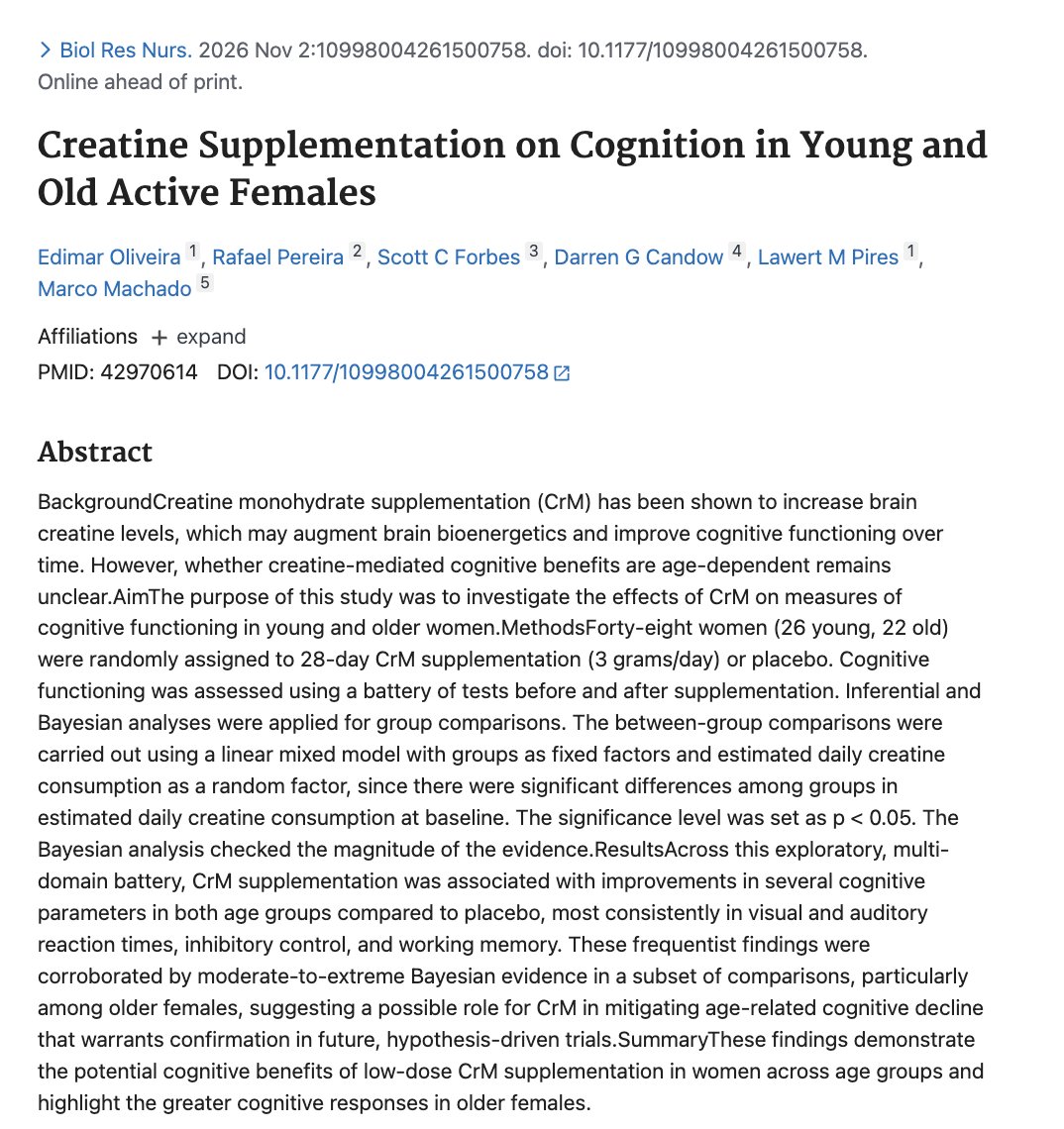
Just 3 grams of creatine a day improved several measures of cognitive function after four weeks. The most consistent improvements were in reaction time, working memory, and inhibitory control, the ability to suppress an automatic response. Older women generally showed greater cognitive responses than younger women. I’m (pleasantly) surprised to see benefits at this dose. I take 10 grams daily, partly because of the research on creatine’s potential brain benefits (which I discussed with @darrencandow). So a study finding improvements at 3 grams gets my attention. Creatine has value alongside resistance training for women, particularly after menopause, when maintaining muscle and strength becomes increasingly important. The possibility of supporting cognitive function adds another reason to study it in this population, and this study suggests cognitive benefits may be achievable at the lower doses commonly used for muscle.
- 87Replies
- 195Reposts
- 1.7KLikes
- 146.7KViews
1.2x average engagementHas an imageLong post (over 200 characters)Posted Sat 16:00 UTC
Latest
Recent posts by Dr. Rhonda Patrick
The latest 30 original posts from @foundmyfitness, newest first, as of November 15, 2026. Replies and reposts aren't included.
@foundmyfitness ·
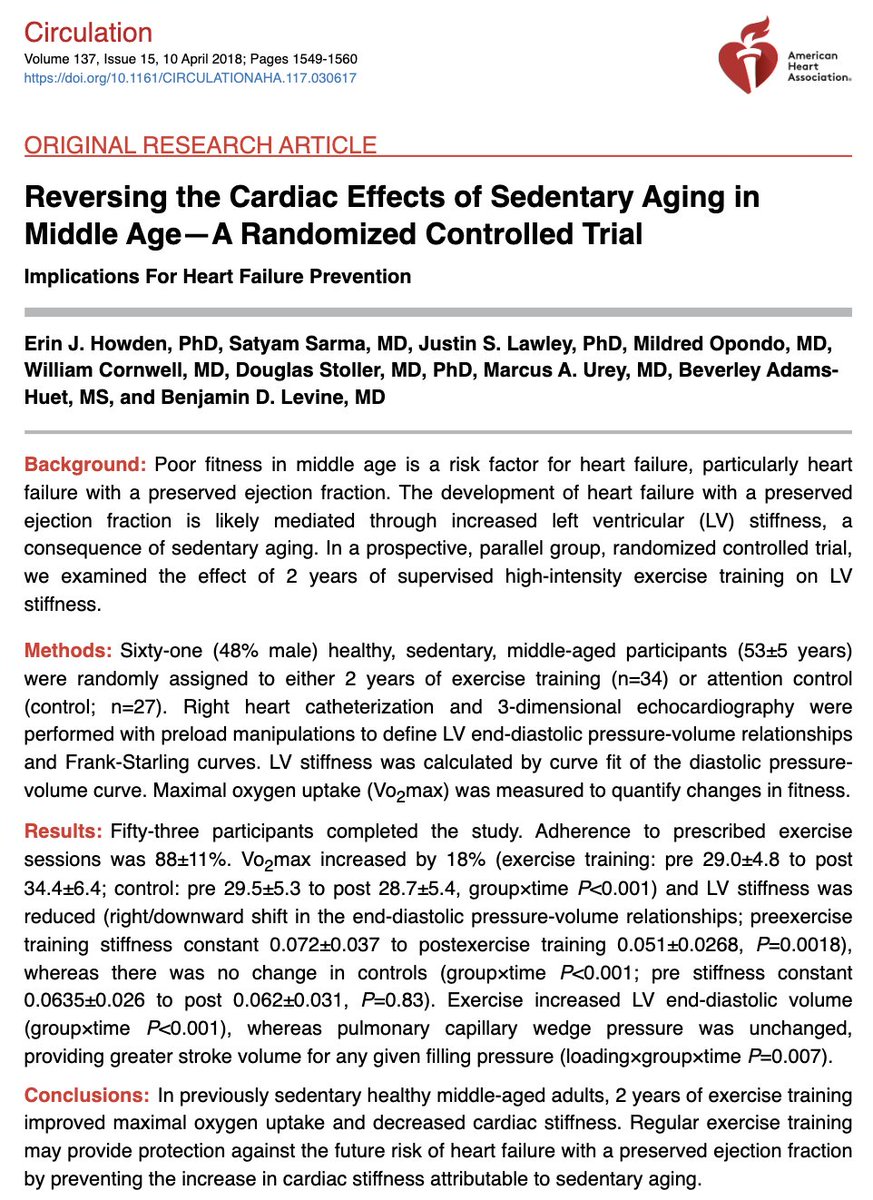
By your 70s, even vigorous exercise may do little to reverse a stiffened heart. In a small study from (previous FMF guest) Dr. Ben Levine’s team, sedentary adults around age 70 trained for a year. Their VO2 max rose 19%, but heart stiffness changed little. Midlife appears to offer a better window. When sedentary adults ages 45–64 completed two years of structured training that included vigorous intervals, their VO2 max rose 18%, and heart stiffness improved. The heart can still respond to training later in life. But changing its stiffness may require sustained, demanding exercise before those changes become harder to reverse.
- 55Replies
- 89Reposts
- 902Likes
- 93.4KViews
@foundmyfitness ·
Nearly 99% of new food ingredients haven't received formal FDA approval. And in some cases, the FDA may not even know an ingredient is being used. It’s called GRAS, or “generally recognized as safe.” A company can review the evidence and reach its own conclusion that an ingredient’s intended use is safe, all without notifying the FDA. Think about that when you turn over a package and see a long list of ingredients you don’t recognize. You might assume someone at the FDA has reviewed them. That’s not necessarily the case. In the European Union, food additives must undergo a scientific safety assessment and receive authorization before they can be used. There’s no equivalent self-affirmed GRAS pathway. This came up in my conversation with Dr. Dariush Mozaffarian in the latest episode of the podcast, and it’s something I think deserves much more attention. He says the FDA has proposed requiring notification for these GRAS uses, but that change isn’t final. An unfamiliar ingredient…
 Watch video
- 29Replies
- 20Reposts
- 240Likes
- 29.7KViews
@foundmyfitness ·
I'm increasingly convinced that maintaining high aerobic fitness may be one of the most important things we can do for brain aging. Brain MRI research has linked higher aerobic fitness with less grey-matter shrinkage across the lifespan in a region involved in attention and working memory. Older age was associated with smaller gray matter volume there among less fit adults, but not more fit adults. Larger volume in that region was also linked to better cognitive scores. Long-term observational evidence has associated each 1-MET improvement in estimated fitness with a 16% lower risk of dementia. Separate exercise studies have reported increased glucose uptake in brain regions vulnerable to early Alzheimer’s-related changes after HIIT, and improved brain blood flow after aerobic training. VO2 max is a capacity we can measure and train, which is why I keep coming back to intervals like the Norwegian 4x4. Taken together, these findings make aerobic capacity hard to ignore.


- 70Replies
- 129Reposts
- 1.2KLikes
- 114.2KViews
@foundmyfitness ·
Recommendations about saturated fat have been dramatically oversimplified. Dr. Dariush Mozaffarian argues that saturated fat can become a distraction when it’s the only thing we use to judge a food. Foods with similar saturated fat content can affect the body differently. For example, saturated fat from butter raises LDL cholesterol, while the same amount from cream can produce little to no increase. One possible explanation is the milk fat globule membrane, the natural coating around fat droplets in cream, largely absent from butter oil. The structure surrounding the fat influences its biological effects. Recommendations that reduce a food to a single number of fat grams can miss its structure, its other components (the food matrix), and the overall diet it belongs to. Those details matter when translating nutrition research into advice about what to eat. From the latest episode of the podcast. You can find it on YouTube, Spotify, and Apple Podcasts.
 Watch video
- 37Replies
- 17Reposts
- 252Likes
- 33.8KViews
@foundmyfitness ·
I’ve spent years studying nutrition. This conversation still made me rethink some foods I thought I understood. I loved spending a few hours talking nutrition with Dr. Dariush Mozaffarian. I had so many questions for him, and I learned a tremendous amount. What I appreciated most was getting into the complexity of food. Beyond protein, carbs, and fat, there are vitamins, minerals, fiber, polyphenols, and countless other compounds we’re still learning about. How they’re packaged together in a food and what happens to that structure during processing can make a real difference in our biology. Conversations like this remind me how much there is left to understand about nutrition. Dariush gave me new things to consider about familiar foods, particularly dairy, and I really enjoyed working through the science with him. That’s one of my favorite parts of doing this podcast... getting to follow my curiosity, question my own assumptions, and share what I learn with you. Our conversation…

- 27Replies
- 26Reposts
- 470Likes
- 40.2KViews
@foundmyfitness ·
Butter and cheese can provide the same amount of saturated fat and have different effects on LDL cholesterol. Why? That question gets at something I think we’re missing in many of our debates about nutrition: the food itself. I sat down with Dr. Dariush Mozaffarian, a cardiologist, nutrition scientist, and director of the Food is Medicine Institute at Tufts University. This is one of the most important nutrition podcasts I’ve ever recorded. We spend so much time talking about carbs, fat, and protein. But foods also contain vitamins, minerals, fiber, polyphenols, and many other compounds whose effects we’re only beginning to understand. How those components are packaged together and what processing does to that structure can change how a food affects our bodies. This is the “food matrix.” It helps explain why judging a food by its saturated fat content alone can be misleading, and why adding protein to an ultra-processed snack doesn’t automatically make it healthy. One of the…
Watch video- 79Replies
- 157Reposts
- 1.5KLikes
- 133.1KViews
@foundmyfitness ·
One of the simplest ways to support your sleep starts in the morning - get outside into bright light for 10-15 minutes, minimum. Light reaching your eyes helps synchronize the master clock in your brain. That clock helps coordinate daily rhythms throughout your body, including hormone release, metabolism, and the timing of sleep. Cortisol is part of that rhythm. It gets a bad reputation because we associate it with stress, but its normal morning rise helps prepare you to wake up and become active. Your body also needs a clear signal for when the day ends, so melatonin can rise and help prepare you for sleep. Give that system a consistent schedule by waking up around the same time each day, getting outdoor light soon after waking when daylight is available, and keeping lights dimmer as bedtime approaches.
 Watch video
- 52Replies
- 44Reposts
- 641Likes
- 47KViews
@foundmyfitness ·
Magnesium helps your body activate and metabolize vitamin D. This may explain why magnesium intake from food, supplements, or both, has been associated with lower odds of vitamin D deficiency and insufficiency. Vitamin D from sunlight, food, or supplements needs to undergo conversions in the liver and kidneys to become its active hormone form, calcitriol. Magnesium supports the enzymes involved in this process, and enzymes that break vitamin D down. Magnesium also supports parathyroid hormone secretion and action, which helps regulate vitamin D activation and calcium balance. Nearly half of Americans get less magnesium from food and beverages than their estimated requirements. If you're paying attention to your vitamin D intake, your magnesium intake deserves attention, too.
 Watch video
- 51Replies
- 48Reposts
- 630Likes
- 42.6KViews
@foundmyfitness ·
Just 3 grams of creatine a day improved several measures of cognitive function after four weeks. The most consistent improvements were in reaction time, working memory, and inhibitory control, the ability to suppress an automatic response. Older women generally showed greater cognitive responses than younger women. I’m (pleasantly) surprised to see benefits at this dose. I take 10 grams daily, partly because of the research on creatine’s potential brain benefits (which I discussed with @darrencandow). So a study finding improvements at 3 grams gets my attention. Creatine has value alongside resistance training for women, particularly after menopause, when maintaining muscle and strength becomes increasingly important. The possibility of supporting cognitive function adds another reason to study it in this population, and this study suggests cognitive benefits may be achievable at the lower doses commonly used for muscle.
- 87Replies
- 195Reposts
- 1.7KLikes
- 146.7KViews
@foundmyfitness ·
Why do testosterone levels appear to be declining among men? I think a few reasons... Too little sleep can lower testosterone. Diet may play a role, too, especially if you’re eating a lot of refined sugar and processed foods or getting too little zinc and magnesium. Zinc, for example, helps the body make testosterone. But I suspect one of the biggest factors is our exposure to endocrine-disrupting chemicals. Three I pay attention to are BPA, phthalates, and PFAS. We encounter BPA and phthalates in some plastics, and PFAS, often called “forever chemicals,” in products designed to repel water and oil. What concerns me is that these chemicals can interfere with how hormones work. That includes sex hormones like testosterone and estrogen, as well as thyroid hormones, which help regulate metabolism.
 Watch video
- 68Replies
- 44Reposts
- 605Likes
- 66.3KViews
Show all 30Show fewer
@foundmyfitness ·
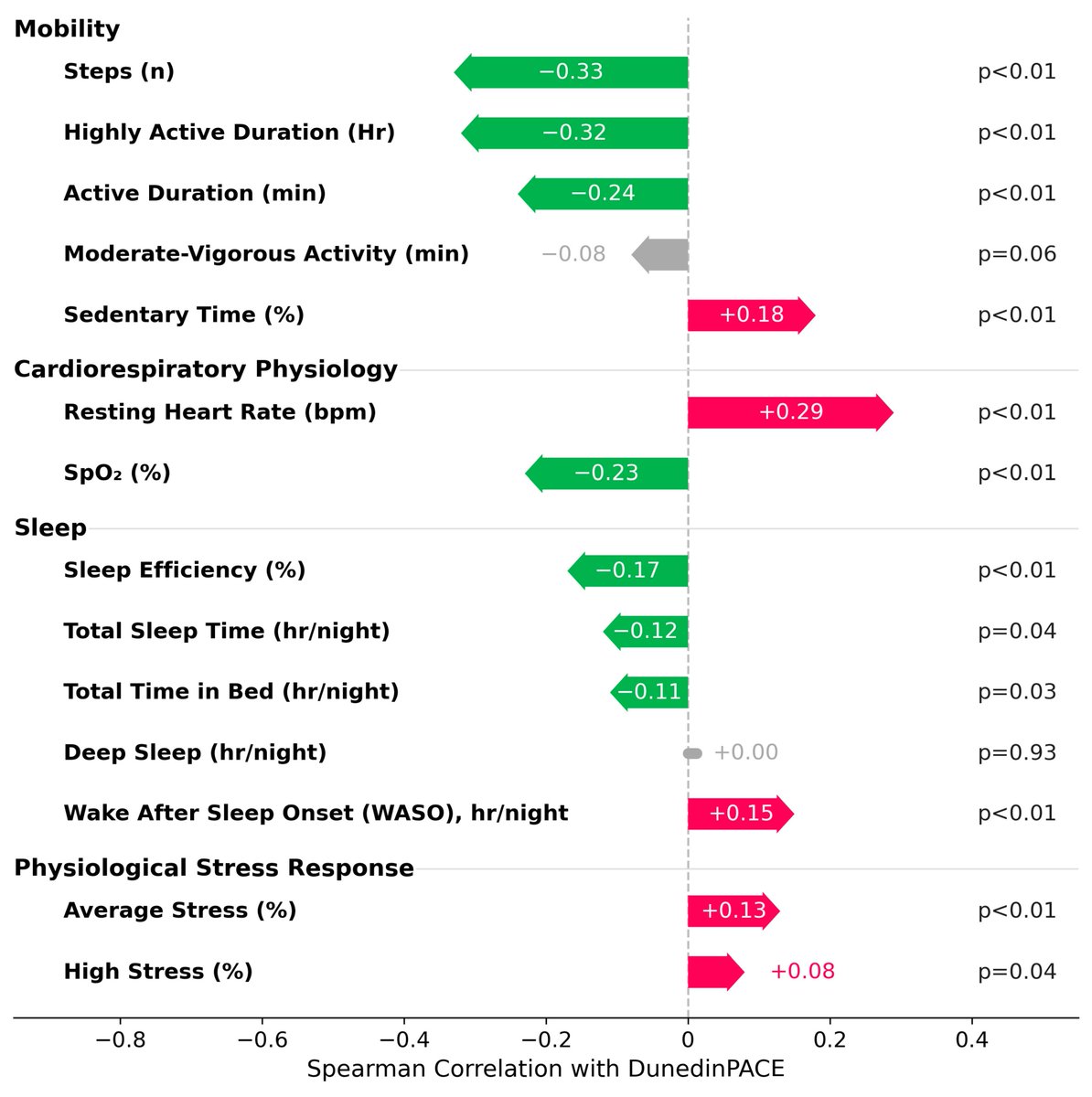
Your daily step count and resting heart rate may offer clues to how fast you age. People who averaged fewer than 5,000 steps a day were more likely to show a pace of aging above 1.2 biological years per calendar year. That’s more than 14 months of biological aging in 12 months. People with a resting heart rate above 80 beats per minute were also more likely to show accelerated biological aging. On the other hand, each additional 3,000 daily steps and a resting heart rate 10 beats per minutes lower were associated with an estimated 11 fewer days of biological aging per year. When I spoke with Dr. Steve Horvath (@prof_horvath), we discussed how researchers use DunedinPACE to test whether lifestyle changes can slow the pace of aging. What stands out in this study is that two numbers you can check on your wrist tracked with signs of aging that researchers could detect in your DNA!

- 63Replies
- 78Reposts
- 828Likes
- 111.3KViews
@foundmyfitness ·
Can supplements slow cognitive decline? I think a few show promise: Omega-3s (EPA and DHA) - Important for neuronal membranes, brain function, and resolving inflammation. Higher omega-3 levels are associated with lower dementia risk. Multivitamins - Daily multivitamins improved cognition in older adults in the COSMOS trials, with benefits equivalent to roughly 2 fewer years of global cognitive aging. Vitamin D - Supplementation has been associated with a 40% lower dementia risk, while low vitamin D levels are linked to a 50 to 80% higher risk. Creatine - 20 g/day for 8 weeks increased brain creatine by 11% and improved several cognitive measures in a small Alzheimer's pilot study. This one is promising, but preliminary. Sulforaphane - Increases glutathione levels in the brain. Early trials also suggest cognitive benefits. Exogenous ketones - Provide an alternative fuel for the brain, potentially compensating for impaired glucose metabolism in people with cognitive impairment.…
 Watch video
- 63Replies
- 65Reposts
- 672Likes
- 57.1KViews
@foundmyfitness ·
Sleep isn't something you do. It's something that happens when the situation allows for it. “Trying harder” can actually keep you awake longer. One of my biggest takeaways from interviewing Dr. Michael Grandner was that you can’t force sleep. Worrying about why you’re still awake, and how you’ll feel tomorrow, can make it harder to settle back down. Sometimes, getting up and taking a break until you feel sleepy can help interrupt that cycle. Letting go of the pressure to sleep won’t guarantee you fall asleep faster, but it can remove some of the stress keeping you awake.
 Watch video
- 74Replies
- 29Reposts
- 527Likes
- 52.1KViews
@foundmyfitness ·
My recommendations if you're struggling to increase vitamin D levels despite supplementation: Make sure you're getting enough magnesium. It's an essential cofactor for vitamin D metabolism. I recommend ~300–400 mg daily from diet and supplements. Magnesium glycinate is a good supplemental form. Choose a reputable, third-party-tested vitamin D3 supplement. Studies have found large discrepancies between the amount of vitamin D on the label and what's actually in the product. Consider a more bioavailable form of vitamin D3 if you're struggling to increase your levels (VESIsorb is one formulation I mentioned to Tim). There's no one-size-fits-all dose! Genetics, absorption, and individual metabolism all affect how much vitamin D you need.
- 54Replies
- 42Reposts
- 584Likes
- 62.9KViews
@foundmyfitness ·
This is the study I cited in the interview. Living within 1 mile of a golf course increased Parkinson’s risk by 126% compared to living over 6 miles away, and the greatest risk (a 198% increase) was observed for those living 1–2 miles from a golf course! People relying on groundwater near golf courses had nearly double the risk of Parkinson's compared to areas without golf courses.
- 172Replies
- 519Reposts
- 4.1KLikes
- 504.8KViews
@foundmyfitness ·
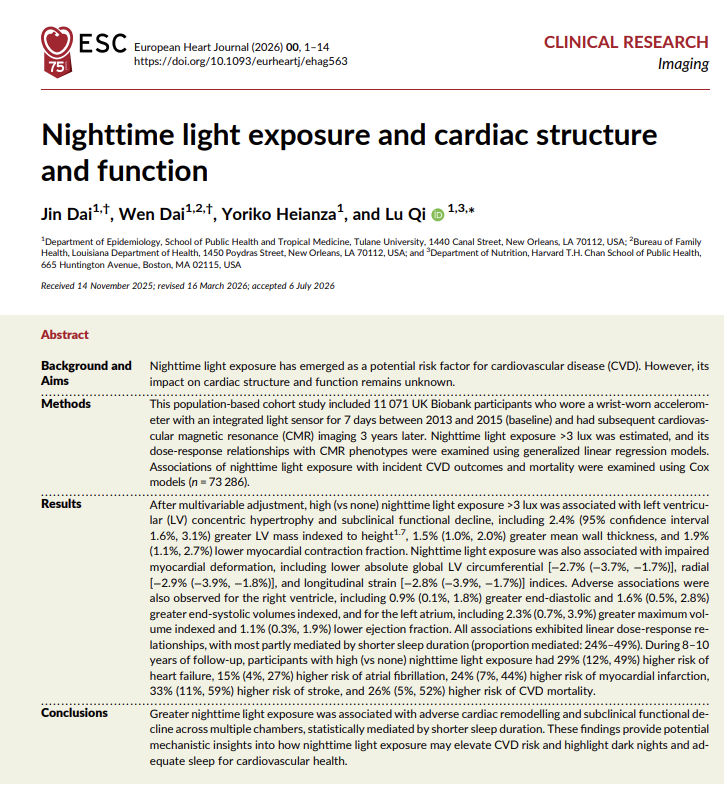
More light at night was associated with subtle differences in the heart’s structure and ability to contract, even in adults without diagnosed cardiovascular disease. Compared with no nighttime exposure, high exposure (about 34 minutes per night) was associated with thicker walls and greater muscle mass in the heart’s main pumping chamber, along with poorer measures of contraction. High exposure was also associated with a 15-33% higher risk of heart failure, heart attack, stroke, Afib, and cardiovascular death in a larger follow-up analysis. Light is a biological signal, and evening light can suppress melatonin and shift our circadian clocks later, affecting systems that regulate sleep and cardiovascular function. I’ve previously shared how I programmed my home lighting to turn red in the evening and used blackout curtains in our bedrooms to support sleep. So to me, this study is yet another reason to take nighttime light seriously. Bright days, dim evenings, and dark bedrooms are…

- 54Replies
- 82Reposts
- 661Likes
- 62.3KViews
@foundmyfitness ·
Four weeks of wall squats reduced systolic blood pressure by nearly 10 points in adults with high blood pressure. Researchers then compared continuing three sessions weekly with reducing to two, one, or none for another month. Systolic pressure remained roughly 7 mmHg below starting levels in the once- and twice-weekly groups. Continuing three sessions weekly produced the greatest reduction of about 14 mmHg. In those who stopped completely, blood pressure moved back toward baseline. This fits with a previous analysis of randomized trials that identified isometric exercise, which involves holding a muscle contraction, as an effective way to lower resting blood pressure. What interests me is the practical question - how much of an exercise benefit can we preserve when we temporarily have less time? This study suggests that reducing the frequency can retain part of the benefit for up to a month.
Watch video- 198Replies
- 1.1KReposts
- 9.9KLikes
- 1.8MViews
@foundmyfitness ·
Regular strength and aerobic exercise are associated with a better-functioning brain in middle age. Women who did resistance training regularly had faster reaction times than those who did aerobic exercise or no exercise at all. Regular exercise of any type was associated with better working memory, with the clearest association among older participants. This was a cross-sectional study of women aged 35-63. But it's hardly specific to this female age group. Brain health is one of the main reasons I exercise. And, as I’ve discussed, the older brain remains capable of responding too. In a separate randomized trial I cite often, a year of aerobic exercise increased hippocampal volume by about 2%. That’s a region critical for learning and memory. All types of exercise deserve a spot in the conversation about brain health, though it's interesting to see there may be some domain-specific effects!

- 48Replies
- 83Reposts
- 671Likes
- 44.6KViews
@foundmyfitness ·
Doing "exercise snacks" every 45-60 minutes beats a single 30-minute walk for lowering blood glucose after a meal. Even when total activity time is the same, distributing it throughout the day makes a difference. Your muscles help clear glucose from the bloodstream, and repeatedly putting them to work appears to matter. Vigorous exercise is especially good for this. How often you move deserves attention alongside how much you move, especially for those who work a desk job and sit for most of the day.
- 60Replies
- 59Reposts
- 766Likes
- 76.1KViews
@foundmyfitness ·
Coffee consumption, both caffeinated and decaf, is consistently linked to better metabolic health, including a lower risk of type 2 diabetes. There are plausible mechanisms behind this association. Coffee’s polyphenols, including chlorogenic acids, and caffeine can activate AMPK, a cellular energy sensor involved in fat burning and glucose regulation. Experimental research also suggests chlorogenic acid can suppress glucose production in the liver. Much of this comes from cell and animal studies, so it helps explain the association, but doesn’t prove that coffee prevents diabetes in humans.
- 63Replies
- 54Reposts
- 698Likes
- 88.7KViews
@foundmyfitness ·
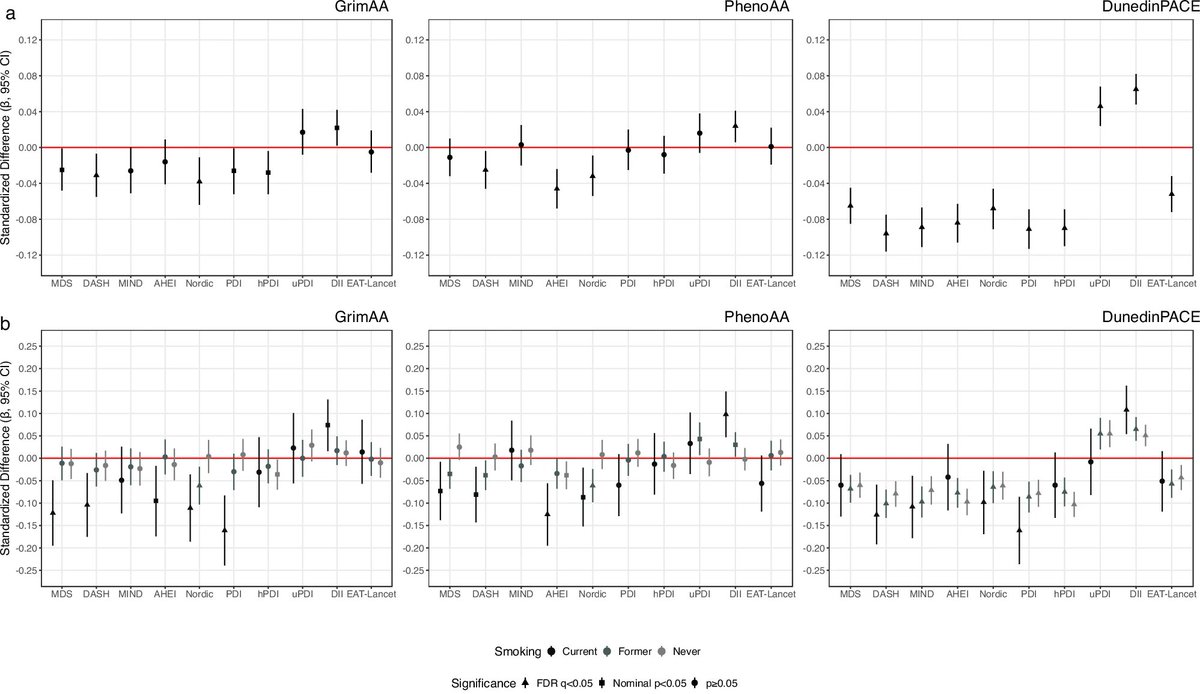
Healthier dietary patterns were generally linked to less epigenetic age acceleration, whereas pro-inflammatory and unhealthful plant-based diets were associated with a faster pace of aging. Specifically, the DASH and Nordic diets were both associated with favorable results across three DNA-based measures of biological aging. These diets bring together several things I emphasize in a healthy diet - polyphenol-rich plant foods such as berries and apples, plenty of fiber from whole grains and vegetables, and whole-food protein sources like legumes, dairy, and fish. Polyphenols and compounds produced when gut microbes ferment fiber can influence inflammation and the epigenetic regulation of gene activity, which is a possible link between everyday food choices and healthier aging. There’s more than one way to build a healthy dietary pattern. The common ground is familiar, practical, nutrient-dense foods.

- 41Replies
- 32Reposts
- 436Likes
- 49.5KViews
@foundmyfitness ·
Ultra-processed foods supply more than 50% of the calories Americans eat. Even children ages 1-5 get more than half their calories from UPFs. This matters for several reasons. UPFs can drive overeating; they contain less fiber, micronutrients, and protein per calorie; and seem to uniquely promote fat gain (especially visceral fat) and inflammation. And in children, UPF Intake is associated with faster increases in BMI, fat mass, and waist circumference. We should not be giving our children ultraprocessed foods, especially sugar-sweetened beverages. Minimally processed foods should be the foundation of meals and snacks, for everyone!

- 41Replies
- 24Reposts
- 295Likes
- 40.9KViews
@foundmyfitness ·
Creatine may help women in perimenopause maintain more consistent sleep when combined with strength training. Women taking creatine for 6 weeks had sleep regularity scores 7.4 percentage points higher than the placebo group, reported fewer days of temperature sensitivity, and had greater brain oxygenation during a cognitive task. The protocol was 20 grams of creatine monohydrate daily for 5 days, followed by about 4.5 grams daily, with resistance training twice a week. These are encouraging early findings, particularly for sleep regularity in a population known to suffer from poor sleep quality! I love seeing more creatine research in women. https://t.co/TftDJvTZDY
- 34Replies
- 31Reposts
- 366Likes
- 46.6KViews
@foundmyfitness ·
If you haven't slept enough, should you still exercise? It depends. If you're severely sleep deprived, dial back the intensity and prioritize recovery. However, the occasional bad night doesn't automatically mean you should skip exercise. In fact, exercise helps with part of the metabolic disruption that follows acute sleep deprivation. Observationally, short sleep (less than 6 hours/night) is associated with higher mortality in people falling short of physical activity guidelines, but among those meeting the guidelines, that excess risk is absent or diminished. I'm not saying that exercise cancels out insufficient sleep. But the data suggest staying active may buffer some of its consequences. From my last appearance on @hubermanlab.
 Watch video
- 49Replies
- 30Reposts
- 458Likes
- 77.6KViews
@foundmyfitness ·
Microplastics can generate damaging free radicals simply by coming into contact with water. This activity was found across six common plastics, including polyethylene and polypropylene. No sunlight or added catalyst was needed! The particles also promoted protein aggregation and damaged red blood cells in mouse experiments. That adds a new dimension to findings I've discussed previously, including the association between micro- and nanoplastics in plaque and a greater risk of cardiovascular events. These new experiments don't establish the risk from everyday exposure, but they reveal a mechanism by which microplastics can exert their biological effects. The surface where plastic meets water can itself become a site of damaging chemistry.


- 27Replies
- 26Reposts
- 290Likes
- 48.2KViews
@foundmyfitness ·
Low omega-3 intake has been identified as a leading dietary contributor to preventable death. It's estimated that low seafood omega-3 intake accounted for 84,000 deaths in one Harvard-led U.S. analysis, compared with 82,000 attributed to trans fats. That’s a substantial estimated burden from something missing in the diet. And the intake gap is substantial. Nearly 90% of Americans aren't meeting seafood recommendations. We pay a lot of attention to ingredients we should avoid, but we should also ask whether we’re getting enough of the nutrients we need. For omega-3s, that means paying attention to EPA and DHA (the forms found in seafood). Fatty fish like salmon is a direct source. Omega-3 supplementation can also help fill any gap not being met through whole-food sources.
 Watch video
- 59Replies
- 82Reposts
- 843Likes
- 69.4KViews
@foundmyfitness ·
Children averaging 5,000 to more than 12,000 steps per day day had fewer mental health symptoms than those taking less than 5,000. Mental health symptoms were progressively lower across higher step counts with no apparent plateau, even at 12,000+ steps per day. Brain scans also linked higher step counts to greater thickness in two specific regions of the cortex, the brain’s outer layer. Daily movement deserves much more attention as a potential way to support kids’ mental health. That's especially clear when you consider that modern-day digital and urban environments provide little opportunity for movement throughout the day.
- 73Replies
- 209Reposts
- 2.3KLikes
- 245.6KViews
@foundmyfitness ·
Infrared vs. traditional sauna. Are the benefits really the same? I get asked this question constantly! My take is that infrared saunas can absolutely produce meaningful heat stress, but they're not necessarily equivalent to traditional Finnish saunas. Traditional saunas heat the surrounding air, typically around 175-195°F, whereas infrared saunas use radiant heat and generally operate at lower temperatures (110-150°F). The important question is how much thermal stress you're actually generating. I personally prefer traditional Finnish saunas. Most of the compelling long-term evidence linking sauna use to lower cardiovascular mortality and dementia risk comes from traditional Finnish sauna studies. But if infrared is what you have access to, I wouldn't dismiss it! My recommendation would be to fully preheat the sauna and recognize that you may need a longer exposure to generate comparable heat stress. Importantly, there's no established temperature-duration formula that makes…
- 66Replies
- 31Reposts
- 552Likes
- 87.8KViews
@foundmyfitness ·
Ultra-processed foods trigger a bigger insulin response than less-processed ones, even when they contain identical calories and nutrients. When people consumed two different meals matched closely for protein, carbs, fat, and fiber, the ultra-processed one produced a larger insulin response despite a similar overall blood glucose response. It also blunted the normal shift toward burning carbohydrates after eating and changed the brain's response to eating. I’ve talked before about Kevin Hall’s trial, where people eating an ultra-processed diet consumed about 500 extra calories per day and gained weight. This new study explains another part of why UPFs are so problematic - it shows that the way food is processed can change how our bodies handle it and even how our brains perceive it!

- 43Replies
- 91Reposts
- 609Likes
- 71.2KViews
@foundmyfitness ·
Sauna is my number one longevity intervention after exercise and diet. A lot of what happens in the sauna overlaps with what happens during exercise, and sauna can even add to the benefits you’re already getting from exercise, including bigger gains in aerobic fitness and reductions in blood pressure. Then there’s the long-term data - using the sauna 4 to 7 times weekly is associated with a 40% lower risk of all-cause mortality, a 50% lower risk of cardiovascular-related death, and up to a 66% lower risk of dementia and Alzheimer's disease. Combined evidence from the physiology, exercise trials, and long-term data is a big part of why I take deliberate heat exposure seriously (and why you should too).
Watch video- 132Replies
- 234Reposts
- 2.9KLikes
- 504KViews
Formats
Content mix
- Text only
- 13%
- With media
- 83%
- With links
- 1 posts
- With hashtags
- 0 posts
Creator style: High-reach broadcaster
See the full app
This creator report is one small part of Xholic
Click through a sample creator's account in the real app. No sign-up, nothing to install.
- Posts written in your voice and scheduled for your best hours
- Buyers found on 𝕏, with a reply drafted for each one
- Analytics that show which posts grow you
No sign-up or login needed · Takes about 2 minutes
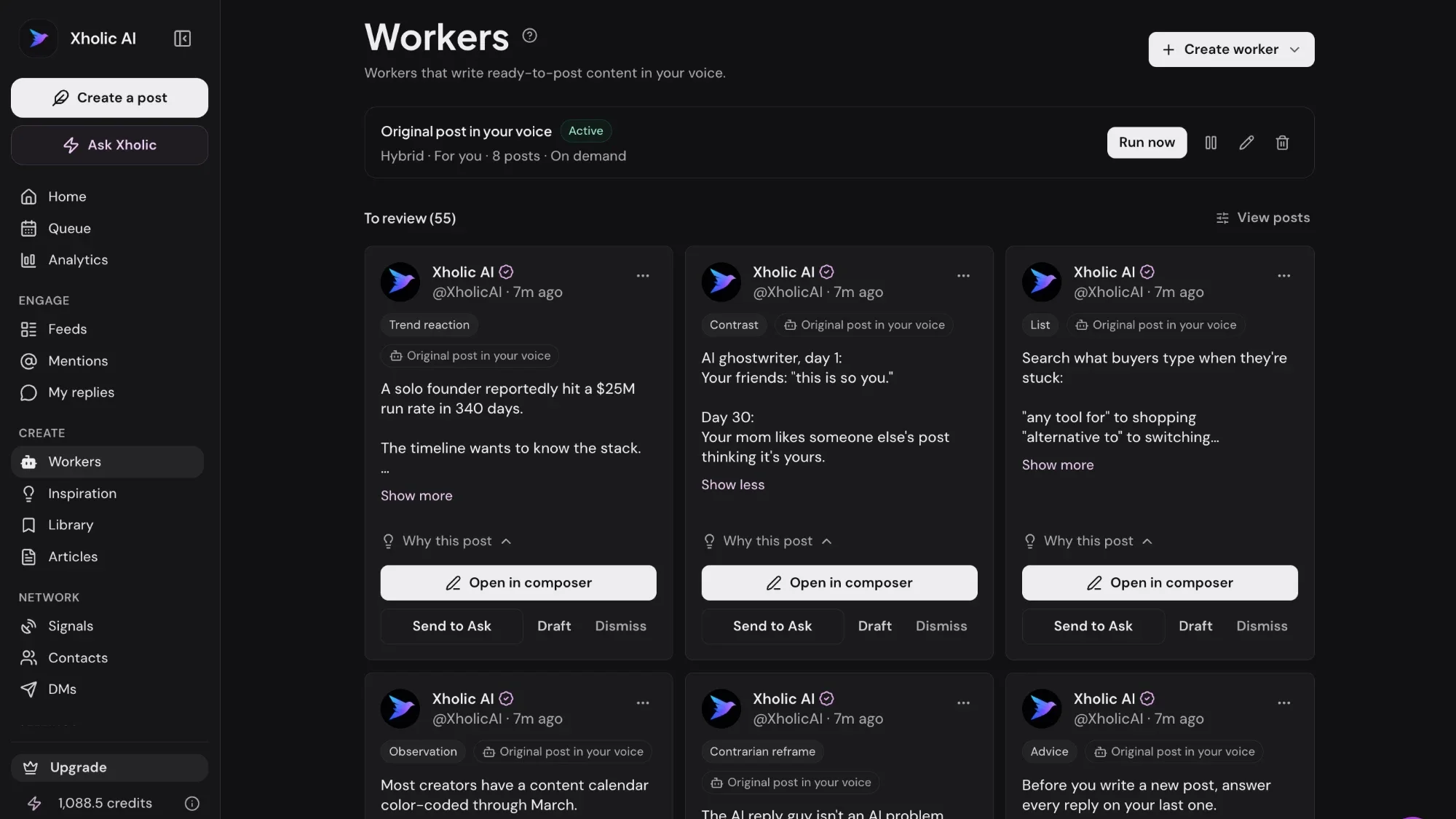
Want numbers like @foundmyfitness's?
Xholic writes posts in your voice, schedules them for the hours your audience is active, and tracks what's working every day.
No card needed · Nothing to cancel
Live demo: no sign-up or login needed · takes about 2 minutes
Keep browsing
More in Health & science


Keep exploring
Free tools
- Compare Twitter AccountsPut two public accounts head to head and see who leads on views, engagement, grade and posting pace.
- Twitter Engagement Rate CalculatorCalculate engagement rate from your numbers or a public profile and grade it against your tier.
- X Monetization CalculatorChange the assumptions behind six X revenue models and compare gross revenue with direct contribution.
Guides
- How to Check an X Follower Count Live (and Read the Trend)Watch any public X account's exact follower count update live, read the session and 90-day charts, and see why the number differs from the X app.
- X/Twitter Analytics Glossary: Every Metric Explained (2026)Definitions, formulas, benchmarks, and actions for X/Twitter analytics metrics including impressions, reach, engagement, followers, clicks, and revenue.
From the blog
- How to Read Your Twitter Analytics DashboardA screenshot walkthrough of the X analytics dashboard - where each tab lives, what every number means, and which metrics to track weekly.
- X Analytics for Brands & Businesses: A Practical GuideHow brands and businesses use X/Twitter analytics to track reach, engagement, and ROI — with the KPIs that actually matter.
Best tweets on this topic
- Best tweets about Burnout and Mental Health for FoundersRead 50 of the best tweets about founder burnout and mental health, with honest lessons on startup stress, resilience, and sustainable work.
- Best tweets about Self ImprovementThe sharpest, most-shared X posts about self-improvement, saved so you don't have to dig through the timeline yourself. Updated every two weeks.
- Best tweets about Remote WorkThe sharpest, most-shared X posts about remote work, saved so you don't have to dig through the timeline yourself. Updated every two weeks.
About this data
- Analytics are inferred from public profile and recent post data. They do not include private impressions, profile visits, link clicks, or follower-source data.
- Deleted, protected, unavailable, or rate-limited posts may be missing from the sample.
- Stats come from public posts Xholic has stored, not private X Analytics. Xholic is not affiliated with X Corp or @foundmyfitness.
- Own this account and want it hidden? Email support@xholic.ai — we verify ownership and handle requests within 2 working days.