Habit systems and consistency
Build small, repeatable routines; start with one habit; use triggers, tracking, and long-term repetition rather than dramatic overhauls.
58%
Best tweets about Self Improvement
A curated collection of the sharpest, most-shared X posts about self improvement—saved so you do not have to dig through the timeline yourself. Updated weekly.
Habits, discipline, and advice specific enough to use.
Original Xholic analysis
The conversation favors usable self-improvement mechanics: start small, repeat reliably, and redesign surroundings so better choices require less effort. It also commonly frames discipline as follow-through beyond mood, while a smaller set of posts cautions against self-punishment and emphasizes that circumstances and structures also matter.
78% of posts
All-time engagement
70% of posts
Published in 90 days
Conversation map
Build small, repeatable routines; start with one habit; use triggers, tracking, and long-term repetition rather than dramatic overhauls.
58%
Prioritize decisions, standards, and follow-through over temporary inspiration, especially when work is uncomfortable or boring.
40%
Make desired actions easy and unwanted actions inconvenient through physical setup, access limits, blockers, cues, and supportive surroundings.
30%
Make behavior sustainable by changing self-image and standards—acting as the person you decide to become, not merely pursuing goals.
28%
Persist through setbacks, plateaus, monotony, and low periods by restarting small, adjusting expectations, and returning to the process.
20%
Protect attention by reducing phone use, doomscrolling, notifications, cheap stimulation, and other forms of fragmented consumption.
18%
Use sleep, exercise, movement, food routines, and basic physical care as core habits that support energy, mood, and performance.
18%
Avoid using planning, learning, optimization, or self-improvement content as procrastination; learn through imperfect real-world action.
12%
Tone and stance
Performance benchmark
Posts with media make up 30% of this collection. Their median all-time score is 9.55, compared with 35.1 for text-only posts.
Format mix
Consensus and debate
Shared view
A practical throughline is to establish a small action before optimizing it: choose one habit, make it easy to repeat, then build from consistency.
Shared view
Posts repeatedly recommend making desired actions easier and unwanted ones harder—for example, preparing workout gear, moving a phone away, using blockers, and limiting easy access to distractions.
Shared view
A recurring definition of discipline is acting according to priorities or standards when motivation fades, rather than waiting to feel inspired.
Shared view
Several posts argue that sustainable change involves defining the kind of person one is becoming and using repeated actions as evidence for that identity.
Open debate
Many posts foreground standards and follow-through, while other posts argue that environments, incentives, and structural constraints can substantially shape behavior and outcomes.
Open debate
Some posts emphasize consistency through discomfort and monotony. Others caution against self-bullying and suggest beginning with one manageable, humanizing step when mentally drained.
What performs
The two highest-scoring outliers were both three-item self-improvement lists. Format analytics also show that lists had a higher median all-time score than announcements (41.78 versus 12.5).
Questions represented 2% of formats and had the highest format median all-time score (189.807), but this result is based on one question-format post: a prompt about mastering the habit of showing up.
In the supplied aggregate analytics, tweets with media had a median all-time score of 9.553, versus 35.117 for text tweets. This describes the observed sample and does not establish that media caused lower performance.
Statistical standouts
Creator landscape
The five most represented creators account for 20% of the selected posts.
1. Alan Stein, Jr.
@AlanSteinJr
2 posts
2. Alex Hormozi
@AlexHormozi
2 posts
3. Dickie Bush
@dickiebush
2 posts
4. Olivia
@Olivia0945
2 posts
5. Unfiltered
@quotesdaily100
2 posts
6. Reads with Ravi
@readswithravi
2 posts
Alex Hormozi is listed among the top voices by volume and has the highest listed creator median all-time score (949.2). His two included posts use concise, numbered actions rather than abstract encouragement.
Reads with Ravi appears twice among top voices, with posts focused on showing up consistently and treating small actions as evidence of a new identity.
Dickie Bush states the friction principle in compact form, while another post translates attention protection into operational phone limits, blockers, feed controls, and grayscale settings.
Since the previous snapshot
Themes, sentiment, stance, and post format are classified per tweet. All counts, shares, medians, creator concentration, freshness, and performance comparisons are then calculated directly from the published snapshot.
Xholic's all-time score compares engagement while accounting for reach, post age, and creator consistency. It is used for relative comparisons within this collection.
This report analyzes the exact 50-post snapshot shown below. AI identifies editorial categories and drafts explanations; all statistics are calculated from the snapshot, and every narrative claim is checked against cited posts before publication.
Best Self Improvement tweets
Ranked 01–50

@BigBrainBizness ·
Warren Buffett on why the gap between smart and really successful has nothing to do with intelligence: A question he believes most high achievers never stop to ask themselves is this: "Why do smart people do things that interfere with really getting the output they're entitled to?" For Buffett, the answer comes down to habit, character, and temperament. "Everybody here has the ability absolutely to do anything I do and much beyond. And some of you will and some of you won't, but it will be because you get in your own way. It won't be because the world doesn't allow you to. It will be because you don't allow yourself to." The real gap between smart and really successful is measured in daily behaviour. To prove it, Buffett offers a deceptively simple exercise. Pick the person in the room you admire most. Write down why. Then pick the person you can stand the least and write down what turns you off about them. "You won't find it's a bunch of things like throwing a football 70 yards or anything of the sort." What you'll find are behaviours and attitudes that have nothing to do with intelligence and everything to do with conscious choice. And here's what makes this exercise powerful: Those admirable qualities are not out of reach. "The qualities of the first one that you admire are qualities that you, with a little practice, can make your own — and which if practiced will become habit forming." But Buffett doesn't stop there. He adds the warning that gives this whole framework its urgency: "The chains of habit are too light to be felt until they're too heavy to be broken." At his age, he admits, his habits are fixed. But for everyone earlier in the journey, the window is still open and the decisions made today compound quietly for decades. "At your age, you will have the habits 20 years from now that you decide to put into practice today." The framework is simple. Identify what you admire in others and make those behaviours your own. "Ben Franklin did that a few hundred years ago and it still works today."
 Watch video

@thekitze ·
last thing fable told me: The secret is that you don't have a motivation problem — you have an identity problem Every habit you fail to keep is a habit that contradicts who you currently believe you are. People don't act in line with their goals; they act in line with their self-image, with frightening consistency. The smoker who "quits" still identifies as a smoker who's abstaining — so they relapse. The person who identifies as "not a morning person" will sabotage every 6am routine, no matter how good the system is, because keeping the identity intact matters more to your brain than keeping the streak. So the real move isn't habit-stacking. It's quietly deciding who you are and then letting behavior fall out of that. "I'm someone who doesn't miss workouts" requires no willpower in a way that "I should work out" never stops requiring it. Identity is the compression algorithm for ten thousand future decisions. And under that: the self you're protecting is mostly a story Here's the deeper part. Most of what stops people isn't laziness — it's self-protection. Procrastination is fear of finding out your best effort isn't good enough. Staying busy is avoidance of the silence where the big questions live. Perfectionism is a hostage negotiation with your own ego. Nearly everyone is running defense for an imagined audience that is not actually watching, because everyone else is too busy running defense for their imagined audience. The people who look fearless didn't get more courage. They just realized, earlier than everyone else, that nobody is keeping score, that everyone is improvising, and that the cost of looking stupid is approximately zero while the cost of staying safe is your entire life. That realization is worth more than all ten habits combined, because it removes the brakes instead of pushing the gas harder. The actual oneshot, then It's a sentence, and it's annoyingly simple: stop negotiating with yourself. The gap between knowing and doing isn't filled by more knowledge, another book, a better system, or a deeper secret — and the search for a deeper secret is itself the most elegant form of procrastination ever invented. (You see what I did there.) You already know your thing. The one you've been circling for months or years. The secret is that the door isn't locked and it never was — you walk through it by deciding once, identity-deep, and then refusing to reopen the vote every morning. That's it. That's the whole vault.

@readswithravi ·
A reminder from Atomic Habits by James Clear: “People often think it's weird to get hyped about reading one page or meditating for one minute or making one sales call. But the point is not to do one thing. The point is to master the habit of showing up. The truth is, a habit must be established before it can be improved. If you can't learn the basic skill of showing up, then you have little hope of mastering the finer details. Instead of trying to engineer a perfect habit from the start, do the easy thing on a more consistent basis. You have to standardize before you can optimize.”
@readswithravi ·
A reminder from Atomic Habits by James Clear: “Every action you take is a vote for the type of person you wish to become. No single instance will transform your beliefs, but as the votes build up, so does the evidence of your new identity. This is one reason why meaningful change does not require radical change. Small habits can make a meaningful difference by providing evidence of a new identity. And if a change is meaningful, it is actually big. That's the paradox of making small improvements.”

@robkhenderson ·
We’re living through a strange inversion: the habits most people can adopt are losing status, while the traits few people can change are becoming the new currency of success. Traits that are widely attainable and reliably linked to success seem to be losing cultural status, while traits that are far less within individual control are becoming more prized. By “attainable,” I mean the traditional, middle-class virtues: showing up on time, keeping your word, working hard, exercising discipline, treating others with respect, staying within the law. These are not evenly distributed, but they are broadly accessible. Almost anyone, regardless of background, can improve at them on the margin. You can be a little more punctual. A little more prepared. A little more conscientious. And those marginal improvements compound. By contrast, many of the traits that now seem to carry greater weight are far less malleable. Physical attractiveness has some room for improvement, but there are clear limits. The same is true of cognitive ability. People can develop skills and knowledge, but underlying aptitude is much harder to move. The ceiling is tighter, and the returns to effort are less predictable. What’s striking is not just this shift, but the accompanying change in how we talk about it. The older virtues are increasingly treated with suspicion or even contempt. Suggest that someone might benefit from working harder or being more disciplined, and the response is often defensive or hostile. The implication is that such advice is naive at best, or unfair at worst—that outcomes are driven primarily by forces outside individual control. Some of that critique is valid. Circumstances matter. But if we lose sight of the habits that remain within reach for most people, we risk devaluing the very behaviors that, historically, have offered the most reliable path to upward mobility.
 Watch video

@Psychodoctor06 ·
The strongest predictor of a habit isn’t motivation, discipline, or willpower. It is friction. Friction is the number of steps between you and the behavior. Each extra step lowers the chance you will do it. If healthy food is visible and junk food is hidden, you will eat better. If your workout clothes are ready in the morning, you will exercise more. If your phone sleeps in another room, you will scroll less at night. Behavior follows the path of least resistance. It requires better design of the environment. Move the good habits closer. Move the bad habits farther away. Don’t rely on daily battles with willpower. Build an environment where the right choice is simply the easiest choice. #Mindset

@BigBrainPsych ·
Tim Ferriss on the dangerous trap hiding inside self-help: Most people approach self-improvement the same way someone might prepare to play soccer, except they never actually get on the field. Tim describes this pattern in striking detail: "You want to play soccer but first you're going to read all the textbooks and get a master's degree and PhD in soccer and then you're going to practice dribbling and penalty shots and so on by yourself and you want to become as perfect a player as possible by yourself before you ever actually get on the field and play the game of soccer." The result? You begin to believe that practising alone is the same as playing the game. This is the hidden danger Tim calls the self-help trap, the implicit belief that you must fix yourself, do the work, and polish yourself to readiness before you can meaningfully engage with other people, relationships, or family. The problem is that it never ends. There's always another edge to smooth, another flaw to address. The self becomes a project with no completion date. As Tim puts it: "You're always polishing this self and it can become this real recursive dangerous trap, this fixation on the self." The real game, relationships, family, community is learned by playing, not by preparing to play. The friction, the discomfort, the messiness of showing up imperfectly with other people is the development. You can't practise your way into readiness for it in isolation. The irony of self-help is that taken too far, it keeps you away from the very thing you're supposedly preparing for.
 Watch video

@watchingmarkets ·
Regarding your 20s Maybe younger generations have it harder. Or maybe not. Either way, we live in an age of comfort, constantly fed negative news from around the world by the digital era. I feel like a part of the younger generation, especially those in their early twenties, is stuck scrolling, complaining about a bleak future, and chasing a part time work life balance because they feel robbed of their future. Screens, constant news, and negative headlines are shaping their mindset more than they realize. Panic is a product, and you are the consumer. I mean, you can take control. In a generation mostly busy whining while doing nothing, you have the advantage to stand out, grind hard, build capital and skills, and create a foundation you can actually benefit from in your 30s, 40s, and 50s. Think passive income, daily habits, skill growth, and long term routines that let you live life on your own terms. I didn’t spend my twenties chilling or complaining. I’ve had lazy phases, times when comfort felt more important than progress. The key is perspective, life has ups and downs, slow phases and fast, productive ones. But when i was in a productive flow, i pushed through, pulling all nighters, 16 hour days were the norm (work, university, learning new skills like trading, building capital through investing, pushing athletic goals…). And I still believe in enjoying life and making the most of it. Life is best enjoyed by making something of it, through hard work, learning new skills, hitting your goals, and building your capital and abilities. Success starts with small daily habits. Study, exercise, learn new skills, and connect with others, the right interactions will open doors and create opportunities. I think that too many are stuck at home, isolated, and missing out on the connections that actually move life forward. I see a generation that wants more from life, but gets stuck in lounging, whining, and not doing real work. Houses cost more, living expenses are higher, yes, it’s harder to build capital. But that just makes it even more important to focus, grind, and get ahead. Everything seems focused on comfort now, and it feels like fewer people are willing to go all in, work hard, and actually build something. The question is: will you let screens and panic control your life, or will you sit down, work, and actually take control? Where do you start? How do you do it? What routines do you need? You figure it out through active research, deliberate learning, and relentless action. Nobody is going to knock on your door and hand you success. You just start, fail, learn, and start again. Having urgency and drive to succeed is great. Panicking over AI, war, inflation, or every bad headline? That’s deadly. Focus, act, and make the best of it. The hard truth is that in today’s society, you have all the opportunities to make it. If you start from nothing and spend your life complaining that you’re “not privileged,” you’re already living inside a flawed mindset, and it will control your life. This is just my opinion, one part of it, not a general judgment. The point is simple: focus on yourself. In the end, it’s always you vs. you, not you vs. society, not you vs. anyone else. Every day, you’re fighting your own habits, your own comfort zone, and your own panicked thoughts that shape your mindset. Focus on small daily or weekly improvements, over time, they add up to big change.

@alphaman_111 ·
ARMY HABITS That’ll Transform Your Life 1) Make Your Bed (With Precision): It’s not about the bed. It’s about starting your day with discipline, order, and a win. 2) 4 AM Mindset: Wake up early enough to be ahead of the world. Even if not 4 AM, wake earlier than your excuses. 3) The Immediate Action Rule: In the Army, hesitation kills. In life, it kills opportunities. If it takes less than two minutes, do it now. 4) Situational Awareness: Always be aware of people, exits, risks, and opportunities. A sharp mind is a safe mind. 5) High Personal Standards: Uniform or not, your shoes, manners, and words represent your character. Carry yourself with dignity. 6) Physical Fitness as a Responsibility: Strong body leads to a strong mind. Move daily. No excuses. Fitness is a discipline, not a hobby. 7) The Buddy System: Never fight life alone. Soldiers always have a battle buddy. Choose people who support, guide, and correct you. 9) Plan, Prepare, Execute: Soldiers don’t guess; they prepare. Before anything important, rehearse, anticipate problems, and have a backup plan. These habits will change you from the inside out. You don’t need a uniform to walk with pride, live with discipline, think with sharpness, lead with integrity, and love your country❤️❤️.

@milesdeutscher ·
Intelligence is free now. So why aren't more people winning? Because the bottleneck was never knowledge. It's self-mastery. The person who can't focus for 2 hours straight won't build anything - no matter how good their AI tools are. The person who avoids hard conversations will stay stuck - even with the best prompts in the world. The real edge in 2026 isn't what you know. It's: Your habits Your discipline Your emotional intelligence Your ability to push through discomfort Your speed of execution Stop trying to become smarter. Start becoming sharper. Read more books. Journal daily. Train your focus. Meditate. Fix your sleep. Train your body. Eat healthy. Say no more often. Audit where your time actually goes. Improve your systems. Get a therapist or a coach. Cut the people who drain you. The most important skill in 2026 isn't AI. It's self-mastery.

@IAmAaronWill ·
I’m 26. Up until now, this is the best advice I can give you. 1. Hit the gym consistently and heavy. There’s no better show of discipline and consistency than building a strong physique. 2. Find someone you can grow with. Nothing beats two people who are on a journey of self-improvement together. 3. Travel. As often as possible. There’s more to life than the same people and the same two bars in your hometown. 4. Expand your mind. Don’t get stuck in your own ways. Let your mind wander. Open it to new thoughts and possibilities. 5. Talk to everyone. Every single person you meet. Say something. Even if it’s small. Networking, conversations, and new people will open up worlds you didn’t know existed. 6. Make uncomfortability your comfort. Get out of your routines. Do the hard shit until discomfort feels normal. Do things that scare you often. 7. Be an optimist. The glass is always half full. Never half empty. 8. Take every opportunity you get. Even if you have no idea where it’ll lead. Better to take the shot and miss than never take it and wonder. 9. Do everything you ever wanted. We’re all going in the end. Better to go out with “I tried” than “I wish.” 10. Cut off everyone you need to. The worst thing you can do is keep people around just because you feel bad. You are the average of your circle. 11. Never stop moving. Don’t stay stagnant. Mentally, physically, financially. Always move forward. 12. Pick something and run with it until it burns out. Go all in on one thing until it’s done. Then pick something else and repeat. 13. Get your money up young. You don’t want to be 50 still grinding. Earn young so you can live free later. 14. Don’t stress. Shit happens. Shit will keep happening. It is what it is. Handle it and move on. 15. “F*ck it, lemme try.” Try everything. Fail, learn, and try again. Some things work. Some don’t. But nothing works if you don’t try. 16. Say no. Don’t be a yes man. Don’t bow down to people. If you wanna do something, do it. If you don’t, don’t. 17. Go your own way. Don’t conform. Figure out where you wanna go and go there. Don’t follow the majority. 18. Get in the trenches. Everything you want is on the other side of hard work. Everything you want comes from doing. 19. Stop asking and just do. Don’t disguise procrastination as “planning.” Just start. The best experience comes from action, not thought. 20. Articulate yourself well. Those with the highest presence know how to express themselves clearly. 21. Take care of number one. You have people you care about, but make sure you’re on top of the list. 22. Don’t take shit. People will test you. People will disrespect you. Don’t tolerate it. Stand your ground. Don’t be a walkover. 23. Be careful what you consume. Everything is programming you. People. Ideas. TV. Music. Curate what goes in your mind so it helps you, not harms you. 24. Learn people. If you understand people, you can get anything.

@quotesdaily100 ·
THE BRUTALLY HONEST LAWS OF SELF-MASTERY: 1. Destroy Your Need for Approval: Every time you seek validation, you hand someone a leash attached to your neck. The moment you stop needing their reaction, their power over your emotions evaporates completely. 2. Schedule Your Darkness: Anger, grief, and frustration don't disappear when suppressed,they detonate at wrong moments. Set aside deliberate time to sit with difficult emotions. Control the timing, and you control the damage. 3. Build Identity Around Systems, Not Outcomes: Outcomes can be stolen, reversed, or denied. A system,your discipline, your routine, your standard belongs entirely to you. No external force can take a process away. 4. Fear the Comfortable Version of Yourself: The most dangerous enemy you'll face isn't competition. It's the softer, quieter, more comfortable self that negotiates with your standards every single morning. 5. Operate in Silence During Construction: Announcing goals releases dopamine that belongs to the achievement itself. You celebrate before building. Stay quiet. Let the result speak at a volume no announcement ever could. 6. Audit Who Has Access to Your Energy: Not every relationship deserves the same level of your attention. Some conversations drain three hours of mental fuel for zero return. Treat your focus like a financial portfolio allocate deliberately, cut losses without guilt. 7. Make Boredom Your Training Ground: The ability to sit with boredom without reaching for distraction is one of the rarest forms of modern discipline. Every time you resist the pull of cheap stimulation, you strengthen the muscle that builds everything important. 8. Stop Finishing What Deserves to Be Abandoned: Completion is not always a virtue. Finishing a book you hate, a habit that no longer serves, or a path chosen by a younger version of yourself is not discipline,it is stubbornness dressed in noble clothing. Audit and cut. 9. Set Standards Before Emotions Arrive: Decisions made inside emotion are almost always decisions you'll renegotiate later. Establish your non-negotiables during clarity. Then when pressure, temptation, or exhaustion arrives, the standard already answered for you. 10. Become Unreachable to Your Former Self: The version of you that accepted less, tolerated disrespect, and chose comfort over growth should feel like a stranger. If your past self would still recognize your habits, you haven't changed enough yet.

@thedefiedge ·
4 simple ways I'm improving my attention span this month: 1. No phone from 9pm to 12pm the next day. I turn my phone off at 9pm and put it in a time lock safe until lunch (kSafe). No doomscrolling before bed, no waking up and checking social media. Pro Tip: I ran into an issue where I needed my phone for 2FA, but it's locked. So I moved all my 2FA to a separate device. 2. Block distractions. On desktop I use "Self Control" app. On iPhone I use Opal. No distracting apps during work hours. I block X, YouTube, Reddit, and IG during my deep work blocks. You wouldn't trust yourself to drive a mountain road without guardrails. Don't trust yourself to work 8 hours without blockers. Pro Tip: X can be super useful for research, but also distracting. I'm trying to research a protocol, but X shows me celebrity thirst traps. One compromise is I use a extension that blocks the "For You" feed, and only browse using Lists. 3. Grayscale mode on your Phone. Color is what makes apps addictive. Grayscale makes your phone visually boring, so your brain stops reaching for it out of habit. Settings > Accessibility > Color Filters > Turn it on > Grayscale. Pro Tip: You can set an accessibility shortcut to toggle grayscale on and off by triple clicking the side button. I use this when I need color for taking pics. 4. Read more books. Books force your brain to sustain focus on one thing for an extended period. I’m not reading business or self improvement books. I’m reading sci-fi and fantasy so my brain doesn’t think it’s a chore. Some recommendations: The Green Bone Saga, Mistborn, First Law Triology, A song of ice and fire, etc. I think of my ability to focus like a muscle. Most of our focus muscles have atrophied. Some of the largest companies in the world make their money from getting you distracted. Why build it back? Does it feel like the past few years have felt like a blur? It's because so much of it was spent looking down at our phones. Valuable moments stolen by cheap dopamine that we won't remember years from now. Gaining your attention back is getting your life back.

@shotguncaio ·
Discipline isn’t about having more willpower. It’s about making decisions that make success easier. You don’t force yourself to work out after a night of bad choices. You make the choices that support the person you want to become. The gym, the finances, the goals, the habits, it all starts with what you prioritize. Discipline is less about pushing harder and more about choosing better.

@aigleeson ·
Claude knows why you're stuck. I've spent months figuring out how to turn it into a personal growth system that audits your habits, kills what's draining you, and builds a week you'll actually follow through on. Here's everything you need: → The Honest Audit: Dump your entire weekly schedule into Claude. Ask "where am I lying to myself about how I spend my time?" Brutal. Necessary. → The Energy Map: List every person, task, and habit in your life. Ask Claude to sort them into what's building you vs. slowly killing your momentum. The list will shock you. → The Ideal Week: Tell Claude your top 3 goals and your current reality. Ask it to design the week that bridges the gap. Block by block. No fluff. → The Accountability Loop: Every Friday, paste what you did vs. what you planned. Ask Claude "what pattern is showing up that I keep ignoring?" It will tell you the truth. → The Goal Autopsy: Before starting anything new, ask Claude "what's killed this goal for me before?" Fix the root cause, not the symptom. You don't have a motivation problem. You have a system problem. Claude can help you build one that doesn't rely on willpower. Save this. Your future self will thank you.


@KingAnt ·
I spent years thinking discipline was the answer. Wake up at 5. Work out. Grind. Repeat. Discipline matters. But discipline without purpose is just a well organized prison. The shift came when I stopped asking “how do I do more” and started asking “who am I becoming.” Habits don’t build identity. Identity builds habits. Decide who you are. The actions follow. We are still here family. That’s the jackpot. Do good and only good every single day.🐾🦈


@zarazhangrui ·
To form good habits, don’t think in routines. Think in TRIGGERS. Trigger means: if A, then B. A = something you’re already doing regularly B = something you wanna do more of As a kid, I pasted post-its filled with English words on my bathroom mirror. So “if brushing teeth, then learn English” These days I work out regularly cos I make sure to work out before showering . So “if shower, then work out before”

@thewayofkaizen ·
You don't need more discipline. You need to become a different person. I spent years trying to white-knuckle my way out of bad habits. Wake up earlier. Stop scrolling. Eat better. It never stuck. I'd do it for two weeks, slip once, then spiral into shame. The shame made me reach for the same escapes I was trying to quit. Then I read something that rewired how I think about change: "To build sustainable success, you have to begin by breaking the habit of being your old self." Not fixing yourself. Becoming someone else entirely. Willpower is a finite resource. Identity is not. When you change who you are, the habits follow. Here's what that looked like for me: → I stopped saying "I'm trying to eat healthier" and started saying "I don't eat sugar in the morning." Not a goal. A fact about who I am. → I stopped keeping my phone in the bedroom. Because the person I'm becoming doesn't start his day with other people's agendas flooding his brain. → I replaced the inputs, not just the behaviors. Netflix became sleep. Toxic friends became mentors. Complaining became gratitude. → I fast for 24 hours once a week. Not for weight loss. For the reminder that I control what enters my body, not the other way around. The shift isn't "I want to change." It's "I'm no longer the person who does that." Most people fail at habits because they're trying to change behavior while keeping the same identity. That's like putting premium fuel in a car with a broken engine. You're not undisciplined. You're just still being the old version of yourself. Kill that version. https://t.co/WhHsLkFHQG


@BStulberg ·
Let’s slay a sacred cow: Everyone loves the expression “get just 1% better every day.” But it can be a trap. World champion power lifter Layne Norton fell in love with the sport precisely because he got 1% better every day. Fast forward to later in his career: it took Norton 8 years to increase his deadlift from 716 to 723lbs. That means Norton got about 0.0003% better every day, and didn’t even get one percent better every year. When you are new to something, success is linear. You actually do get 1% better every day. But eventually you run into plateaus and valleys. If you become addicted to visible progress to fuel your consistency, you won’t last long at whatever you do. You won’t get past the honeymoon phase. Every single great performer I’ve ever worked with or interviewed has needed to shift their motivation from one percent gains to curiosity, discipline, joy and the deep satisfaction of struggling in the process. This is something so many people mess up: They take 1% percent better every day not just as a mindset for consistency... but as an expectation for progress. It works early on. You get hooked. And then you get baffled. There’s nothing wrong with relying on early progress to draw yourself in. But you need to be building other sources of stick-to-itiveness. Because once the one percent better gains stop, those other sources are everything. Staying on the path requires: focus; curiosity; struggle; satisfaction; discipline; community; consistency; resilience; gumption; commitment. Popular culture says progress should be fast, predictable, and easy. The reality is slow, non-linear, and more challenging than you think. You've got to show up and be patient and give what you’ve got and come back tomorrow and keep going.

@ItsMeBenChan ·
I’m genuinely happy with where my life is rn. In December I had some life stuff happen that completely knocked me off course. I spent most of the next 2 months barely working 30 minutes a day, feeling completely spent. (still crushed for clients lol) My days consisted of: - Eating lots of chips and ice cream - Lying on my bed and binge watching shows - Gaming a lot, lol (I can beat Minecraft in under 20 mins rn) I remember fireworks going off on New Year’s Day 2026. I was downing a bag of chips, eating ice cream, and watching Stranger Things all at once. Compared to my normal routine of being in bed by 9, this was embarrassing. But there I was, 5kg above my normal weight, skin and hair was a mess, and I just couldn’t bring myself to get anything done. It was one of the darkest periods of my life, fueled by a combo of some life stuff that happened + not an acknowledging my mental and physical limits. Since then I’ve slowly worked on crawling my way back. And honestly it was a lot harder than expected. There seems to be a persona and way of thinking online about “just getting things done” and “discipline” and “being an alpha male” and stuff I’ve always considered myself a go-getter. I worked 12-16 hour days for months to get the business of the ground. But this time, it took quite a while to bounce back. I used to think discipline was working 12 hours a day for months. Now, I realize it's being able to bounce back from the deepest of ruts. In January, I forced myself out of the house to walk 10,000 steps every day for a month. Not for the health benefits, but to build up good routines and habits again. (And also to get sun - I was the whitest Asian boy you’ve ever seen. My European friend pointed out I was whiter than she was) In February I forced myself back to a 5am-9pm day and cut junk foods almost completely. Mainly for habit and health purposes, but also to improve mental clarity. Pro tip: not having sugar makes you think far better, its actually insane. And now, in March, I’ve started working out 6 days a week consistently (for the first time ever). My body’s in the best shape it’s ever been. My mind’s in the best state it’s been in a long while. My life’s in the best place it’s been since Nov/Dec. I’ve had several days where I’m genuinely just…content with life. Weirdly enough, business is better than ever too. - Results have been systemized. - Case studies are piling up. - Got some good leads too. I’ve always been my harshest critic. Every criticism someone’s given me is one I’ve berated myself over, 100s of times. But I’m honestly very proud of what I’ve accomplished over the last few months. We’re on the biggest comeback arc rn. Side note: I promised a friend of mine that I’ll post a LOT more. So I’ll be dominating the feed from now on. Sorry.✌️


@19keys_ ·
Modern institutions frame life outcomes as a function of mindset, discipline, and personal habit formation. This framing ignores three realities: 1.Environments shape behavior more than intention 2.Incentive structures govern outcomes more than effort 3.Power concentrates its failures downward When these realities are excluded, failure is misattributed to personal deficiency rather than structural constraint.

@thewebbie ·
Rambam Wrote Self-Help Before Self-Help Existed The self-help industry acts like it discovered a great secret: Your life changes when you control your habits, master your emotions, watch your words, and stop being ruled by ego. The Rambam said that 800 years ago. Long before podcasts, morning routines, life coaches, and men explaining “discipline” while trying to sell you a course, the Rambam wrote Hilchot De’ot and laid out a sharper, deeper version of self-mastery. Not for aesthetics. Not for optimization. Not to become a more impressive narcissist. To become a person fit to know God. That is the difference. Modern self-help usually says: build a better life. The Rambam says: build a better soul. He talks about balance before balance became a brand. He talks about emotional regulation before therapists turned it into vocabulary. He talks about habit formation before anyone called it that. He talks about eating, sleeping, speaking, working, and even reacting to insults as part of one unified moral life. In other words, the Rambam was not just ahead of self-help. He exposed its limits. Because he understood something modern culture keeps forgetting: You can optimize yourself and still be a mess. You can be productive and still be arrogant. You can be efficient and still be cruel. You can have routines, discipline, and six cold plunges a week and still have an ungoverned soul. The Rambam goes deeper. He says anger is poison. Pride is rot. Mercy must be trained. Humility must be practiced. Character does not happen by accident. You become what you repeatedly do. That sounds modern because truth does not expire. But the Rambam’s version is better than modern self-help because it is not centered on the self. It is centered on purpose. He is not trying to make you wealthier, calmer, hotter, or more “high value.” He is trying to make you worthy. That is a much more serious ambition. So yes, the Rambam was 800 years ahead of the self-help movement. And unlike most of the self-help movement, he was not selling a hack. He was telling the truth: If you cannot govern your ego, your anger, your appetite, and your tongue, nothing external will save you. Not success. Not status. Not followers. Not aesthetics. Real growth is not self-worship. It is self-mastery in the service of something higher.


@Growwithamaka ·
Success is built in the small, repeated choices you make each day. Design routines that push progress, not just fill time. Protect your focus; habits compound faster than motivation. Measure tiny wins and adjust - consistency beats intensity. Your future is the sum of today’s disciplined acts. Start one habit now and let momentum do the rest.
@quotesdaily100 ·
How habits actually form. > A habit is never truly erased,only replaced > The brain automates repeated behavior to save energy > Environment shapes behavior more powerfully than willpower > It takes anywhere from 18 to 254 days to form a habit,not 21 > Bad habits persist because they deliver an immediate reward > Cues trigger habits before you consciously decide anything > Changing the routine is easier than fighting the craving > Small habits compound into identity over time > You don't rise to your goals,you fall to your systems > Most habits run on autopilot before you even notice them

@CuriousMindsHub ·
From Atomic Habits: Your habits are quietly building your future. Habits are like the atoms of our lives. Each one is a fundamental unit that contributes to your overall improvement. At first, these tiny routines seem insignificant, but soon they build on each other and fuel bigger wins that multiply to a degree that far outweighs the cost of their initial investment. They are both small and mighty. This is the meaning of the phrase atomic habits: a regular practice or routine that is not only small and easy to do, but also the source of incredible power; a component of the system of compound growth.

@MrIPalomera ·
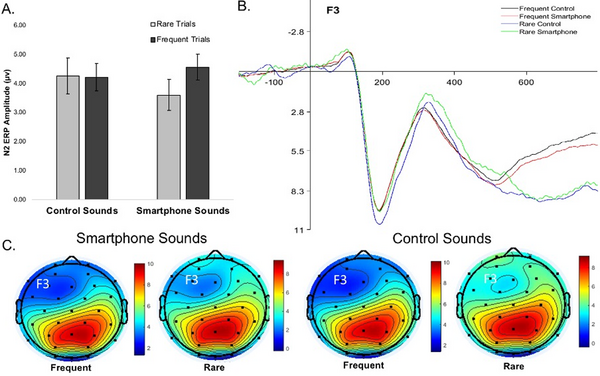
Every December I end up doing the same embarrassing audit: I open my subscriptions page and realize I have been donating money to companies I forgot existed at the cost of my brainspace. It usually happens after a long travel stretch when jet lag has turned my brain into soup and I find myself reaching for the same two dopamine apps on autopilot (ten times a day) while telling myself it is just for five minutes. It is never five minutes but it is forty and then your day feels mysteriously short, your patience gets thinner, and you start treating real work like an interruption. That is the first-order effect. The second-order effect is worse: your baseline attention becomes so fragmented that even when you finally sit down to focus, you cannot hold a thought long enough to finish it. So I have started treating my phone like a seasonal closet. If I have not used something in 4-5 months, I delete it just straight up delete it and it has made all the difference. Then I run a simple rule set that I have seen the best operators around me adopt and it is as simple as: a) Understanding that tools are experiments. If a habit did not form we should just fail fast and try a different tool. b) Habits take like 30 days for most people. For someone with ADHD like me, I have to be honest and say that it can take closer to six months. c) Acknolwedge that blockers beat willpower. Pomodoro beats motivation, if I may. The funny part about all this is that this is not self-help but is merely basic hygiene and health for anyone whose job is thinking. The more notifs in a day = the slower your brain works, pic below.

@AlanSteinJr ·
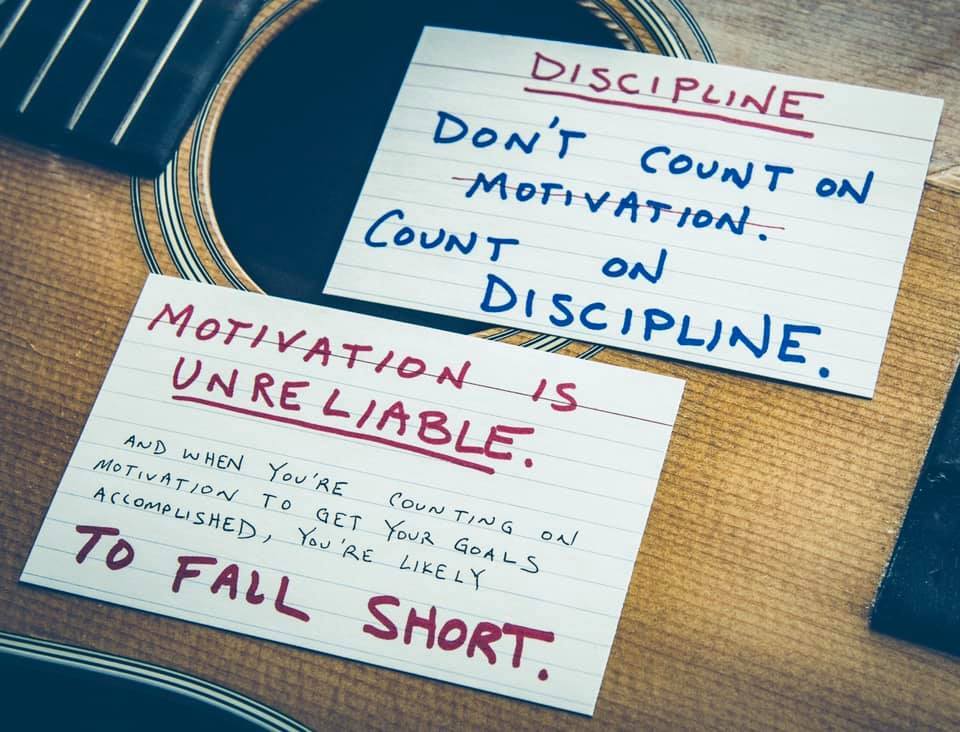
Too many people confuse motivation with discipline. Motivation is a FEELING. Discipline is a DECISION. We don’t control our feelings, but we do control our decisions. I am not always motivated. I don’t always ‘want to.’ I don’t always ‘feel like it.’ But if it’s important… if it’s something I value… if it’s aligned with my values/beliefs… THEN I DO IT REGARDLESS OF HOW I FEEL. That is discipline. Discipline is making a decision in the moment that most aligns with the person you strive to become or the goal you are aiming to achieve. Motivation is nice to have… but it’s not a requirement. It’s supplemental. It’s a bonus. It’s extra fuel to pour on the fire. When people hear I wake up early to exercise, they’ll often say, “I wish I was that motivated.” Trust me, I’m not always motivated to work out. But I do it anyway because it’s important to me, it’s something I value, and taking care of my mind/body is one of my strongest values/beliefs. The other problem with relying on motivation is that it’s fleeting. It comes and goes based on your mood, energy, environment, or circumstances. And funny enough, motivation is nowhere to be found when you’re feeling down, in a low mood, or simply exhausted… Which is when you NEED motivation the most!! But discipline is different. Discipline is dependable. You can still make disciplined decisions when you’re feeling down, in a low mood, or exhausted (granted, it’s often harder during those times… but still a viable option if you’ve conditioned yourself!). Discipline is waking up early to get a jump on your day. Discipline is preparing relentlessly during the Unseen Hours. Discipline is staying committed after the excitement fades. Discipline is sacrificing short-term comfort for long-term growth. Discipline is the key to freedom, fulfillment, and success. The highest performers I know don’t rely on feeling inspired every day. They rely on the discipline to create systems, standards, habits, and consistency. Because success isn’t built on occasional motivation. It’s built on daily discipline. If you want to be happier, more successful, and more consistent — stop waiting to “feel motivated.” Start strengthening your discipline.
@AlanSteinJr ·
Discipline Beats Motivation: Every. Single. Time. Let’s talk straight. Motivation is a spark. Discipline is the fire. Look—I love motivation. I’ve built a career helping elite athletes and high performers tap into what drives them. But here's the hard truth: motivation is fleeting. It’s unreliable. It’s that voice in your head when things are exciting, when the energy is high, when the goal feels shiny and new. But what happens on the days when you don’t feel like showing up? That's where discipline steps in. Discipline is doing what needs to be done… especially when you don’t feel like doing it. Every champion I’ve worked with—from NBA superstars to corporate leaders—shares one common trait: they don’t rely on how they feel to dictate what they do. They rely on the habits they’ve built. They trust the process. And they honor the work, day in and day out, no matter what. Motivation is Emotion. Discipline is Identity. Motivation is emotional. It’s tied to your mood, your environment, your energy levels. But those things change constantly. Discipline? It’s who you are. It’s a commitment to a standard, not a feeling. When you build discipline, you no longer ask yourself, “Do I feel like doing this today?” The question becomes, “What does the best version of me do in this moment?” And then you do that. Period. Winning Happens in the Boring Stuff We all want the highlight reel. The big wins. The applause. But the truth? Wins are earned in the early mornings, the late nights, the lonely reps. They’re earned when nobody’s watching. Discipline is about embracing the monotony of consistency. That’s what separates the good from the great. Kobe Bryant didn’t become Kobe because he was more motivated than everyone else. He became Kobe because he was more disciplined. He showed up early. Stayed late. Obsessively mastered the fundamentals. He built his greatness on the back of unshakable habits—not short-term hype. Your Habits Build Your Future If you want to raise your performance, raise your standards. If you want to raise your standards, raise your habits. Discipline is how you create habits that move you closer to your goals, even on the days motivation has left the building. It's how you earn consistency. And consistency is the ultimate competitive advantage. So the next time motivation fades (and trust me, it will), don’t panic. Lean on your discipline. Because motivation might start the race—but discipline finishes it. Discipline isn’t a punishment. It’s a gift. It’s the promise you keep to yourself. Show up. Do the work. Honor the process. That’s how greatness is built.


@aisarcore ·
A lot of people feel like quitting when things stop working A goal, a project or something they once believed in Before you walk away try this: Write down the standards you know you should be living by The habits you keep skipping and discipline you keep postponing Then spend the next 90 days actually following them No changing the rules No restarting every week Just consistency and don’t judge the results too quickly Sometimes the real problem isn’t the path It’s that we never stay consistent long enough to see where it leads.

@BenjaminYeezus ·
Hobbybuilding is BORING! There is said it. I keep hearing it’s hard or it’s easy. It’s neither. It’s just relentlessly monotonous. Day after day. Week after week. The same lifts, the same meal structure, the same discipline. Some people thrive in that repetition. Others? One outside stressor hits and it’s game over. This year I’ve watched clients go through major surgery, some pretty serious stuff and not miss a literal beat. They didn’t go full send in the gym, obviously. They worked with their doctors, we adjusted loads, volume, and intensity. But everything else? Locked in things like nutrition dialled in, steps and cardio adjusted. Sleep protected. As soon as they got the green light, they were back in the gym building capacity again. You can’t buy that. It’s not genetics either. That’s mindset. There are two types of people. Those who treat a minor hiccup like a fly hitting the Titanic… annoying but the ship keeps sailing. The other acts like that same fly just shredded the engines on their plane… total panic, crash landing, done. The difference isn’t talent or starting point. It’s how they view the process. Hobbybuilding Is Simple. Consistency Is Brutal. It is repetitive by design you have progressive overload, eat enough protein, sleep, train, repeat. There’s no secret hack nor shiny new program every month that actually matters. What matters is showing up on the days you don’t feel like it and when life gets heavy - because it will. This is when progress feels invisible. When you’re flat in a cut and the mirror is lying to you it’s where most people quit. The ones who build impressive physiques don’t have unlimited motivation. They have unbreakable consistency habits and understand that the compound effect of small, repetitive actions beats sporadic heroic efforts every single time. Anyone can train hard for 6–8 weeks. The real flex is training for 6–8 years while life keeps throwing punches. Surgery. Job stress. Kids. Travel. Injuries. Boredom. Flat phases. Plateaus. The winners control what they can and keep moving forward anyway. So if you’re feeling the monotony right now good. *applause* That means you’re in the game long enough for it to matter. Learn to embrace the boring and fall in love with the repetition. Build the mindset that treats obstacles like temporary redirects, go round the long way, it’s not a dead end. Hobbybuilding isn’t exciting every day. But the results? They never get old. Who else is in the trenches right now, stacking boring days and watching them turn into something extraordinary? Truth.
@tomferry ·
Want better results? Stop trying to change everything at once. The biggest mistake people make when setting goals is piling on too many new habits at the same time. Wake up earlier. Prospect more. Work out daily. Read 10 pages. Post more content. Sounds great. The problem? Your focus gets divided. The fastest path to growth isn't adding five new habits. It's mastering one. What's the ONE habit that would create the biggest impact in your business over the next 60 days? Maybe it's making your calls. Maybe it's following up faster. Maybe it's blocking time for lead generation every day. Pick one. Commit to it. Make it part of who you are. Then move on to the next. Small wins stack. Consistency compounds. And a year from now, you'll be amazed at how far you've come.
 Watch video

@alvinfoo ·
Most people overcomplicate life. Marcus Aurelius didn’t. He reduced it to a few timeless rules: • Build habits — because discipline beats motivation • Do only what’s essential — everything else is noise • Review your day — progress comes from reflection • Remember death — clarity comes from urgency • Accept that all things pass — both success and failure • Plan for failure — resilience is strategy • Live simply — complexity creates stress • Zoom out — most problems aren’t as big as they feel • Learn from the wise — you don’t need to reinvent truth • Stay present — life is happening now, not later This isn’t philosophy. It’s a practical operating system for life. In a world addicted to more, faster, louder, Stoicism wins by being quieter, sharper, and focused. The question isn’t whether these rules work. It’s whether you have the discipline to actually live them.


@itsdangoldfield ·
As long as you try to develop virtuous qualities—like discipline, focus, clarity—you're performing self-improvement on a self that doesn't truly exist. Instead, investigate the nature of the mental/emotional processes that hinder you. This is how they're dissolved. Once those are dissolved, virtuous qualities are revealed as your nature.

@mbajoshuac ·
When you’re addicted to doing the right things that move your life forward… People call it focus. But let’s be honest about what it really is. It’s addiction directed at the right targets. Most people are addicted to things that slow them down: • dopamine • distraction • comfort • endless entertainment But the rare few flip the script. They become addicted to: • growth • discipline • progress • execution They don’t need motivation. Because their habits pull them forward. When someone says, “He’s extremely focused.” What they’re really saying is: He’s addicted to the right things. And that kind of addiction is one of the most powerful advantages a person can build. Because once progress becomes your addiction… discipline stops feeling like effort.

@ted_ryce ·
Here's the truth about why healthy habits feel hard at first. And most guys make it mean something personal. They say... “I’m lazy.” “I’m not disciplined.” “I don't have time for this.” Usually, none of that is true. What’s true is that whenever you try to create a new habit, your brain creates resistance. And that beginning phase is uncomfortable. When a behavior is unfamiliar, effortful and doesn’t pay off immediately, your brain resists it. You feel that resistance as overthinking, anxiety, procrastination, negotiation and “I’ll do it later.” Effort-related neuroscience suggests the brain is highly sensitive to the cost of creating new behaviors. That’s why the beginning matters so much. If you make the plan too big, your brain reads it like a threat. Now you’re not just trying to work out. You’re trying to become a different person overnight. That rarely works. Or it only works during times when motivation is ultra-high. Think New Year’s resolutions, your 50th birthday or a class reunion that you wanna look great for. But you’ll still give up when the motivation wears off if you don’t do this properly. What works is building momentum at the edge of your current capacity. Enough challenge to create progress but not so much challenge that you keep failing or feel like it's taking too much of your time. That’s the sweet spot. I use this with clients all the time. A guy says he wants to train 5 days a week for an hour. Sounds impressive. Then I ask him: “How confident are you that you can actually do that consistently?” He says, “Maybe a 6.” That’s a no. So we reduce the friction. Three days a week for thirty minutes. Maybe at home. In fact, I have a client right now who's only working out for 15 minutes a day. And he's lost 11 lbs since starting at the end of January. Could we have started more aggressively and lost more weight? Yeah sure. But now he's asking for more challenge. We started small but by the time we're done, he'll be a new man. Whatever to reduce the barrier of getting it done. Because the unsexy truth is that consistency is what you need to optimize for at first. Convenient routines are easier to stick with. And consistency leads to more confidence, better results and real behavioral change. So the real discipline play isn't: "How hard can I go?" It’s: "What can I repeat enough times that it starts to become part of who I am?" That’s why some people look disciplined from the outside. You see the consistency. But you don’t see that the behavior has become normal for them. That’s why trying to copy someone else’s routine is a mistake. You’re copying automation without earning it. Discipline is not an on-off switch. It’s a ladder you need to climb. And most guys keep failing because they’re trying to jump to the top instead of going one rung at a time. So if that's you, your plan should follow this simple 3-step formula: 1. Start where you can win. 2. Repeat it until it feels boring. 3. Then make it a little harder. That’s how you stop being the guy who keeps starting over.

@JamesCPeters ·
I used to think behavior created outcomes. But identity changed everything. I watched this play out in my own life. Recruiting. Ultra running. Grief. Recovery. Every breakthrough came from one shift. Not from what I did. From who I became. Most people try to fix their life by fixing their behavior. Learn a new skill. Build a new habit. Stack another course. But nothing sticks. Because the identity behind the behavior never changed. I saw this during my Series A years. Founders and recruiters drowning in pressure. Brilliant on paper. Stalled in reality. Not because they lacked information. Because they were still operating from an outdated version of themselves. Here is the truth that stings. You already know enough to hit your goals. If you sat alone on a desert island, you would still know what to do. So why is nothing shifting? Because behavior follows identity. Not the other way around. Tiger Woods knew this. His father programmed him to see himself as the greatest golfer of all time. Not a good golfer. Not a PGA Tour winner. The greatest. Once that identity locked in, behavior became automatic. Extra practice was not discipline. It was alignment. His actions matched who he believed he was. Identity creates inevitability. Look at the smoker who is “trying to quit”. Identity says, I am a smoker. Behavior says, I am trying not to smoke. Identity wins. Every time. Look at the non smoker. Identity says, I do not smoke. How much effort is required to reject a cigarette? Zero. Because the behavior aligns with the identity. Same with the gym. If you see yourself as an athlete, training is natural. If you see yourself as someone who “should go to the gym”, it becomes a battle. Same gym. Different identity. This is why behavior change fails. You do not rise to the level of your habits. You fall to the level of who you believe you are. Here is the shift that changed my life. Stop asking, what do I need to do. Start asking, who do I need to be. Identity first. Behavior second. Outcome third. When you change who you are, the rest becomes obvious. And the effort finally feels effortless.

Best Tweets by Topic