Mistral model releases and evaluations
Analysis of Mistral Small, Large, Medium, Ministral, Mixtral, and specialized models, including reasoning, multimodality, coding, agentic-task, reliability, and efficiency benchmarks.
36.6%
Best tweets about Mistral AI
Find the best tweets about Mistral AI, including model releases, Le Chat, Codestral, open models, benchmarks, and developer workflows. Updated weekly.
Specific Mistral model and product analysis, benchmarks, deployment experience, and developer examples.
Original Xholic analysis
Audio and model-release discussion each represent 36.6% of posts, while Voxtral-related posts generated the strongest engagement. Discussion also covers open-weight deployment, coding workflows, and Mistral Small 4 evaluations, with some claims about competitive standing and French-language fit remaining contested.
78% of posts
All-time engagement
68.3% of posts
Published in 90 days
Conversation map
Analysis of Mistral Small, Large, Medium, Ministral, Mixtral, and specialized models, including reasoning, multimodality, coding, agentic-task, reliability, and efficiency benchmarks.
36.6%
Voxtral TTS, transcription, and realtime speech models: voice cloning, multilingual support, diarization, latency, audio quality, and comparisons with ElevenLabs.
36.6%
Apache/open-weight releases, local and edge inference, quantization, fine-tuning, self-hosting, and privacy or compliance benefits versus proprietary APIs.
34.1%
Mistral API availability, third-party platform integrations, vLLM/MLX serving, OpenAI-compatible endpoints, model routing, and practical application deployments.
26.8%
Mistral’s European data-center buildout, compute and energy constraints, Azure/NVIDIA partnerships, regulated deployments, and AI autonomy geopolitics.
19.5%
Mistral Vibe, Devstral, Leanstral, terminal-native coding, formal verification, subagents, IDE integrations, and developer-built applications.
17.1%
Hackathon demos, downstream Mistral fine-tunes, meeting intelligence, AR coding, robotics, and other applications built on Mistral models.
14.6%
Training or adapting Mistral models on organizational knowledge, beyond conventional RAG and fine-tuning, with emphasis on ownership and domain specialization.
7.3%
Tone and stance
Performance benchmark
Posts with media make up 78% of this collection. Their median all-time score is 44.0, compared with 14.7 for text-only posts.
Format mix
Consensus and debate
Shared view
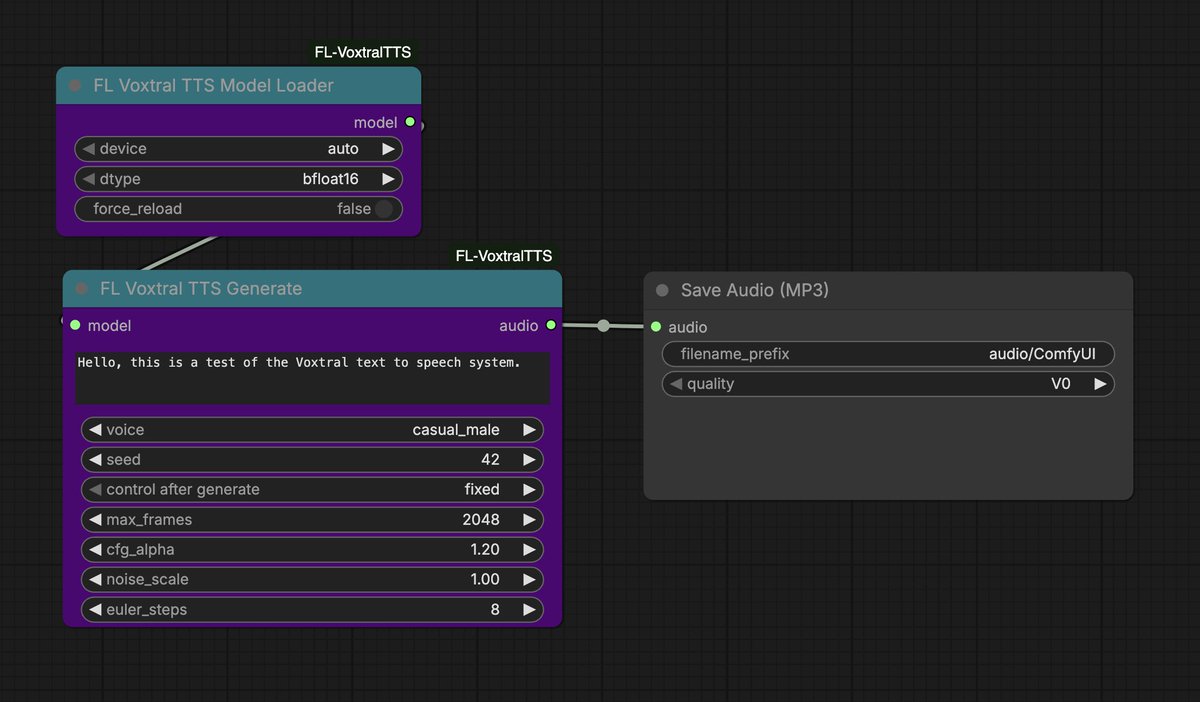
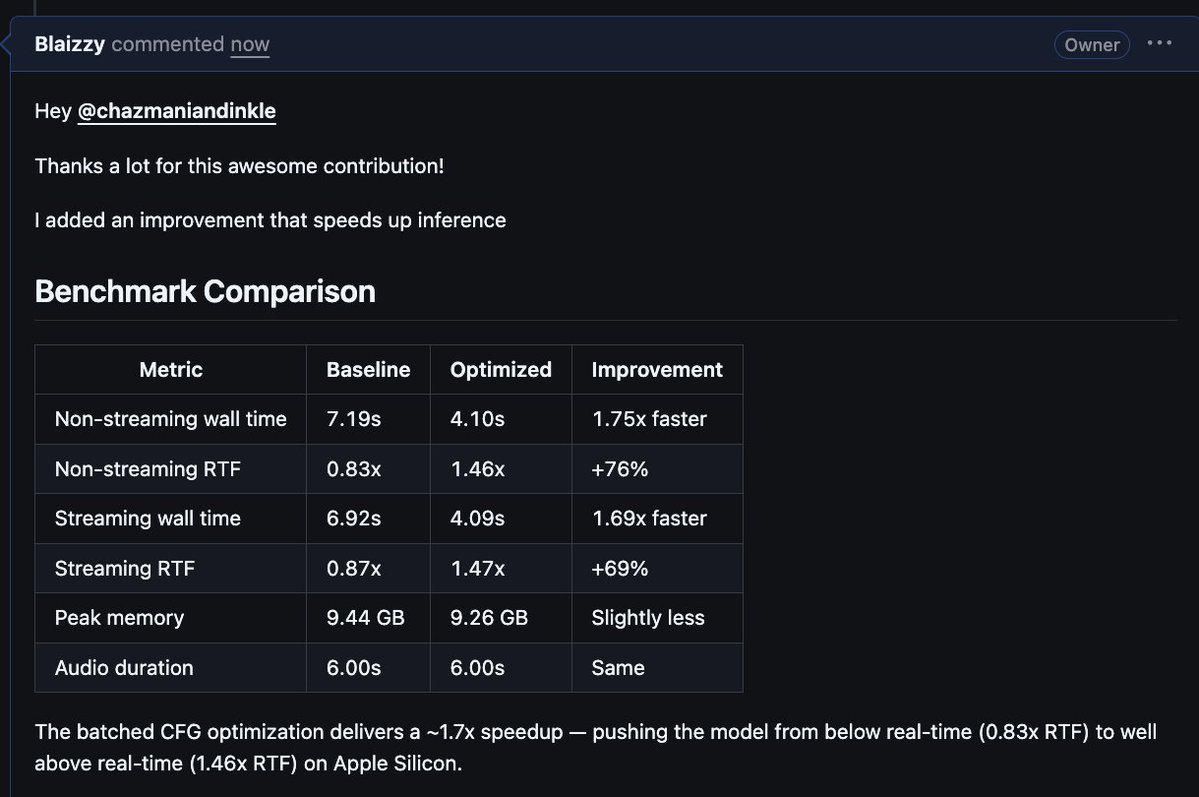
Audio posts cover Voxtral TTS, transcription, and realtime capabilities, including local operation, voice cloning, diarization, streaming, and integration examples.
Shared view
Posts describe open weights, local execution, self-hosting, and API or platform integrations as different routes for deploying Mistral-related models. Several frame self-hosting as relevant where privacy or cost matters.
Shared view
Posts present Mistral Vibe as a terminal-based coding agent and show related examples involving custom subagents, IDE connections, mobile control, and an AR coding demo.
Open debate
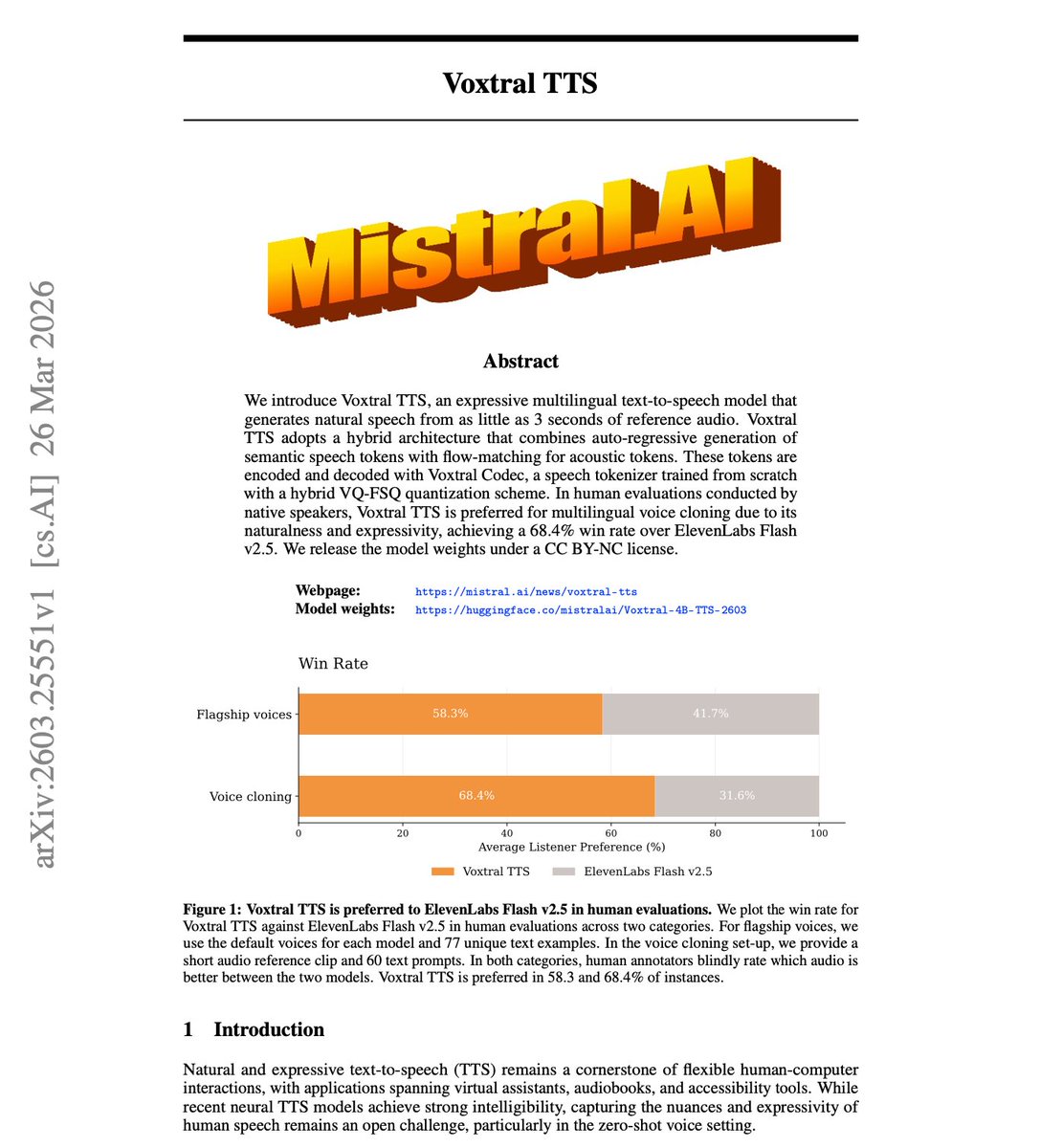
Posts cite human-preference results against ElevenLabs Flash v2.5, while one post explicitly notes that the 68.4% head-to-head was not against ElevenLabs v3. Claims of a decisive competitive outcome go beyond that stated comparison.
Open debate
One evaluation reports that Small 4 improved on Small 3.2 and came close to Mistral Large 3 on the cited agentic measure, while trailing named open-weight peers on the cited intelligence and agentic measures.
Open debate
One post argues that Mistral is not optimized as the best French-language model, while a French meeting-intelligence project describes a Mistral-based stack as a desired domestic approach.
What performs
The three highest listed score outliers are Voxtral-related posts: 2037930340975538184 scored 5833.26, 2019068826097213953 scored 821.06, and 2037149838023024753 scored 564.38.
Media appeared in 32 posts (78%) and had a 44.02 median all-time score, compared with 14.662 for text. Tutorials had a 53.03 median, above the 39.77 median for announcements.
The leading Voxtral posts include specifications or benchmark framing such as RAM requirements, time-to-first-audio or latency, language coverage, and preference-test results. The dataset shows these details in the high-scoring posts but does not establish that they caused performance.
Statistical standouts
Creator landscape
The five most represented creators account for 24.4% of the selected posts.
1. Chubby♨️
@kimmonismus
2 posts
2. Mistral AI for Developers
@MistralDevs
2 posts
3. Mistral Vibe
@mistralvibe
2 posts
4. Shawn Chauhan
@shawnchauhan1
2 posts
5. Sumanth
@Sumanth_077
2 posts
6. George Pu
@TheGeorgePu
2 posts
George Pu's Voxtral post is the dataset's largest listed score outlier. kimmonismus's evidence includes a detailed Voxtral TTS breakdown and a separate sovereignty-focused opinion, illustrating coverage across product analysis and infrastructure commentary.
MistralDevs' cited posts cover vLLM realtime and streaming support for Voxtral 4B Realtime and an AR coding demo using Mistral Vibe, Voxtral, and Devstral 2.
The cited Mistral Vibe posts announce Vibe 2.0 availability and show a hackathon-built mobile app for controlling Vibe agents.
Since the previous snapshot
Themes, sentiment, stance, and post format are classified per tweet. All counts, shares, medians, creator concentration, freshness, and performance comparisons are then calculated directly from the published snapshot.
Xholic's all-time score compares engagement while accounting for reach, post age, and creator consistency. It is used for relative comparisons within this collection.
This report analyzes the exact 41-post snapshot shown below. AI identifies editorial categories and drafts explanations; all statistics are calculated from the snapshot, and every narrative claim is checked against cited posts before publication.
Best Mistral AI tweets
Ranked 01–41

@MistralAI ·
Introducing Voxtral Transcribe 2, next-gen speech-to-text models by @MistralAI. State-of-the-art transcription, speaker diarization, sub-200ms real-time latency. Details in 🧵
 Watch video

@kimmonismus ·
Mistral AI released Voxtral TTS, a 3-billion-parameter text-to-speech model with open weights that the company says outperformed ElevenLabs Flash v2.5 in human preference tests roughly 63% of the time on standard voices and nearly 70% on voice customization. The model runs on about 3 GB of RAM, achieves 90-millisecond time-to-first-audio, supports nine languages, and can clone a voice from just five seconds of reference audio, including cross-lingual adaptation that preserves the speaker's accent.


@mistralvibe ·
Mistral Vibe 2.0 is now available on Le Chat Pro and Team plans. Build, maintain, and ship code faster with the terminal-native coding agent by @MistralAI. Here’s what’s new 🧵
 Watch video

@heyrimsha ·
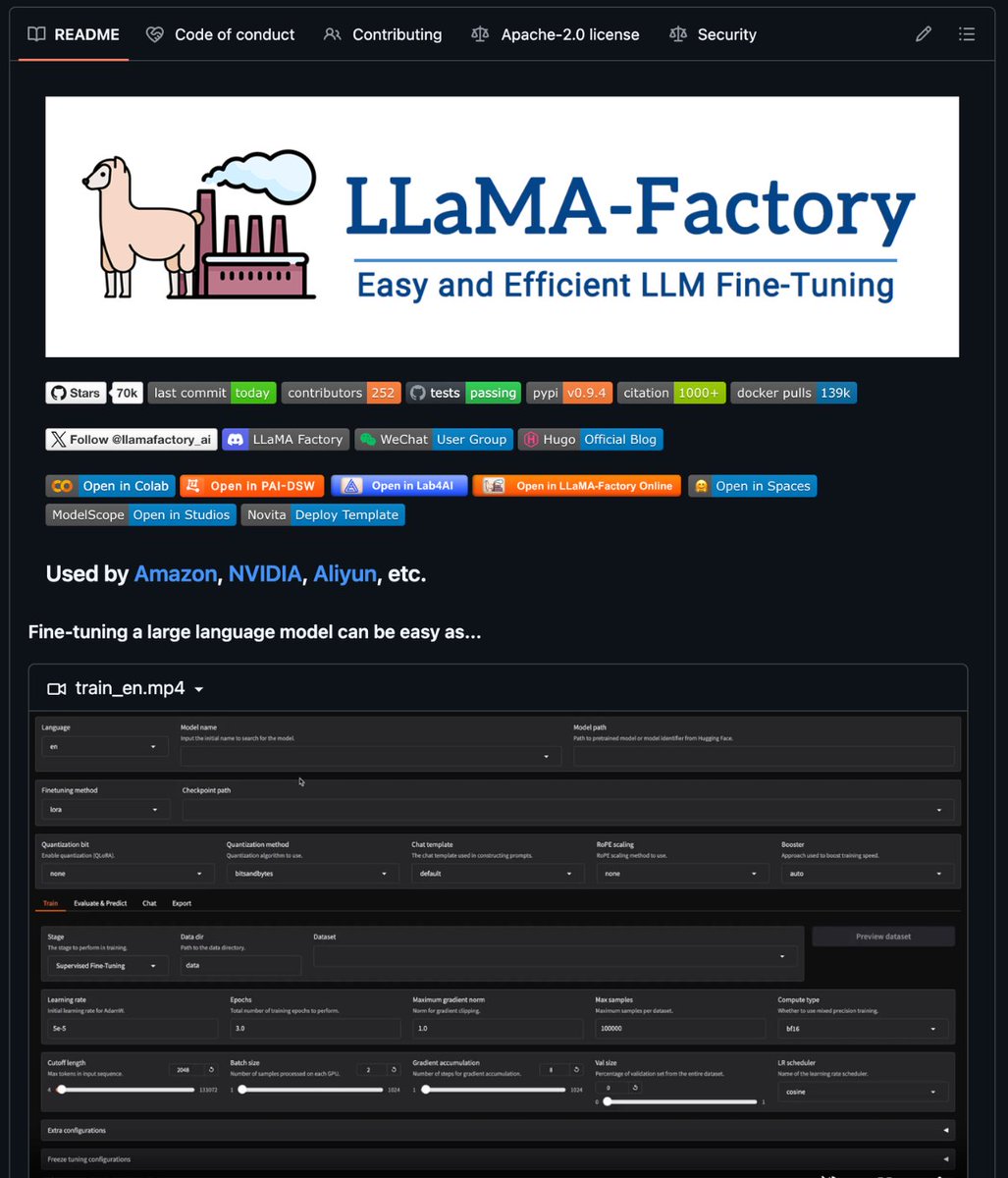
RIP expensive fine-tuning pipelines. This open source framework lets you fine-tune 100+ LLMs including LLaMA, DeepSeek, Qwen, and Mistral on a single consumer GPU using LoRA or QLoRA with a web UI that requires zero training code to operate. It's called LlamaFactory and it supports every major training method, SFT, DPO, PPO, RLHF, ORPO, and KTO, all configurable through LlamaBoard without writing a single line of Python. → Quantization support covers 4-bit, 8-bit, AQLM, AWQ, GPTQ, and 12 more methods → FlashAttention-2 and Unsloth integration for faster training and lower VRAM usage → Export to Ollama and vLLM directly from the UI for instant local deployment after training 40.5K stars. 100% Opensource. Link in comments.

@_avichawla ·
An open-weight alternative to ElevenLabs! Voxtral is a TTS model by Mistral with: - just 4B params - 70ms latency for voice agents - voice cloning from 3s of audio - 9 languages + cross-lingual transfer - 68.4% win rate over ElevenLabs Flash v2.5 Open weights on Hugging Face.
 Watch video

@jeffboudier ·
What a week for open audio models! 🕺 💃 I demo: 🗣️ Voxtral 4B TTS from @MistralAI 🎙️ Transcribe 2B from @cohere 🏭 and how to run a batch transcribe job in 1 line of CLI using @vanstriendaniel uv script links below
 Watch video

@AlbertQJiang ·
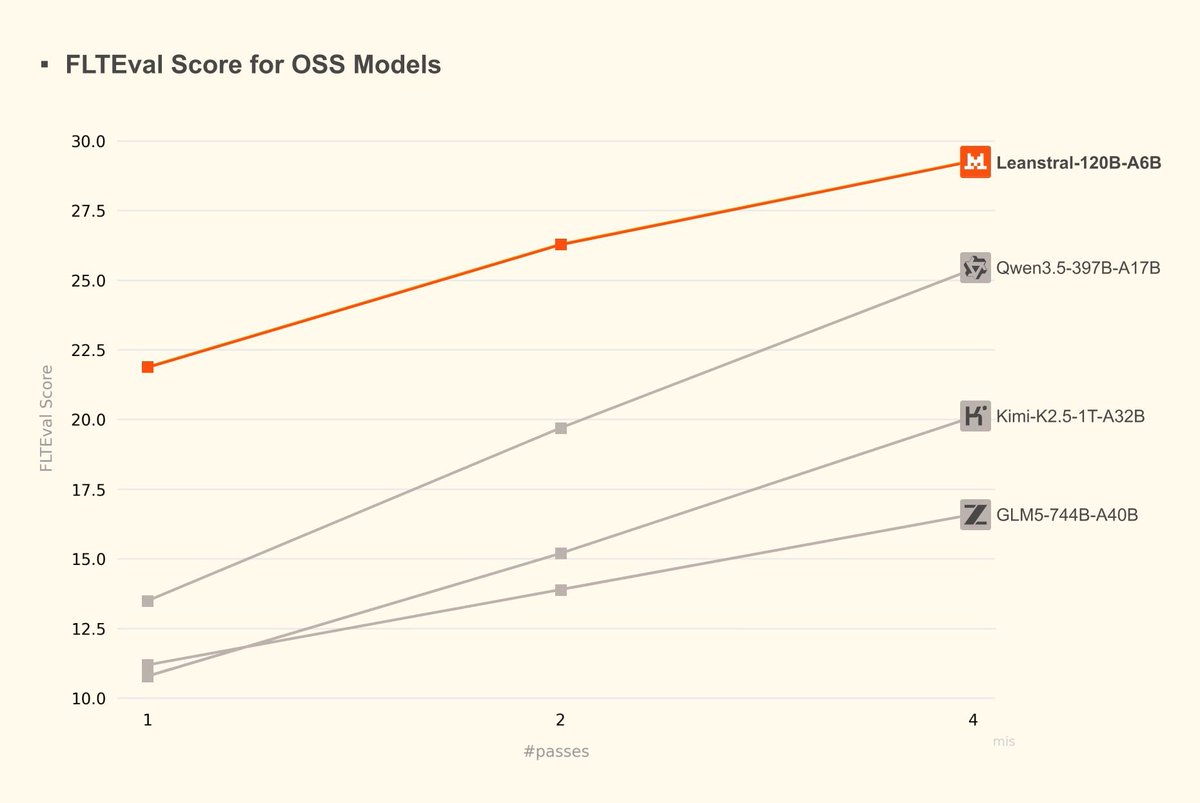
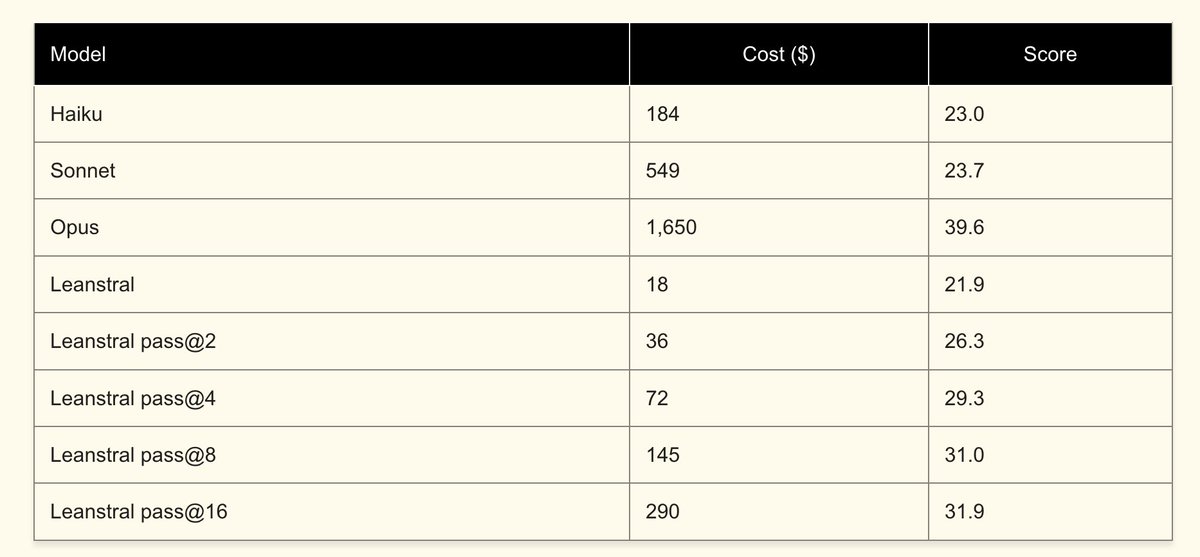
https://t.co/TMFEJO05cE Excited to share what the formal team @MistralAI has been building for the last couple of months: an Apache 2 Lean code agent with 6B active parameters. Outperforms open models like Qwen3.5, GLM5, Kimi-K2.5, and very competitive against Claude 4.6. Use for free in Mistral-Vibe: ``` $ uv tool install mistral-vibe --upgrade $ vibe / leanstall ``` enjoy the lean mode via shift+tab!

@alex_verem ·
🚨Holy shit. Mistral just killed the ElevenLabs moat. > Voxtral TTS is open-weight, > Clones any voice from 3 seconds of audio, > Runs in 9 languages, > Beats ElevenLabs Flash v2.5 with a 68.4% human preference win rate. ElevenLabs built a moat on proprietary weights and API lock-in. Mistral just put the weights on Hugging Face. The model captures not just the voice but the person. Accents, inflections, intonations, vocal fillers the "ums" and "ahs" that make a voice sound human instead of synthetic. From 3 seconds of reference audio. Zero fine-tuning. Zero shot. The numbers: → 68.4% win rate against ElevenLabs Flash v2.5 in zero-shot multilingual voice cloning → Beats ElevenLabs Flash v2.5 on every one of the 9 supported languages → Matches ElevenLabs v3 on emotional expressiveness and quality → 70ms model latency same time-to-first-audio as Flash v2.5 at higher quality → 4B parameters. Runs on 3GB RAM. Smartphone. Laptop. Edge devices. → 9 languages: English, French, German, Spanish, Dutch, Portuguese, Italian, Hindi, Arabic → Cross-lingual voice cloning French voice prompt generating English speech works out of the box The strategic bet Mistral is making: enterprises don't want to rent a voice. They want to own it. Open weights means the model ships to your infrastructure. Mistral never sees your data. For healthcare, finance, and government Mistral's core customers that's not a nice-to-have. It's a compliance requirement. ElevenLabs built a $1B+ valuation on being the only serious option for production-grade voice AI. Today that changes. The weights are on Hugging Face. The API is $0.016 per 1,000 characters. Any developer can clone a voice, run it locally, and ship a voice agent without sending a single audio byte to a third party. One honest caveat: ElevenLabs shipped v3 after this evaluation. Voxtral matches v3 on quality metrics but the 68.4% win rate was head-to-head against Flash v2.5. The race isn't over. It just got a lot more competitive. Voice AI just got its open-source moment.


@KSimback ·
🚀 Want FREE models you can plug into OpenClaw or Hermes? Here are 9 resources you can use for free access to model APIs No local setup, no credit card, just pure cloud APIs with OpenAI-compatible endpoints You can’t get free Opus quality (yet) but all of these have genuine free tiers right now (rate limits may apply) and are good enough to get started if you don’t want to spend $ to get started with agents 1️⃣ OpenRouter Free Models (Gemma 4 31B/26B, NVIDIA Nemotron 3 Super 120B MoE, MiniMax M2.5, Qwen3 variants, Llama 4/3.3, gpt-oss-120B, Arcee Trinity, etc.) • ~29 completely free $0/M token models • Insane variety + top-tier open model evals (especially coding & agents) • Best for rotating models automatically 👉 Sign up: https://t.co/lF3pCq2JQi 2️⃣ Google Gemini API (Gemini 2.5 Pro / Flash series) • Strongest overall free frontier model • Excellent multimodal, 1M+ context, native tool calling & agentic performance • Very generous free limits (often 5–15 RPM) 👉 Sign up: https://t.co/SD0lce4POW 3️⃣ NVIDIA (Nemotron variants, Llama 3.3 70B, Qwen3 235B, Mistral Large, etc.) • Optimized high-performance open models • Free prototyping tier (~40 RPM) 👉 Sign up: https://t.co/NYge234QBv 4️⃣ Grok Cloud (Llama 4 Scout, Llama 3.3 70B, Qwen3 32B, gpt-oss models, etc.) • Blazing-fast inference (hundreds of tokens/sec) • Perfect for real-time agents • Strong open-model performance with solid free tier 👉 Sign up: https://t.co/nWzQ3v2h9o 5️⃣ Cerebras Cloud (Qwen3 235B, Llama 3.3 70B, DeepSeek variants, etc.) • Massive models with excellent reasoning/coding evals • Very generous daily free limits (~30 RPM, up to 1M+ tokens/day on some) 👉 Sign up: https://t.co/R7ZVOhH02N 6️⃣ Mistral La Plateforme (Mistral Large 3, Small 3.1, Ministral 8B, etc.) • Strong in coding, multilingual & agentic tasks • Solid free tier (~1 req/s, ~1B tokens/month) 👉 Sign up: https://t.co/WgUK1oVHjL 7️⃣ Cohere (Command A, Command R+, Aya Expanse 32B, etc.) • Free tier: 20 RPM, 1K requests/month 👉 Sign up: https://t.co/u55lZewHXf 8️⃣ GitHub Models (Llama 3.3 70B, DeepSeek R1, some GPT-4o previews, etc.) • Decent mid-tier evals with easy GitHub integration • Free tier limits (10–15 RPM) 👉 Sign up: https://t.co/4zUHmjTtrA 9️⃣ Cloudflare Workers AI (Llama 3.3 70B, Qwen QwQ 32B, etc.) • Lightweight but solid for simple agents • Free tier: 10K neurons/day 👉 Sign up: https://t.co/0GME3k1AQr Pro tips for agent builders: • Most work instantly with OpenAI SDK (just change base URL + your key) • Start with OpenRouter for quality/variety (they often feature new free models) • Add Groq as speed fallback • Rotate providers when you hit caps Free intelligence for your agent is just a signup away!

@GuillaumeLample ·
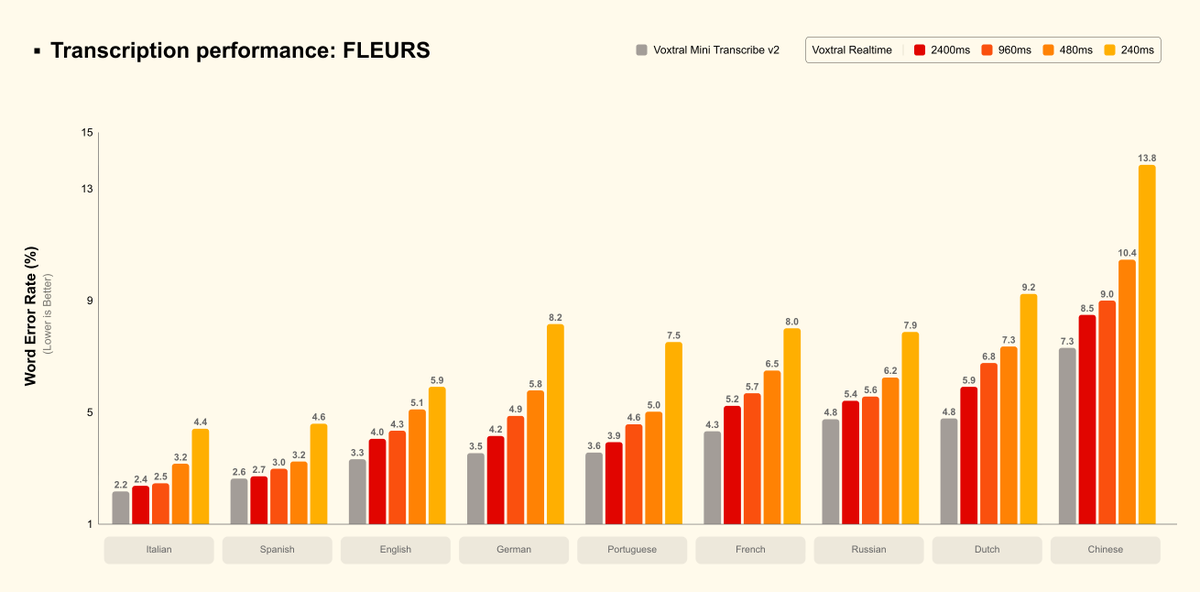
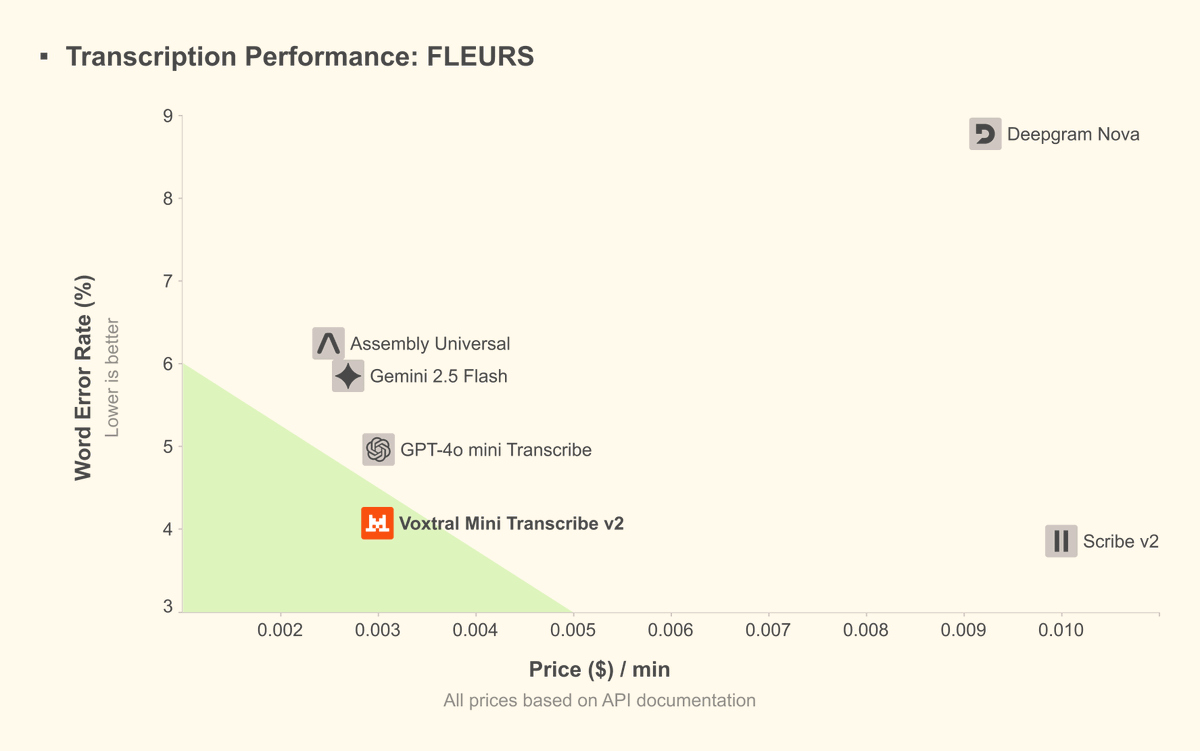
Very excited to release Voxtral 2! Voxtral 2 comes with two powerful new models: Voxtral Realtime: a SOTA real-time transcription model released under an Apache 2 license, with latency configurable to sub-200 ms Voxtral Mini Transcribe 2: a SOTA transcription model with speaker diarization, word-level timestamps, and context biasing Voxtral 2 supports 13 languages. It’s available on the Mistral API and is one of the most cost-effective transcription APIs on the market.

@ihteshamali ·
Arthur Mensch confirmed on CNBC this week that OpenAI and Anthropic are calling Mistral asking for compute. The two companies racing to build the most powerful AI in the world are dependent on a European competitor they have been trying to outrun. Let that land for a second. The narrative you have been sold is that the US is running away with AI. That OpenAI and Anthropic have such a commanding lead that the rest of the world is playing catch-up. That narrative is missing something physical. The International Energy Agency projected this year that US data center electricity demand will double by 2030. The US grid is already at capacity. Europe has the power. Europe has the land. And right now the company fielding calls from the most funded AI labs on earth is a four-year-old French startup. Mensch said Mistral is prioritizing its own customers first. The surge in agentic usage is generating far more tokens than anyone planned for and existing capacity is spoken for. The US labs are in the queue. But they are in the queue. Most people following AI are watching benchmark scores and funding rounds. The actual constraint right now is electricity and physical space. And on that dimension, the scoreboard looks nothing like the one most people are reading. Watch the full podcast on YouTube at @CNBCi
 Watch video

@SebJohnsonUK ·
BREAKING: Mistral AI has raised a WHOPPING $830m in debt to build Nvidia-powered AI centres! The first facility is being built near Paris and will start operations before the end of June. It will house 13,800 of Nvidia’s top-end GB300 AI chips. Arthur Mensch, co-founder and CEO, said: "Scaling our infrastructure in Europe is critical to empower our customers and to ensure AI innovation and autonomy remain at the heart of Europe,” The company 20x’ed revenue in the last year, surpassed $400m of ARR and is on track to surpass $1bn this year. It has benefitted massively from Europe's push to sovereignty and also plans to invest €1.2bn to build out new AI data centres in Sweden. The financing has come from a bunch of banks, including Bpifrance, BNP Paribas, HSBC and MUFG. Europe is BUILDING - LETS GO.

@kimmonismus ·
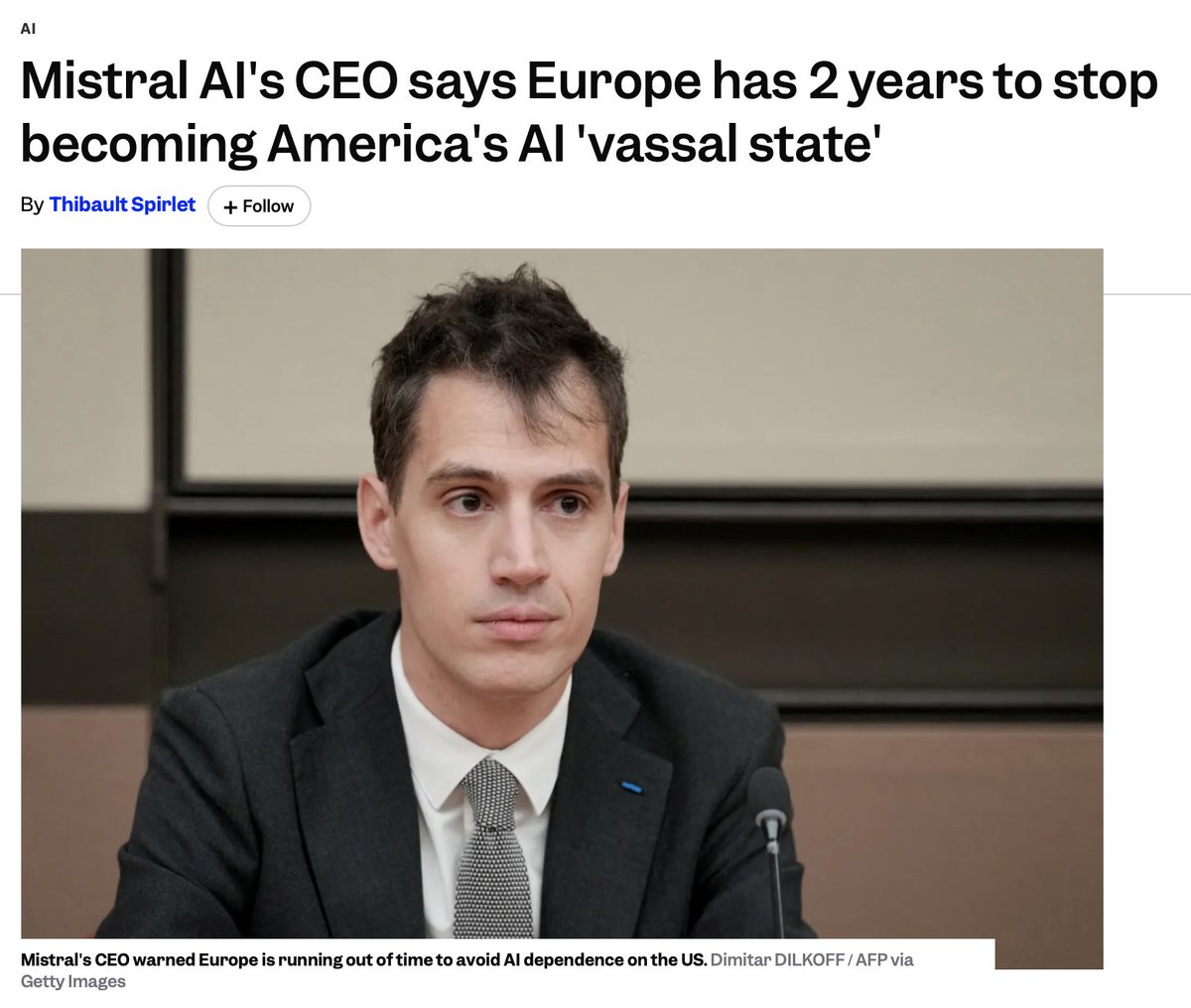
Mistral AI's CEO says Europe has 2 years to stop becoming America's AI 'vassal state' Well, how about Europe finally starting to invest massively in data centers and energy policy instead of just constantly complaining? Europe, and Germany in particular, has some of the highest energy prices worldwide and has deliberately relied on volatile energy sources. Similarly, there is no discernible policy promoting the expansion of data centers that even remotely aim to compete with the US and China.

@TheTuringPost ·
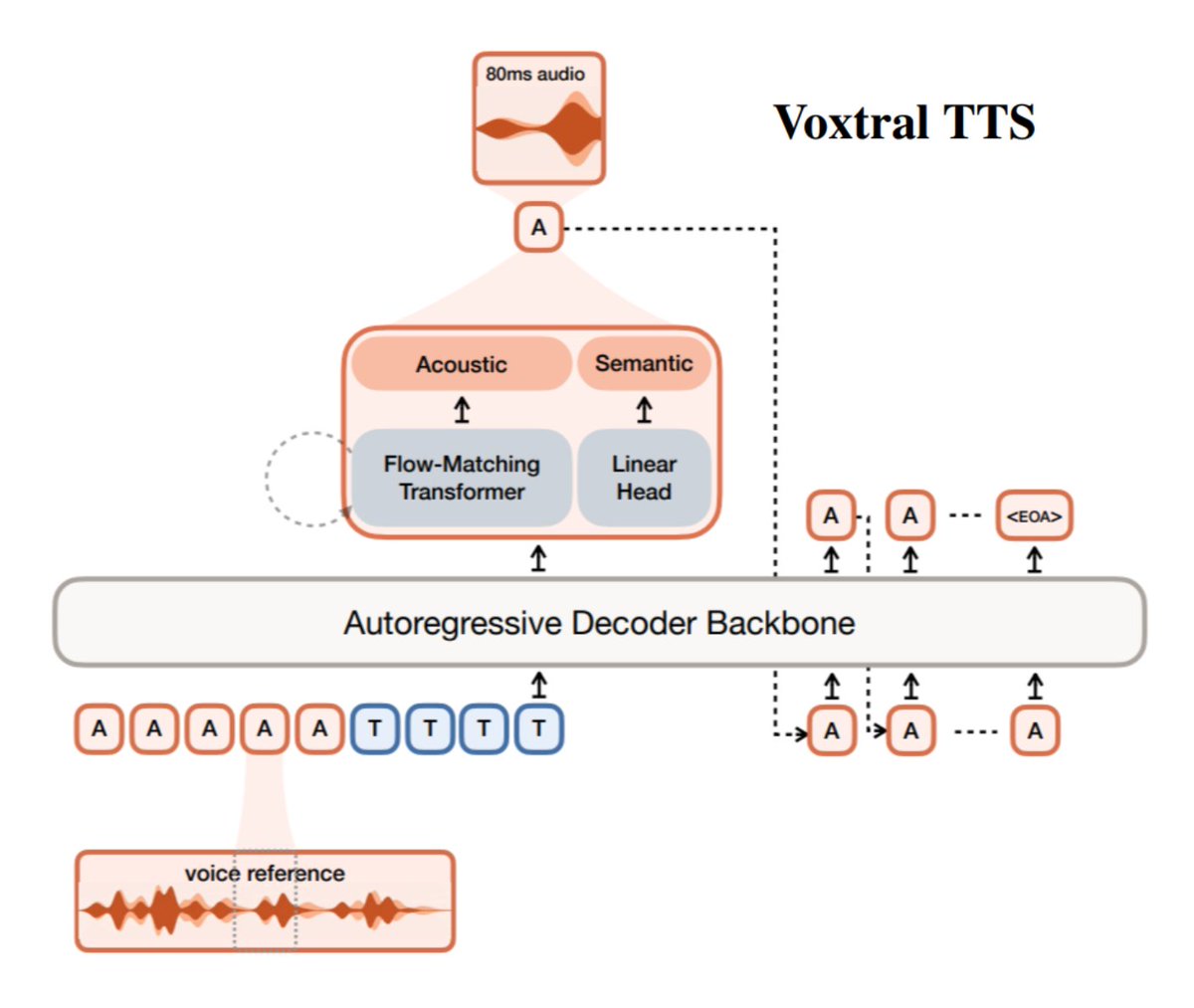
.@MistralAI's new Voxtral TTS generates expressive, multilingual speech from just ~3 seconds of reference audio It solves one of the hardest problems in speech, separating what you say from how you sound ➡️ Voxtral factorizes speech into two parts: • semantic tokens → the content (words) • acoustic tokens → the voice (tone, prosody, style) and uses different models for different problems + Voxtral Codec that compresses speech into ultra-low bitrate tokens This gives: - High-quality voice cloning that works best with ~3–25 second - support for 9 languages - 68.4% win rate vs ElevenLabs Flash v2.5 in voice cloning Here's how it works:

@Sumanth_077 ·
Clone any voice with just a 3-second audio clip! Mistral just open sourced Voxtral TTS, a text-to-speech model that clones voices from 3 seconds of audio and runs on edge devices. Here's what makes it different. Most TTS models need cloud GPUs and long audio samples. Voxtral runs locally on your phone or laptop and generates voice clones from 3 seconds. The model is 4B parameters. Small enough to fit on a smartphone but accurate enough to capture accents, inflections, intonations, and even vocal fillers like "ums" and "ahs" from the reference voice. It beat ElevenLabs Flash v2.5 in human preference tests with a 68.4% win rate. Key features: • 9 languages supported: English, French, German, Spanish, Dutch, Portuguese, Italian, Hindi, and Arabic • Zero-shot cross-lingual voice adaptation: Feed it a French voice sample and English text, get English speech with a French accent • Real-time performance: 90ms time-to-first-audio, renders 10-second clips in 1.6 seconds • Built for live voice agents and real-time applications Voxtral TTS is part of Mistral's full audio stack alongside their transcription and real-time STT models. Link to the model weights and research paper in the comments!

@mistralvibe ·
Here's another💎 from our recent hackathon in Tokyo. Adam Lensenmayer and Leonard Lin built "Vibecheck", a mobile app that lets you control your Mistral Vibe agents from your phone. Includes tool call approval, talking to your agent, and notifications when it needs you.
 Watch video

@AbdelStark ·
I just shipped "parler" (French: *to speak*): Multilingual voice intelligence built on Mistral Voxtral model, generating decision logs from French/English meetings. Cocorico a bit 🇫🇷, but unironically: this is the kind of French AI stack I want to see being built, deployed on the industrial level, and win more. Sovereign AI is such an important matter, not only for us all as individuals, but also strategically for Nation States, it will become more and more a major geopolitical issue. Need more counter balance to the US frontier labs. We cannot let intelligence and knowledge be controlled by a handful of players, especially not concentrated in few countries. It leverages 2 pure French models from @MistralAI: - voxtral-small-latest for multilingual speech-to-text with timestamps - mistral-medium-latest for structured JSON extraction of decisions, commitments, open questions, and rejected options https://t.co/EVYMULKrmB
 Watch video

@ArtificialAnlys ·
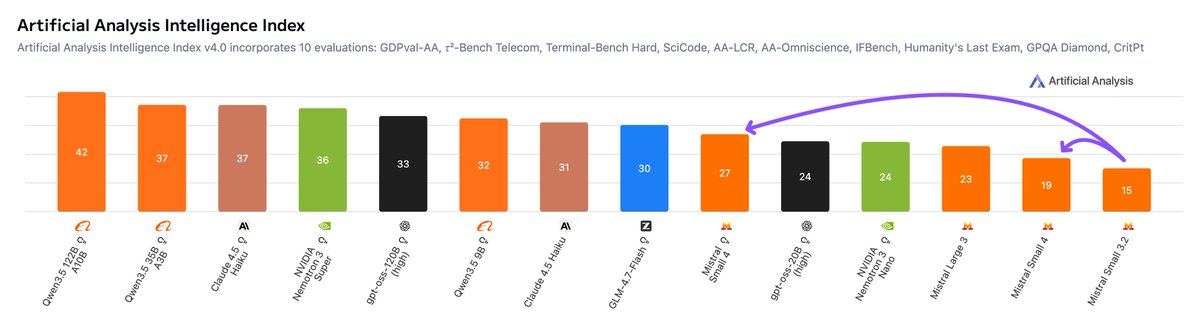
Mistral has released Mistral Small 4, an open weights model with hybrid reasoning and image input, scoring 27 on the Artificial Analysis Intelligence Index @MistralAI's Small 4 is a 119B mixture-of-experts model with 6.5B active parameters per token, supporting both reasoning and non-reasoning modes. In reasoning mode, Mistral Small 4 scores 27 on the Artificial Analysis Intelligence Index, a 12-point improvement from Small 3.2 (15) and now among the most intelligent models Mistral has released, surpassing Mistral Large 3 (23) and matching the proprietary Magistral Medium 1.2 (27). However, it lags open weights peers with similar total parameter counts such as gpt-oss-120B (high, 33), NVIDIA Nemotron 3 Super 120B A12B (Reasoning, 36), and Qwen3.5 122B A10B (Reasoning, 42). Key takeaways: ➤ Reasoning and non-reasoning modes in a single model: Mistral Small 4 supports configurable hybrid reasoning with reasoning and non-reasoning modes, rather than the separate reasoning variants Mistral has released previously with their Magistral models. In reasoning mode, the model scores 27 on the Artificial Analysis Intelligence Index. In non-reasoning mode, the model scores 19, a 4-point improvement from its predecessor Mistral Small 3.2 (15) ➤ More token efficient than peers of similar size: At ~52M output tokens, Mistral Small 4 (Reasoning) uses fewer tokens to run the Artificial Analysis Intelligence Index compared to reasoning models such as gpt-oss-120B (high, ~78M), NVIDIA Nemotron 3 Super 120B A12B (Reasoning, ~110M), and Qwen3.5 122B A10B (Reasoning, ~91M). In non-reasoning mode, the model uses ~4M output tokens ➤ Native support for image input: Mistral Small 4 is a multimodal model, accepting image input as well as text. On our multimodal evaluation, MMMU-Pro, Mistral Small 4 (Reasoning) scores 57%, ahead of Mistral Large 3 (56%) but behind Qwen3.5 122B A10B (Reasoning, 75%). Neither gpt-oss-120B nor NVIDIA Nemotron 3 Super 120B A12B support image input. All models support text output only ➤ Improvement in real-world agentic tasks: Mistral Small 4 scores an Elo of 871 on GDPval-AA, our evaluation based on OpenAI's GDPval dataset that tests models on real-world tasks across 44 occupations and 9 major industries, with models producing deliverables such as documents, spreadsheets, and diagrams in an agentic loop. This is more than double the Elo of Small 3.2 (339) and close to Mistral Large 3 (880), but behind gpt-oss-120B (high, 962), NVIDIA Nemotron 3 Super 120B A12B (Reasoning, 1021), and Qwen3.5 122B A10B (Reasoning, 1130) ➤ Lower hallucination rate than peer models of similar size: Mistral Small 4 scores -30 on AA-Omniscience, our evaluation of knowledge reliability and hallucination, where scores range from -100 to 100 (higher is better) and a negative score indicates more incorrect than correct answers. Mistral Small 4 scores ahead of gpt-oss-120B (high, -50), Qwen3.5 122B A10B (Reasoning, -40), and NVIDIA Nemotron 3 Super 120B A12B (Reasoning, -42) Key model details: ➤ Context window: 256K tokens (up from 128K on Small 3.2) ➤ Pricing: $0.15/$0.6 per 1M input/output tokens ➤ Availability: Mistral first-party API only. At native FP8 precision, Mistral Small 4's 119B parameters require ~119GB to self-host the weights (more than the 80GB of HBM3 memory on a single NVIDIA H100) ➤ Modality: Image and text input with text output only ➤ Licensing: Apache 2.0 license

@chutes_ai ·
Model Spotlight: Voidai Umbra 24B roleplay model. LoRA fine-tune of Mistral Small 3.2. Merged weights, Apache-2.0. Not a general assistant with RP bolted on: this was trained from the ground up for character voice and scene momentum. ~166M tokens of roleplay and instruction data across 6 epochs. What it does well: - Character consistency across multi-turn scenes - Vivid narration without drowning in purple prose - Inherits solid instruction following from the Mistral 3.2 base - Merged LoRA = no adapter overhead at inference Where it falls short: - Repetition creeps in during long generations - Sometimes writes your character's dialogue for you - Multi-character scenes need explicit formatting prompts - Practical context is 8k–16k, not the full base range - SFT only: DPO refinement is planned but hasn't shipped If you're building RP apps or interactive fiction, do give it a spin. Try it 🔗 https://t.co/J0wncpNi8I


@aryanXmahajan ·
ran 1,500 companies through an AI enrichment pipeline came out the other side with a projected $7,500 bill per run changed which model tier we used for 3 of the calls next run: $147 same output quality. same data. same pipeline. the entire industry defaults to the most powerful model available for every single task this is driving to the mailbox in a Formula 1 car here's how to actually think about it: REASONING TASKS → Claude Sonnet/Opus — complex analysis, voice matching, multi-step reasoning. anything where the output quality directly affects revenue FORMATTING / EXTRACTION (you already have the data, you just need it structured) → GPT-4.1-mini — $0.40 per million input tokens. this is the go-to for classification, JSON extraction, reformatting. replaced GPT-4o entirely. cheaper and better. → Claude Haiku 4.5 — $1 per million tokens. same use case when you need Claude-quality instruction following without the reasoning overhead WEB RESEARCH & ENRICHMENT → Perplexity sonar — $0.006/call. factual lookups, news checks, basic research. most enrichment pipeline calls belong here, not at the tier above it → Perplexity sonar-pro — $0.025/call. cross-referencing multiple sources, financial synthesis, strategic extraction → Mistral Medium with web connector — ~$0.03/call. solid for company enrichment. strategic initiatives, financials, triggers. 97% cheaper than deep research for the same quality on standard enrichment tasks → sonar-deep-research — $0.75-$1.00/call. 125x more expensive than sonar. use it when you genuinely need 20+ search multi-hop browsing. almost never for enrichment pipelines. SPEED-FIRST INFERENCE → Groq — open source models (Llama, Mixtral, Gemma) at inference speeds closed APIs can't match. matters when pipeline response time is the bottleneck OPEN SOURCE → Llama 3, Mistral, Qwen, Deepseek R1 — self-hosted. when data privacy matters, when margins are thin at scale, or when you need to fine-tune on proprietary data. the gap between open and closed is closing faster than most people realize FRONTIER REASONING → GPT o3/o4 — OpenAI's reasoning ceiling. use when you need it. prohibitive at pipeline scale → Grok 3 — xAI's flagship. stronger than most people give it credit for on reasoning and real-time data. it's connected to X natively — underutilized for anything requiring social signal synthesis or market intelligence the rule is simple: match model capability to task complexity most pipeline steps don't need intelligence. they need reliable formatting at cheap compute. that's a $0.40/million tokens problem. not a $15/million tokens problem. the companies winning on AI infra in 2026 aren't the ones with the best models they're the ones who know which model to use for which job
@Sumanth_077 ·
Make your CLI 10x more powerful with custom subagents! Mistral Vibe is an open-source coding agent that runs in your terminal. Most terminal agents give you one assistant that does everything. With Vibe, you can build custom subagents for targeted tasks like deploy scripts, PR reviews, and test generation, then invoke them on demand. Here's how it works: Each subagent runs independently and handles its job without cluttering your main workflow. You might have one for PR reviews, another for testing, and another for deployment. The agent also has full access to your codebase. It scans your project structure and Git status automatically, so it understands context across multiple files, not just the one you're editing. Key capabilities: • Web search and fetching - query and fetch content from the web mid-session for documentation, or API references. • Multi-choice clarifications - when your instruction is ambiguous, Vibe prompts with options instead of guessing. You pick the right path before it acts. • Full skills support - slash commands for preconfigured workflows, custom subagents for specialized tasks, and extensibility through the Agent Skills standard. Vibe works in your terminal or connects to VS Code, JetBrains, and Zed through the Agent Client Protocol. Mistral Vibe is available through Le Chat Pro and Team plans. It's 100% open source Link to Mistral Vibe in the comments!
 Watch video

@KanikaBK ·
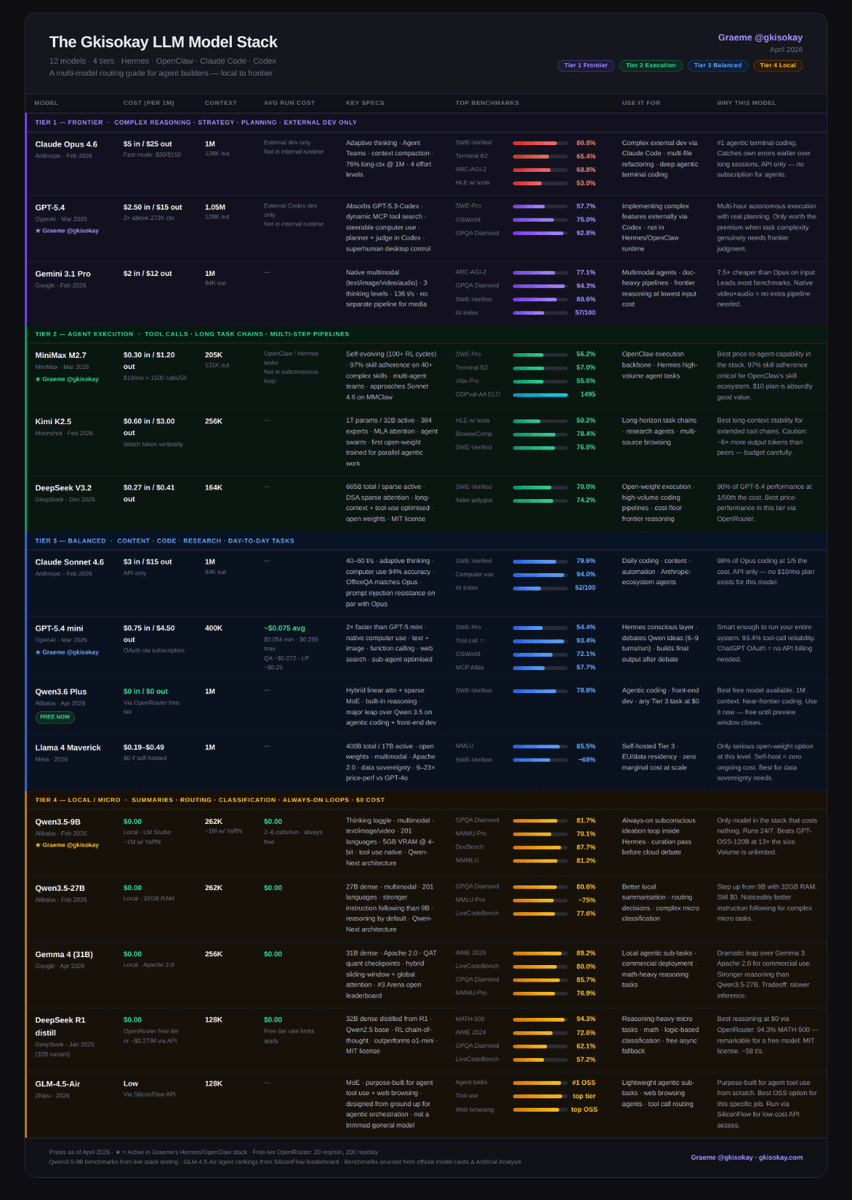
THE LLM CHEAT-SHEET FOR HERMES + OPENCLAW AGENTS The community has flagged Claude Opus 4.6 underperforming lately while GLM 5.1 has exploded on the scene to claim frontier capabilities. A lot has changed since the last version. Here's what moved: GLM-5.1 just proved its frontier capabilities with #1 SWE-Pro globally, 8-hour autonomous execution, and cheaper than Opus on input. It earns a Tier 1 spot. Grok 4.20 enters Tier 2 with the lowest hallucination rate of any tested model, a native multi-agent API running up to 16 parallel agents, and a 2M context window. Gemini 3.1 Pro drops to Tier 3. The price and multimodal story is strong, but the new frontier bar left it behind on reasoning. Mistral Small 4 joins Tier 3. One model replacing three specialist pipelines (reasoning, vision, agentic coding) at $0.15/M input. Apache 2.0. Here's the full landscape: 18 models in 4 tiers. Tier 1 - Frontier Models - Claude Opus 4.6: #1 agentic terminal coding; watch for inconsistency reports - GPT-5.4: superhuman computer use, real planning. and introduced a $100/month plan - GLM-5.1: #1 SWE-Pro globally, 8-hour autonomous execution, MIT license Tier 2 - Execution - MiniMax M2.7: 97% skill adherence, built for agents. API only, not open weights - Kimi K2.5: long-horizon stability, agent swarm - Grok 4.20: lowest hallucination rate on the market, native multi-agent, 2M context - DeepSeek V3.2: frontier reasoning at 1/50th the cost Tier 3 - Balanced - Claude Sonnet 4.6: 98% of Opus at 1/5 the cost - GPT-5.4 mini: 93.4% tool-call reliability, runs on OAuth - Gemini 3.1 Pro: best multimodal value, native video+audio in one call - Qwen3.6 Plus: near-frontier coding, completely free via OpenRouter - Llama 4 Maverick: open-weight, self-host at zero marginal cost - Mistral Small 4: one model replacing three; reasoning, vision, agentic coding, Apache 2.0 Tier 4 - Local / $0 - Runs on 32GB RAM or less - Qwen3.5-9B: always-on subconscious loop, 16GB RAM, beats models 13x its size - Qwen3.5-27B: stronger instruction following, 32GB RAM - Gemma 4 31B: best local reasoning, Apache 2.0, commercial-ready - DeepSeek R1 distill: best chain-of-thought at $0 - GLM-4.5-Air: purpose-built for agent tool use and web browsing, not a trimmed general model

@MistralDevs ·
CHECK THIS OUT. Coding in augmented reality with @mistralvibe. Built at the Mistral AI Worldwide Hackathon in Paris by @Min0laa, @tr_mz_, and @glwesteneng. Shoutout to Voxtral and Devstral 2 models. Demo was run on a Meta Quest 3.
 Watch video

@interconnectsai ·
Latest open artifacts (#20): New orgs! New types of models! With Nemotron Super, Sarvam, Cohere Transcribe, & others The top end of the market was quiet, but "industry-scale tinkering" just got very loud. We're seeing a massive shift: specialized, cheap open models are now the crucial tools complementing closed agents. Analysis & breakdowns of: - @NVIDIAAI Nemotron-3-Super-120B: 1M context + NVFP4. - @cohere Transcribe - @SarvamAI -105B - @MistralAI -Small-4-119B Massive coverage of new artifacts from: - Coding & Logic: @zeddotdev @Meituan_LongCat & Goedel-LM - Multimodal/OCR: @Microsoft @YuanAI_Lab @BaiduAI & @xiaohongshu (RedNote) - RAG & Search: @trychroma @LightOnIO & @miromind_ai - Robotics/Agents: @Reka_AI @hcompany_ai & @ServiceNowRSRCH - Creative & Audio: @bfl_ml @hume_ai & GAIR - Data & Infra: @allen_ai @IBM @markov__ai @StepFun_ai By @natolambert & @xeophon https://t.co/NvFksswX9n

@HaimantikaM ·
If you are building in/with AI, one topic for sure that you should have hands-on experience on is quantization (basically reducing model weight and that often leads of throughput and memory gain). I made a benchmarking video on running a stress test prompt on Mistral 7B Instruct model on a @digitalocean GPU droplet (H200). Watch it till the end to understand if quantization is the right infra choice or not. P.S. - If you are building AI infrastructure, let’s hop on a coffee chat, would love to learn from you. https://t.co/JRZknohw5b

@shawnchauhan1 ·
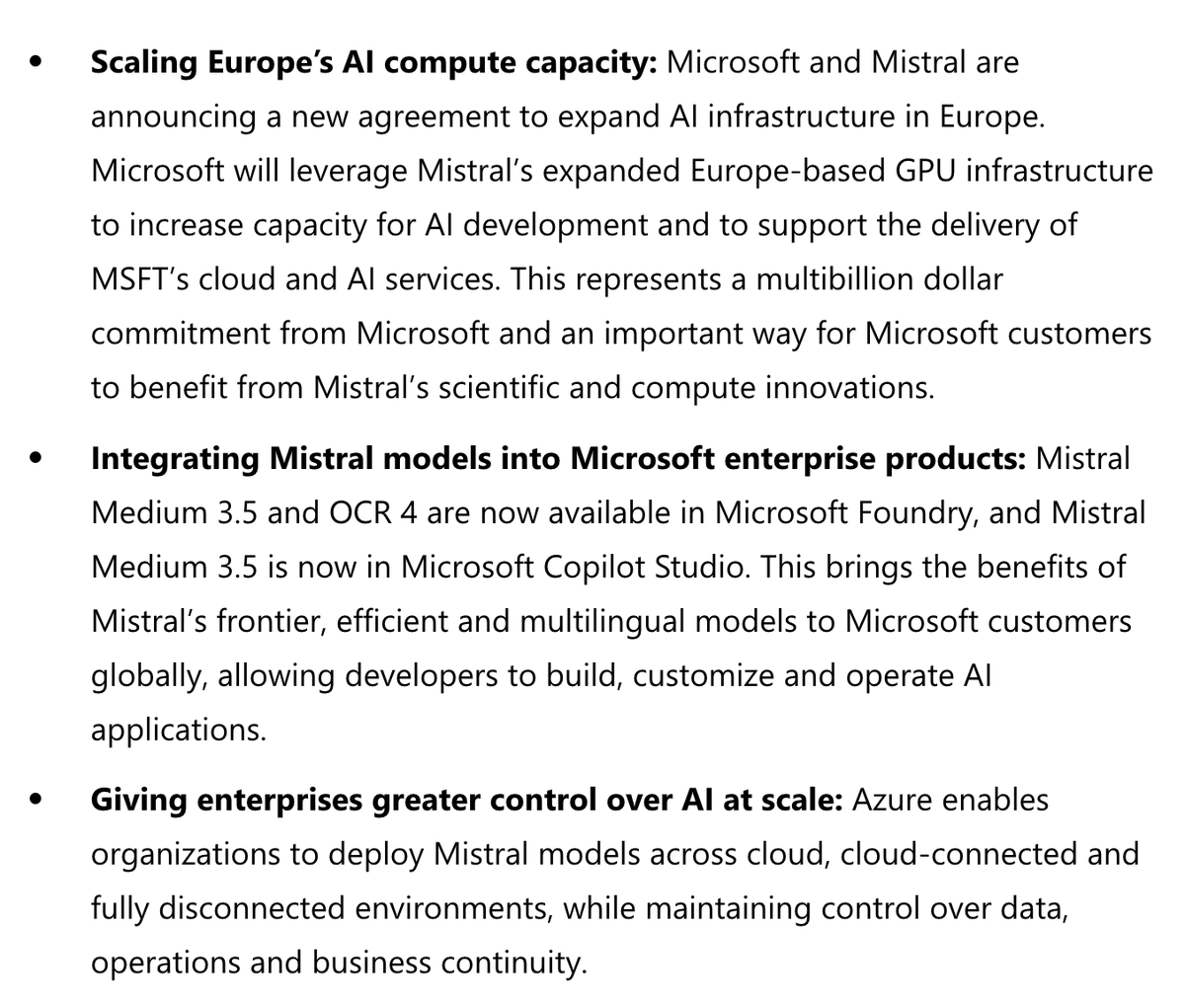
The company that bet everything on OpenAI just signed a multibillion-dollar deal to run open-weight models instead. Microsoft and Mistral expanded their partnership this week, bringing Mistral's open-weight Medium 3.5 model into Azure, Microsoft Foundry, and Copilot Studio. The detail worth noticing: enterprises can now run frontier AI fully disconnected from the internet, a first for Microsoft's cloud. Thousands of GPUs are going into new European data centers specifically so regulated industries can keep their data, and their model weights, entirely under their own control. It lines up with what Microsoft's own leadership has said elsewhere: closed models can cost you twice, once in fees and again when you hand over what you put in every prompt. When your closest partner starts hedging toward open weights, that's not a trend. That's a verdict.


@softr_io ·
🤖 Gemini and Mistral models are now available when setting up AI agents in Softr Databases and Workflows! Available models include: Gemini: 3 Pro, 3 Flash, 2.5 Flash, Flash-Lite Mistral: Large 3, Medium 3.1, Small 3.2, Ministral 3 14B With more model choices, you can fine-tune each AI agent to your needs — whether that’s faster execution, deeper reasoning, or more cost-efficient processing at scale. 💪
 Watch video
@shawnchauhan1 ·
The open-source AI coalition model is maturing into something more structured. Mistral joined NVIDIA's Nemotron Coalition as a founding member. Their first deliverable is a shared base model built on DGX Cloud. Mistral Small 4 ships simultaneously through Mistral's API, Hugging Face, and NVIDIA's tooling in one release. That is three distribution channels activated at once, backed by a €1.7 billion funding round and deepening hardware partnership. The gap between open and closed model ecosystems is closing faster than most closed-model providers want to acknowledge. The open-source strategy is no longer scrappy. It is now well-capitalized and infrastructure-backed.

@mikebutcher ·
Mistral just announced it's raised $830m in debt. This would make it the first major debt financing to fund European AI infrastructure build-out . It's pushing “sovereign AI” for Europe (see also US–Europe tensions, right?!) • Massive infrastructure push underway: €4bn planned spend on AI data centres (France + Sweden)

@dailydotdev ·
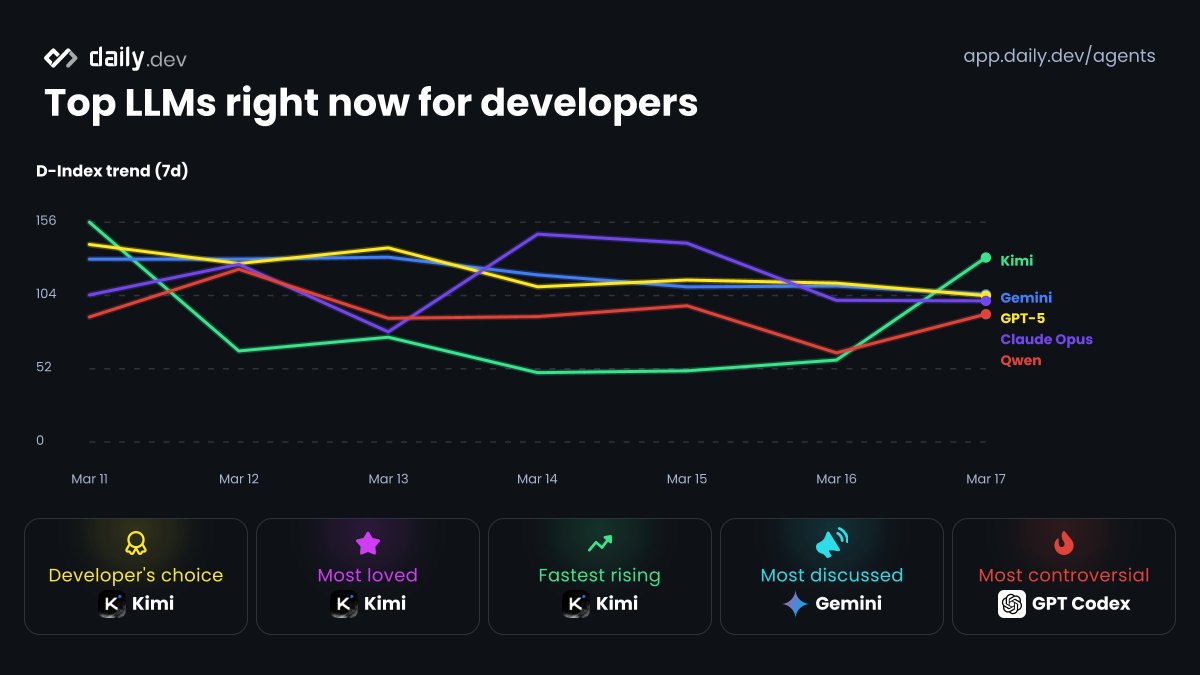
Competitors eating your lunch is a great motivator, apparently. Here's today's AI dev news. - @OpenAI internally flagged @AnthropicAI as "code red" after Claude Code reportedly became the default at most tech companies - @OpenAI shipped parallel subagents in Codex today, so your main context stays clean while specialized agents do the dirty work - @AnthropicAI catalogued their last two weeks: voice mode, a marketplace, eight enterprise plugins, and four Google integrations, which is a lot - @MistralAI's Leanstral beats models 60x its size on formal verification benchmarks, at $36 versus $549, which is hard to ignore The chart of which models devs actually reach for tells its own story right now.

@vesting_tv ·
Mistral (@MistralAI) built an 8B robot-navigation model that beats multi-sensor systems with one cheap RGB camera. It hit 76.6% on unseen routes. The next robotics winner may sell the software that makes every robot useful.
 Watch video
Best Tweets by Topic