LinkedIn content and lead magnets
Use founder-led content, optimized profiles, proof, and gated resources to build trust and turn engagement into inbound leads.
36%
Best tweets about Lead Generation
Discover the best tweets about lead generation, from targeting and offers to outbound, inbound, landing pages, qualification, attribution, and pipeline results.
Lead generation strategy, audience targeting, offers, inbound and outbound channels, qualification, attribution, economics, and measurable pipeline outcomes.
Original Xholic analysis
Across 50 tweets, recurring recommendations include matching a specific offer to likely buyers, using intent signals to prioritize outreach, and converting interest into qualified pipeline. LinkedIn content and signal-led outbound feature prominently. Contributors also emphasize qualification, follow-up, and attribution rather than reach or raw lead volume alone.
66% of posts
All-time engagement
34% of posts
Published in 90 days
Conversation map
Use founder-led content, optimized profiles, proof, and gated resources to build trust and turn engagement into inbound leads.
36%
Choose among organic, search, referrals, partnerships, paid media, and offline tactics based on buyer intent, acquisition cost, and deal value.
34%
Combine cold email, LinkedIn outreach, calls, direct mail, and follow-ups, matching message and effort to account value and lead warmth.
34%
Define who buys, identify urgent pains, choose a niche, and frame a specific, credible offer before scaling acquisition.
30%
Convert traffic and responses through landing pages, forms, CTAs, lead scoring, and ICP filtering rather than treating every inquiry equally.
28%
Source niche prospect lists and use engagement, visits, hiring, job changes, and other triggers to prioritize likely buyers.
28%
Respond quickly, cover missed calls and after-hours inquiries, route leads, nurture prospects, and revive stalled opportunities.
22%
Automate prospect research, scraping, enrichment, scoring, outreach, inbox management, and content iteration with agents and connected tools.
20%
Tone and stance
Performance benchmark
Posts with media make up 38% of this collection. Their median all-time score is 19.8, compared with 10.7 for text-only posts.
Format mix
Consensus and debate
Shared view
Contributors recommend defining the ICP, learning the language buyers use for their problems, and making the promised outcome specific before scaling content or outreach. They also emphasize proof and niche fit over polishing generic prospecting copy.
Shared view
Resource requests, relevant comments, website visits, and job changes are proposed as signals for outreach. Contributors recommend checking ICP fit and adapting the message to the signal rather than treating every contact alike.
Shared view
Recommended workflows connect profiles and opt-in pages with CRM processes, timely replies, and nurture sequences. Posts about missed calls and poor-fit inbound leads illustrate contributors' concern that acquiring more traffic or inquiries is not enough.
Open debate
One outbound playbook assigns scaled cold email to lower-value accounts; another argues smaller B2B firms should prioritize engaged prospects and bottom-of-funnel demand. These posts differ on when broad cold outreach merits its cost.
Open debate
LinkedIn playbooks advocate regular content and lead magnets, while a counterargument says founders should first use active conversations to learn who buys and how to close. Another early-customer playbook recommends selecting a small number of inbound or outbound channels rather than attempting everything.
Open debate
Automation advocates describe fast responses and booked meetings. One operator explicitly cautions that improved sales alongside AI agents also coincided with concentrating qualified leads among stronger closers and rising market demand, preventing isolation of the agents' contribution.
What performs
The supplied analytics give multichannel outbound a median all-time score of 39.217 and intent signals and prospect data 32.52, versus 11.43 overall. Examples discuss niche data sources, engagement triggers, and channel allocation. These post scores are not evidence of sales effectiveness.
Lists have a median all-time score of 37.74 and tutorials 19.071, versus 2.006 for opinion. Tool stacks and step-by-step lead-magnet workflows illustrate these practical formats, but the comparison does not establish why posts performed differently.
Contributors propose tracking first-touch content-sourced pipeline, lead-to-MQL progression, converted revenue, and inbound inquiries rather than relying on views or raw leads alone. A partnership post reports attributed leads, MQLs, and revenue; those are its author's results, not a general benchmark.
Statistical standouts
Creator landscape
The five most represented creators account for 20% of the selected posts.
1. Adam Rahman
@AdamrahmanGTM
2 posts
2. Alexa | Startup founder
@alexabelonix
2 posts
3. Cody Schneider
@codyschneider
2 posts
4. Dan Rosenthal
@dan__rosenthal
2 posts
5. Alex Vacca
@itsalexvacca
2 posts
6. Logan Gott
@LoganTGott
2 posts
Paolo pairs competitor and audience research with lead magnets, engagement analysis, opt-ins, direct messages, and quick inbound replies. Both posts appear in the analytics' outlier list, but their prescriptions remain the creator's claims.
Cody describes extracting LinkedIn engagers, checking ICP fit, enriching contacts, and managing replies through agents. His startup example reports positive responses and booked meetings; it does not isolate which workflow step produced them.
Logan Gott lays out a LinkedIn profile-to-opt-in-to-outreach workflow. Alex Vacca recommends spending higher-effort channels on valuable accounts and scoring inbound leads before sales follow-up. These posts emphasize qualification and allocation of sales effort alongside acquisition.
Since the previous snapshot
Themes, sentiment, stance, and post format are classified per tweet. All counts, shares, medians, creator concentration, freshness, and performance comparisons are then calculated directly from the published snapshot.
Xholic's all-time score compares engagement while accounting for reach, post age, and creator consistency. It is used for relative comparisons within this collection.
This report analyzes the exact 50-post snapshot shown below. AI identifies editorial categories and drafts explanations; all statistics are calculated from the snapshot, and every narrative claim is checked against cited posts before publication.
Best Lead Generation tweets
Ranked 01–50

@paolo_scales ·
LinkedIn GTM hack today Find all of your competitors' linkedin profiles and their top performing posts using phantombuster Then use the apify API to scrape every lead magnet, hook, and CTA they've posted in the last 90 days Take all of this and use Claude to write detailed breakdowns of each post, specifically focusing on the angle, the promise, the awareness stage they're targeting, and the CTA structure Once you have this, you have a map of how every competitor in your category is talking to the same buyers Then have Claude analyze where the gaps are, which pain points nobody is addressing, which buyer personas are being ignored, which hooks are completely saturated To validate these gaps, have it scrape reddit using exa AI, pulling threads from your ICP's most active subreddits to confirm whether these gaps represent real unmet demand or just content nobody cares about At this point you've got a complete picture of the category Now go use claude to write 10 lead magnet posts based on this analysis, each targeting a different gap, with a hook, body, and CTA optimized for comment volume Schedule these across the week using taplio or hypefury 24 hours after each post goes live Connect your linkedin analytics into a dashboard using clay or notion to analyze what's working, which hooks are pulling the most comments, which topics are driving profile visits and DM requests Use this data to kill the losers immediately and double down on the winning angles with 3 variations each Once the system works, build it into a claude project with a weekly trigger so it runs the full research and content planning cycle automatically every monday morning before you post anything
@paolo_scales ·
Every single founder I know that has cracked LinkedIn does these 5 things: 1. Posts every single day (1x/week lead magnets) 2. Messages every single profile viewer, ICP comment and new connections (soft conversation starter) 3. Maxes out connection request limit (approx. 20/day) 4. Gates every single free lead magnet behind an email opt-in page (sends 3x emails to the list every week) 5. Replies to inbound leads in less than 10 minutes (speed to lead is everything) Do all of this and it's extraordinarily unlikely for you to NOT get results from LinkedIn.

@romanbuildsaas ·
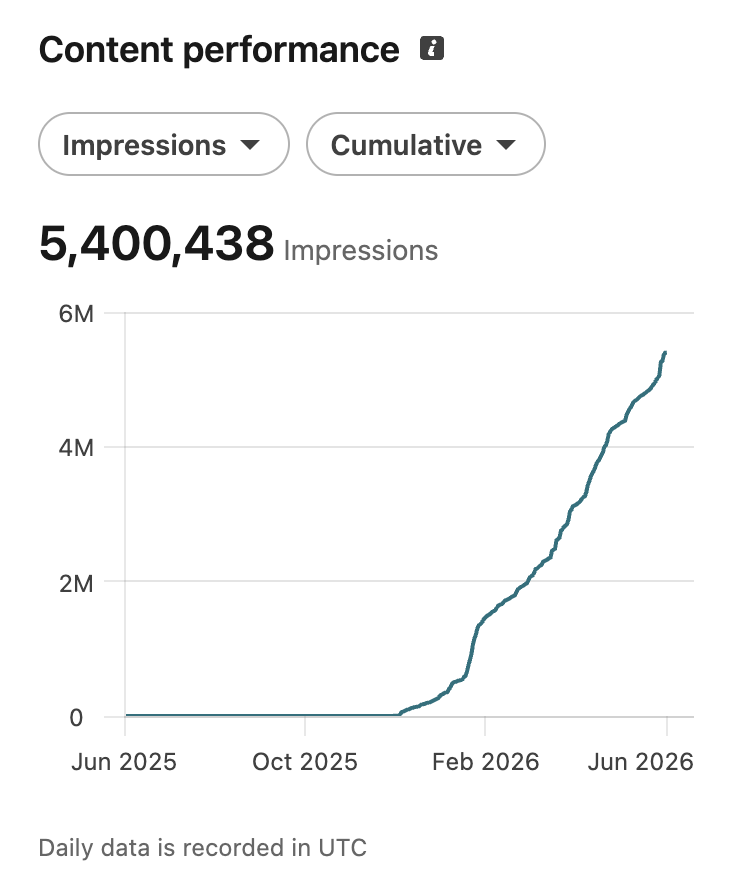
We grew one LinkedIn account from 0 to 5M impressions in 6 months. The biggest driver was one simple post type: 1. Pick a resource people would genuinely pay for. 2. Make the hook about the outcome: “I built X that helps you do Y. Giving it away free.” 3. Add 3-5 pain points your audience already feels. 4. Show exactly what’s inside the resource. 5. End with one clear ask: comment a keyword and connect. 6. Get 15-20 real people to engage in the first 30 minutes. 7. Send the resource to everyone who comments. 8. Feed every lead into a personalized multichannel sequence with Gojiberry(dot)ai One strong post can bring 100k+ views and 1,000s of inbound leads.

@fin465 ·
I was booking 5-10 demos/wk and thought I'd maxed out my outbound. In 2026 that is the ceiling, but only if you're stuck using the same 5 methods as everyone: - Apollo - Clay - Google Maps Scraping - Instantly - Crunchbase “news/signals” When I started using the other 99% of data, I went from being another spam pitch (inboxes are flooded), to the only person emailing that list and started booking 40-50 meetings every week (yes, really) unique ways to get leads (each industry) in 2026: - Healthcare providers: NPI Registry - Manufacturers & industrial suppliers: Thomasnet + IndustryNet - Trucking/ logistics: FMCSA SAFER records - Federal contractors: SAM(.)gov entity search - GSA schedule vendors: GSA eLibrary - small businesses: SBA small business search - Local trades, contractors: contractor + business license databases - Anyone exhibiting at a trade show: exhibitor directories + Map Your Show pages - Local businesses & association members: ChamberMaster, WildApricot, GrowthZone - SaaS partners & agencies: partner directories from AWS, Microsoft, Shopify, HubSpot, Salesforce - Mission-driven / nonprofits: B Corp, WBENC, NMSDC, LEED directories - Public contract winners: procurement award databases - Any old-economy niche: "find a member" + the trade association for it + if your industry isn’t covered here, throw this post into Claude with your company info and ask what sources you should use I learned this cuz I spent 3 years setting up outbound systems to scrape these sources & find niche leads I ended up putting all that knowledge into origami. chat, so it can access 100+ data sources for you, just by asking @origamichat use AI / Claude Code so you don’t need to manually scrape these lead sources yourself


@codyschneider ·
last week went on gregs pod you probably missed it bc you're super busy here's everything you'll learn LinkedIn engagement is a hand-raise signal, beats firmographics Track 10–20 category outliers, get 80% industry coverage Use your for-you feed, not search, sourcing creators Business accounts work as lead sources, not just people Apify API Maestro actors: most stable LinkedIn scrapers Post reactions plus post comments = full engager list Daily cron pulls net-new posts, then extracts engagers ICP-fit research happens before enrichment, not after Waterfall enrichment: cheapest accurate source first, expensive last Origami aggregates the entire waterfall behind one call LeadMagic specifically for mobile phone number enrichment MillionVerifier before sending, or deliverability dies fast Buying broker contact data is legal; usage rules differ Burner domains protect your core domain deliverability Four domain buckets: cold, marketing, transactional, business Roughly $200/month total to start sending 10k Instantly webhooks push positive replies to your agent Inbox agent answers questions, drives toward booked demos Program six-month re-touches to revive gone-cold leads Wire calendar access so agent verifies actual bookings Agent equals code, thinking loop, live data stream Don't pay tokens for what cheap CPU does Agent frameworks are usually bloat for finite problems Model the human's real process, not autonomous god-box Organic: interviews, sales calls, Slack, Notion, Gong "Write good LinkedIn content" produces mid, flaggable slop Best content is already trapped in internal conversations Ordinal schedules across accounts, feeds analytics back in Analytics stream tells agent what to snowball or remix Repost proven winners every 90 days, never daily Find what market wants, then build; same for content LinkedIn paid impressions run ~$22 per thousand — earned media Topic-based pages work when personal brand isn't appealing Timestamps 2:28 — Agent one: signal-based cold outbound 9:11 — Apify scraping and extracting engagers 15:47 — Waterfall enrichment, validation, compliance 21:40 — Inbox infrastructure, sending, inbox-managing agent 31:41 — Agent two: organic LinkedIn content engine
 Watch video
@codyschneider ·
4 weeks ago I deployed a LinkedIn outbound agent for a startup, and since then it's produced 73 positive responses this is what real GTM engineering looks like agents autonomously driving pipeline for your b2b saas here's exactly how this agent works 1. we defined 20 linkedin influencers the target customer engage with 2. The Agent checks their profiles daily for new posts (people engaging with this content their target customers) 3. It then extracts all net new engagers from the posts using apify api 4. For each engager it researches them by searching the web and does lead scoring based on ICP fit, and if they pass it adds them to Heyreach via API for cold outbound sequence 5. Then it cold DMs the person with the offer, which is a free training with an influencer in their industry (demo in disguise) 6. Agent manages the inbox via API 7. Meetings get booked if you want this more below


@askOkara ·
there are only 2 ways to get your first customers for a b2b saas: 1. outbound: > pick an icp, make a list of 100 companies, and reach out to them personally. email them, dm them on linkedin or x, ask for warm introductions, and get on calls. > when reaching out, lead w a specific insight, keep it short, don't sound robotic > direct mail. find the addresses of startups and send them something without expecting anything in return. i know a couple of startups that acquired users by sending doormats, pizzas, and other gifts 2. inbound: > post founder led content on linkedin. analyze what types of content is working well in your niche and create similar content. if companies in your niche are getting users through lead magnets, then do that. > case studies. if you don't have an existing network and you're starting out, you'll need case studies. give a couple of users 2-3 months of free access, help them get results, and turn those results into case studies. > do seo on bottom-of-funnel keywords > launches on x > comparison + alternative pages > paid ads (i'd not recommend starting w them unless you have funding or revenue) don't try to do everything. pick 1-2 channels where you have expertise, get them working, then expand

@aakashgupta ·
The customer acquisition cost for a pool installer to land one $48,500 job traditionally runs $2,000 to $4,000 in paid ads, follow-ups, site visits, and quotes that go nowhere. Close rates on cold leads hover around 5-8%. This agent flips the entire funnel. It scans satellite imagery for 25,000 sqft lots in Tampa, checks setbacks, filters by home value ($500K-$1.2M), and renders a photorealistic pool in the homeowner's actual backyard. Then it mails a postcard. The postcard is the part that makes this print money. A homeowner who has never considered a pool opens their mailbox and sees their own yard with a pool already in it. The visualization does the selling before a human ever picks up a phone. Every pool builder in America spends thousands trying to get homeowners to imagine the finished product. This agent generates that image for pennies per address and sends it unsolicited to qualified prospects. The economics work because the targeting is surgical. $500K-$1.2M homes without pools means the homeowner can afford $48,500 and has yard space. The $37,500 property value increase means the pool nearly pays for itself on paper. 43 days to Memorial Day is the urgency trigger. Every variable in the postcard is calculated to push one decision. Pool installation in Florida runs $70,000 to $120,000 on the high end. At $48,500 this is priced at the impulse tier of an industry where "impulse" used to mean $100K+. One closed deal from 500 postcards and the entire campaign is profitable by 10x. The real product here isn't pool sales. It's an AI-powered lead generation machine that works for any high-ticket home service: solar panels, ADUs, kitchen remodels, landscaping. Anywhere you can render the finished product onto the prospect's actual property photo and mail it to them, this model applies. Pool installations are the proof of concept.


@AdamrahmanGTM ·
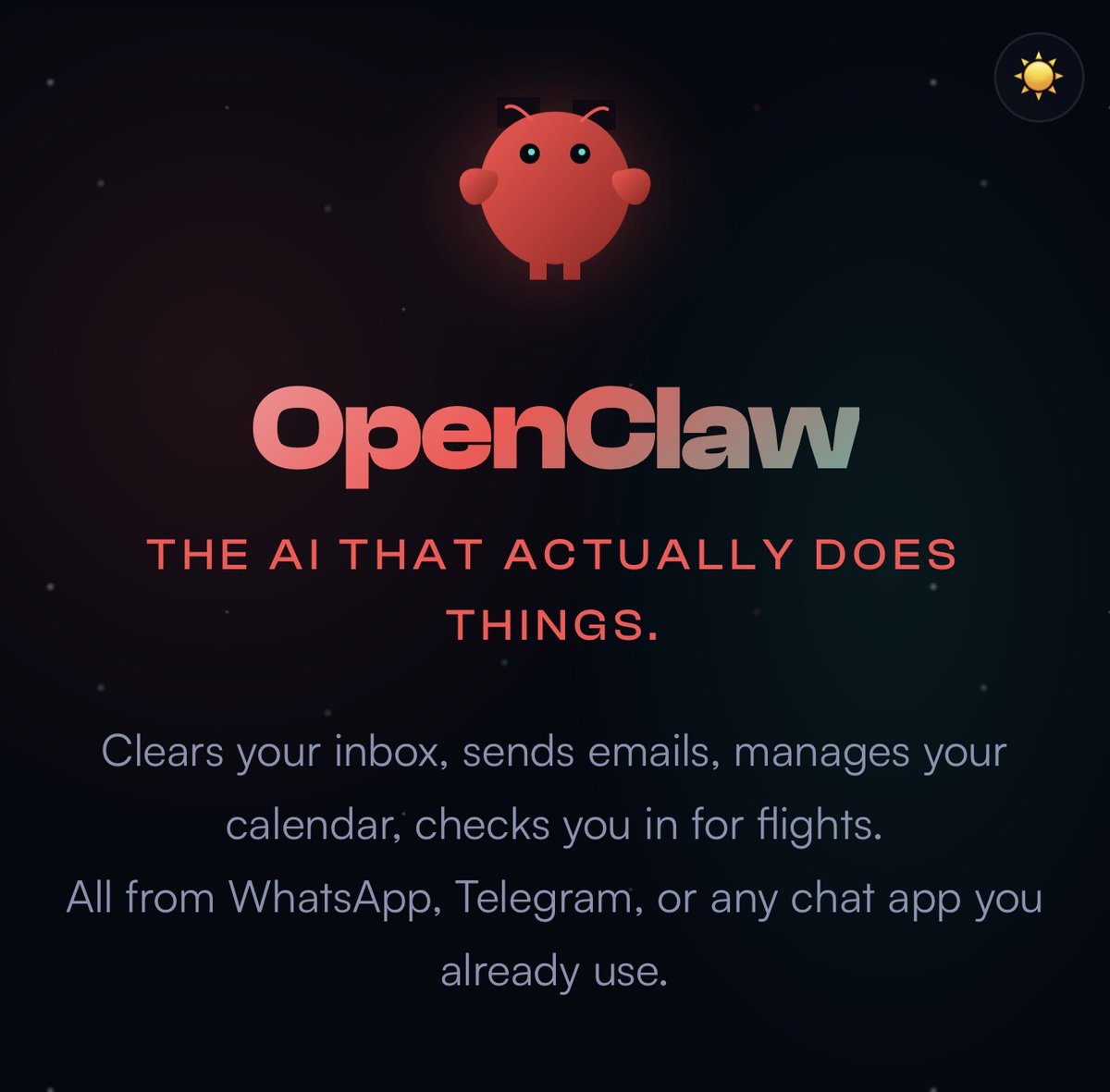
The Cold Email + LinkedIn Outreach + Cold Calling + CRM tech stack. Infrastructure for B2B outbound domination going into Q2 2026: Cold Email. EmailBison - Automated Email Sequencer ScaledMail - GSuite & MS Inboxes Provider Premium Inboxes - GSuite Inbox Provider EmailGuard - Deliverability Monitoring MasterInbox - Reply Management & Lead Routing LinkedIn Outreach. HeyReach - Automated LinkedIn Outreach LinkedIn Sales Navigator Premium - Premium Sending Enablement Cold Calling. LeadMagic - Phone Number Data Readymode - Dialer HubSpot/Salesforce - Lead Management & Follow-up Company Data. Crunchbase - Company Intelligence BuiltWith - Company Technologies Data Store Leads - E-commerce Data PandaMatch - Lookalike Lists https://t.co/8jP9kvk7R8 - Influencer Data https://t.co/LKI5wC71yy - Contractors Data GetLatka - SaaS Leads Database https://t.co/NnO9jaajiC - Agency Services Database Pitchbook - Venture Cap, Private Equity, M&A D7Leadfinder - Local Leads IcyPeas - Company & People Search AI Ark - Company Discovery https://t.co/zmC8WXT17E - Lookalike Lists Contact Data. AI Ark - Lead Generation Database LeadMagic - Contact Data Provider MillionVerifier - Email Verification Enrichley - Catch-All Email Validation BlitzAPI - Contact Enrichment Engine Prospeo - Email Finder Intent Signals Tracking. Trigify - LinkedIn Engagement Tracking RB2B - Website Visitation Tracking Vector - Ads & Website Engagement Tracking ScrapeLi - Competitor Following Scraping Web Scraping. Instant Data Scraper - Website Scraper Spider Cloud - Website Crawler Apify - Full Stack Web Scraping & Data Extraction ZenRows - Data Scraping Workflows https://t.co/WSXhHrUfgP - Google Search & Maps API AI Agents. Campaign Agent - Autonomous 6-Phase Campaign Pipeline Campaign Checkpoint - Real-Time Bounce & Performance Circuit Breaker Fleet Gateway - Event-Driven Agent Orchestration Performance Loop - ELR Monitoring & Automated Flagging Local-Enrich - Maps to Verified Email Pipeline Automation. Clay - Outbound Workflows Sandbox n8n - Open-Source Automation Platform LLMs. Claude 4.6 Opus - Advanced Reasoning & Agent Backbone Claude 4.6 Haiku - High-Speed Enrichment & Extraction Perplexity Deep Research - AI Research Assistant CRM. HubSpot - Traditional Sales CRM Outboundsync - Outbound Lead CRM Syncing Attio - Modern Sales CRM Impossible to lose with this infrastructure in place.

@LoganTGott ·
How to Build A LinkedIn Lead Generation System: 1. Define your ICP before you touch anything else. Pull your last 10-20 sales call recordings, transcribe them, and paste them into Claude. Ask it what problems come up most and what language people use to describe their pain. That language becomes the foundation for every post and every DM you write. 2. Rebuild your profile like a landing page. Your banner should communicate your core result in one sentence with client logos. Your bio should name who you help and what outcome you deliver. Your featured section needs three links: one for buyers ready now, one top post for the curious, one lead magnet for everyone else. 3. Run 3 content layers. • Growth content fills the top of funnel • Nurture content positions you as the authority • Conversion content captures people who are already warm 4. Build lead magnets tied directly to your service. Frame them around outcomes, not deliverables. When someone comments, DM the resource manually with a question that starts a conversation. 5. Stack a funnel behind every lead magnet. Send them to an opt-in page, not the doc directly. After they submit, they land on an offer page with a CTA to book a call. Then a 3-email sequence hitting your top objections. 6. Run outbound alongside content every week. Qualify manually. When you DM, reference something specific about their business and lead with results you've driven for similar companies. Three follow-ups after. 7. Batch the entire week in one 3-hour block. Ideation through Taplio and your swipe file. Drafting through Claude. Visuals in Canva. Schedule everything out, then 30-45 minutes daily for engagement and outbound. What part of this system are you missing right now?

@Codie_Sanchez ·
There’s a guy in our business scaling advisory that went from $576K to $1M in projected revenue in under a year. His name is Stephen Rice. He started hosting karaoke in 2016 at a dive bar after his divorce. Built it into a full event and wedding DJ company doing 6 figures a year. When he came to us, he was still personally carrying the whole thing and couldn't see a way to grow without just doing more of it himself. 4 things we changed to bump his projected revenue up 58% in half a year: 1. We raised prices by 12% across all his packages. He went from charging $1,500 for his entry level offer to more than $3,000 for his premium one. And to his surprise... his close rate didn't move. 12% pure margin added to the business. 2. Before, add-ons were sold individually. A photo booth here, a dance floor there... We bundled them into higher-tier packages instead. Customers naturally gravitated toward the middle option. So the average order value went up without him having to sell anything new. 3. He hired a full-time VA and built out automations to handle all 2,500 inbound leads a year. Brochures, videos, proposals… all sent automatically. 90% of clients now book without a single human conversation. He removed himself from the sales process entirely. 4. We built a training portal on Teachable to walk new hires through the entire process from onboarding to event day. So new DJs can now get up to speed without him being in the room. From 3am bar gigs to a $1M run rate in under a year. Not bad for a karaoke host.

@WilsonCompanies ·
I bought a plumbing business, and in the first 90 days, we doubled sales. Here's how we made it happen: -> We shifted marketing toward lead generation and filling the board daily -> We installed speed-to-lead systems to respond to leads instantly -> We added 24/7 phone coverage so calls stopped going unanswered -> We raised pricing roughly 15% to better match the market -> We improved technician training and sales consistency -> We updated compensation plans to reward performance -> We centralized admin work so the branch could focus on customers Working together, these adjustments were (and continue to be) a game-changer.

@itsalexvacca ·
We've run cold email, LinkedIn, and cold calling for hundreds of B2B clients on the way to $7M ARR. Here's the split we use, plus the one rule that decides all of it: Pick the channel based on what the account is worth to you. Most teams run it the other way around. They fall for one channel and force every account through it. 1. Cold email is your volume engine. > 500 to 2,000 sends a day, and the only ceiling is your own infrastructure. > A direct pitch still works here, so run 5 to 10 variants at once and let the market show you what lands. > Use it to cover Tier 2 and Tier 3 accounts, and to pressure-test a new market before you sink real time into it. Data: Prospeo, MillionVerifier, LeadMagic. Sending: Instantly, Smartlead, lemlist. 2. LinkedIn is your precision play. > About 40 DMs and 25 connection requests a day, and those caps are hard, so volume is off the table. > You win by leading with value and skipping the hard ask while everyone else opens with a pitch. > Triggers carry it: a role change, fresh funding, a recent post. > Point it at Tier 1 accounts you can't afford to burn. Data: Clay, Sales Navigator. Sending: Expandi, lemlist. 3. Cold calling is your Tier 1 closer. > 50 to 100 dials a day, real time and fully adaptive. > It breaks through the silence when nothing else earns a reply. > It also eats time like nothing else, so you only point it at accounts that actually move the number. Data: FullEnrich, because mobile numbers are everything here. Dialer: Nooks. The rule we follow is simple. Tier 1 accounts get all three. Everyone else gets cold email at scale. Push your best accounts into a 2,000-a-day blast and you burn the exact relationships you needed to protect. Try to scale LinkedIn past 40 DMs a day and the math quietly falls apart. Channel selection is just budget allocation. Spend your most expensive motions on the accounts that move the number, and run everything else on email.


@ShubhAgrawal26 ·
this is your friendly reminder from your favourite b2b growth dude that if you’re doing below $200k a month in revenue. you’re almost always better off not investing direct response marketing and lead gen efforts on cold audiences. it just isn’t worth it. your only job is -> creating content that generates inbound leads + signals (likes, followers, website visitors etc) -> send outreach to qualified leads that showcased a signal -> any ads or organic search efforts on bottom of funnel leads that’s it. below $3M ARR in most markets, trying to go after audiences that are (maybe) only problem aware IS NOT WORTH IT. it takes a shit load of money and effort to educate someone on the problem, then the solution, then ur product for said solution and then conversion. lets companies like rippling play this game - they’re doing hundreds of millions in revenue, they can do this. you can not. thumb rule - organic can do top of funnel, performance cannot. doesn’t apply to b2c go win.


@mhp_guy ·
AI hasn't killed Upwork (yet). Here are some unique Upwork uses that you might not have thought of. Combine some with AI and it's next level. You can: - Save 90% on software - Find off market real estate - Save 95% on leads - Get new marketing ideas - Get intel on competitors I’ll show you 9 ways how: 1. BuiltWith is amazing. It provides millions of targeted leads & tells you what tools any website uses. But it costs $450! Go to Upwork & post a job looking for someone with a BuiltWith account. Pay them $30 to run an export for you. Takes them 5 mins & saves you $420 2. Imagine you need a VA to scrape targeted leads for you from Google my Business, LinkedIn, Yelp Etc Don’t hire a VA to do it. Hire a VA that already did it and buy their CSV for $20. See a previous job listing of mine below. Works like a charm. (Or use AI to scrape it yourself. How do you want to spend your time?) 3. Say you need self storage owner leads for central Ohio. Once again, it’s already been done before for someone else. Post a job for the leads, not for the labor. Buy the CSV. No dice? Post another job for it a day or two later. You’ll find it. 4. Need new marketing or business ideas? Create a new Upwork account for FREELANCERS. Start looking at job postings from other business owners. Search terms to use: Lead generation Sales Marketing Launch Business plan What you’ll find is a treasure trove of ideas. (Build a tool with AI that does this for you and then sell it) 5. Want to know what your competitor is up to? Post a job for VAs that have worked for them before. Hire them and pay them to answer questions. You’ll never know what you’ll learn. 6. It’s the same framework for every tip in this thread. Before posting a job simply ask yourself: “Has a VA already done this for someone else? How can I find them?” (Upwork) 7. Want to save 80% of your time looking for the right VA? Use @loom to make a 5 min video and post that. Put an Easter egg in the loom that asks the VA to mention a keyword in their application to weed out the noise. Many agencies use bots to mass apply. Waste of your time! 8. How about a piano teacher for your kids? We hired a fantastic Armenian concert pianist for a fraction of what average pianists in our neighborhood were charging. Want to start a marketplace for matching remote pianists w/ Americans looking for one on a budget? Upwork! (or vibecode a piano guitar hero app in a weekend) 9. Companies much further along & better funded than you have already built massive marketplaces. Don’t reinvent the wheel. Seek out their users and profit. Hope this helps someone! Always grateful for your follow @mhp_guy


@IAmAaronWill ·
Businesses don't buy AI. They buy: • Hours back • Leads who pay • Money not wasted This pitch doesn't work: 'I build AI agents and automation systems.' This pitch does: 'You're losing 40% of inbound leads because response time is over 6 hours. I can fix that in a week."

@KevinSzabo14 ·
The reason your content isn't converting isn't the algorithm. It's that you're creating for engagement instead of buyers. Likes come from relatable at scale. Sales come from being specific. "I help people grow on X" gets scrolled past. "I help B2B founders get 3 inbound leads a week through content" One is specific, one is generic.

@Rakshaweb3 ·
A founder came to me saying: "I've been posting for 6 months. Nothing is working." I looked at their profile. The problem wasn't the content. It was the signal. Every post was about different things: Startups. Marketing. Life advice. Travel. Tech. The algo didn't know who to show them to. Viewers didn't know why to follow them. We picked one lane: "Help B2B founders generate leads without paid ads." Every post after that served that message. In 45 days: 3,200 new followers. 4 inbound DMs. 2 clients. Clarity is the strategy.

@dan__rosenthal ·
We bootstrapped from 0 → 15 full-time team members in 7 months. The #1 channel: LinkedIn content. But NOT the way most companies use it. This is the system that turned posts into pipeline (5 steps): STEP 1: Your profile IS your landing page. You can NOT treat LinkedIn profile like a resume. That's a conversion killer. Winning formula: → Banner with logo + tagline → Headline: Role @ Company | what you do for whom → Featured section: lead magnet + best case study post → About: hook, social proof, offer, CTA STEP 2: Content follows a ratio. 70% top-of-funnel (educational, thought leadership, stories) 20% middle (frameworks, demos, how-tos) 10% bottom (case studies, testimonials, offers) Most companies post 80% BOFU and wonder why engagement is dead. Nobody trusts a feed that reads like a product catalog. STEP 3: Retarget your engaged audience. This is the part 95% of companies skip entirely. We stream 4 signal sources into Clay: → Post engagement → Profile views → Lead magnet downloads → Website visits Each lead gets enriched and CRM-matched. Tier 1s get Slack alerts for manual outreach. Everyone else gets https://t.co/fIAISzZ11L + HeyReach sequences. The TL;DR: LinkedIn is pipeline infrastructure. The system: profile converts → content builds trust → signals capture intent → automation activates leads. PS Follow @Dan__Rosenthal for more B2B growth systems.

@romanbuildsaas ·
If I had to run LinkedIn outbound from scratch tomorrow, I would rank lead sources like this: Tier 1: - people who asked for a resource - old opps showing new activity - warm intros - people commenting with a real problem - people interactiong with our team/linkedIn page Tier 2: - job changes into the buying role - companies hiring for the workflow you solve - event attendees in your niche - competitor engagers - researched cold calls Tier 3: - Sales Nav filters - scraped followers - mass connection requests - generic cold email lists The mistake is treating all leads the same once they hit the CRM. I would run different CTAs by tier: Tier 1 = direct question about the trigger Tier 2 = context + soft problem check Tier 3 = do not send until you find a better reason Example: Bad: "Saw you lead sales at X. Want to chat?" Better: "Saw you were looking for a Clay/LinkedIn setup. Are you trying to automate prospecting, or just find warmer accounts?" The lead source decides the message, not the other way around.

@AdamrahmanGTM ·
How to dominate your B2B market via cold outbound: Top of Funnel (start relationships with cold accounts): → Cold email (30k-100k emails per month) → Automated ICP connection campaigns → LinkedIn DMs (relationship building + personalized 1:1 outreach to Tier 1 accounts) → Social warm-up: Engage with their content before reaching out → Lead magnet messages: Share a resource that solves one problem Tools: EmailBison, TryKondo, HeyReach, Clay Mid Funnel (build trust with warm accounts): → Response management for <5 minute response times → B2B newsletter for nurturing prospects → Personalized lead magnets based on engagement → Route qualified leads into CRM → Insight messages tailored to their context (funding, hiring, changes) Tools: Beehive, Attio/Hubspot, Clay/n8n, Gamma, Send(.)co, OutboundSync, MasterInbox Bottom of Funnel (convert interest into meetings): → Fireflies/Sybill pulls call transcript & creates action items → Personalized proposals based on discovery call context → Re-engagement sequences for stalled deals (warm calls + DMs) → Quick audit offers for engaged prospects → Direct meeting asks for high-intent signals Tools: Fireflies/Sybill, Gamma, PandaDoc, n8n, Attio/Hubspot Structured stages + tight infrastructure = predictable pipeline generation. Most companies only run TOF and wonder why reply rates tank.
@LoganTGott ·
Our clients have been putting up some absurd numbers recently: - $30K closed in the first 21 days on a brand new account - 400K+ impressions in 30 days plus multiple five-figure deals closed - Multi six-figure deal closed straight from LinkedIn (save this... here's the system behind it) You post daily. Not 3x a week. Not "when you feel inspired." Daily. If you can't post daily, this isn't going to work for you and no agency on earth is going to fix that. Here's the actual mix we run for every client: 60% nurture content Pain points, objections, how-to breakdowns, opinions on what's happening in your space, your real take on industry trends. This is the workhorse. This is what makes someone go from "who is this guy" to "this guy actually knows what he's talking about." 30% growth content Stories, shallow ideas, personal life updates, behind-the-scenes from the business. Zero pitching. Pure trust-building and reach. Most of these will outperform your value posts and you'll be tempted to do nothing but this. Don't. 10% conversion content Case studies with real numbers, result screenshots, lead magnets, hard offers. Two to three lead magnets per week is the sweet spot. The founders complaining their content "doesn't generate leads" are doing one of three things: 1. Only posting conversion content, so no one trusts them yet 2. Only posting growth content, so they have an audience that will never buy 3. Posting 2x a week and wondering why they're invisible The system isn't complicated. The execution is what kills people. Most founders quit at week 6 because they haven't closed a deal yet. The ones who close in month 4-6 are the ones who didn't quit. Try it.
@WilsonCompanies ·
Earlier this year, I bought a plumbing business. In the first 90 days, we doubled sales. January hit 120K. February hit 140K. March hit 170K. Here's how: /We shifted marketing toward lead generation and filling the board daily /We installed speed-to-lead systems to respond to leads instantly /We added 24/7 phone coverage so calls stopped going unanswered /We raised pricing roughly 15% to better match the market /We improved technician training and sales consistency /We updated compensation plans to reward performance /We centralized admin work so the branch could focus on customers
@dan__rosenthal ·
5 signal plays you can run to drive 2-10x higher reply rates than standard outbound: (bookmark these for later) 1. Customer alumni: track employees who moved from closed-won accounts to new companies 2. Website visitors: Warmly de-anonymizes traffic and routes to Slack notifications 3. Founder LinkedIn connections: targeting the founder's network, 25.4% reply rate 4. LinkedIn engagement tracking: Jungler monitors who's engaging with relevant content 5. Social listening: keyword monitoring on LinkedIn surfaces buying conversations Stop JUST collecting signals. The teams booking the most meetings are wiring those signals directly into their outbound sequences.

@neilpatel ·
Which marketing channels produce the highest-quality, lowest-cost B2B leads? Well, the old saying that you can't have high quality at a low price is false... at least in B2B lead generation. Referrals and SEO produce high-quality leads at a lower cost. But channels like Trade Shows are expensive, and the lead quality isn't as great. Check out how each channel performs below.


@NaivaidyaY66600 ·
Most “lead generation” is just pulling random profiles. That’s not useful. The real value is intent. Who is actively talking about: • leads • pipeline • follow-up • growth bottlenecks • missed opportunities • sales process That’s what my system looks for before scoring and drafting outreach.

@alexabelonix ·
SEO is boring until it starts acting like a silent SDR. Don’t write “the future of AI in sales.” Please. Write what buyers search when they’re already in pain: “how to qualify inbound leads” “best CRM for founder-led sales” “automate sales follow up” “AI lead scoring workflow” “HubSpot alternative for startups” “how to turn DMs into CRM” “n8n sales automation template” Those searches are closer to money. A high-intent page does not need to go viral. It needs to catch the person already trying to solve the problem.


@stijnnoorman ·
You're doing content wrong. That's what I recently told myself after I had an insight. And based on this I changed my entire content system. I see 90% of creators make the same mistake as me. So here's what I learned so you can fix your system. Most people just post and hope it works. They keep repeating this. But they never actually keep track of what works. This is because they don't know what they are optimizing for. So they aim for views and likes because it's easy to see. It looks good. But these are the wrong things to focus on. Views and likes don't necessarily grow your audience and business. That's why you should focus on different things. Things that actually track the goals that matter. And these goals are: • Growing your audience • Getting email subscribers • Getting inbound leads and clients Those are the only 3 goals that actually matter. So you should track those. How do we do this? • Track profile clicks for growth • Track link clicks for email subscribers • Track inbounds leads with keywords for clients That's how you actually grow your X audience and business. You can't improve what you don't track.
@alexabelonix ·
Lead generation has 4 stages: 1. Attract strangers blogs, social, keywords 2. Convert visitors forms, CTAs, landing pages 3. Close leads CRM, email, workflows 4. Delight customers surveys, follow-up, social listening Most people only work on stage 1

@cleanwithmike ·
How I built a $40k/month cleaning business: • Found cleaners on Indeed and Facebook • Set up Google LSA to generate leads on autopilot • Used Booking Koala to automate scheduling and payments • Hired a VA to handle customer comms • Reinvested early revenue to add more cleaners and more markets There are 140 million homes in America. AKA room for a lot more winners.

@namyakhann ·
Talked to a founder last month who told me 80% of his inbound leads were unqualified noise. His site was 2 years old, hadn't been touched since their seed round. They've grown, raised more, built a real product but the website still looks like a pre-revenue startup. So every enterprise buyer who Googles them sees a site that doesn't match the company they've become. And the leads that do come in are bottom of the barrel because the site is attracting the wrong people. Your website is a filter. If it looks cheap, you attract cheap leads.

@dudu_bitcoin ·
A founder I worked with was spending $15K/month on paid ads and getting nothing, just bot clicks and tire kickers. We changed one thing: shifted that budget to building his personal brand. Within 60 days: • 10 qualified inbound leads per week • Outbound leads were converting better • 2 podcast invitations • 1 investor intro that turned into a term sheet conversation Paid ads rent attention. Personal brand owns it.

@jasonlk ·
Our 1.25 humans + 20 AI agents closed 140% of what our all-human sales team did last year. That's a real number. But I'm not sure it tells you what you think it does. Here's what we actually changed: 1️⃣ First, we concentrated every qualified lead into our best closers When you go from a bench of mixed-quality reps to 1.25 humans who are your best people, close rates go up. That alone probably moved the number 15-30%. Maybe more. 2️⃣ Second, AI agents gave us something we never had: 100% coverage Our human team responded to less than 40% of inbound leads. Not because they were lazy. Because humans have meetings, they eat lunch, they sleep, they take PTO. Our AI agents respond to 100% of inbounds within minutes. Every single one. 3️⃣ Third, the AI agents worked every past prospect in our CRM Thousands of old leads that no human rep wanted to touch. No cherry-picking. No "I'll get to those next quarter." The agents just worked the list. All of it. 4️⃣ Fourth, AI as a market exploded Our content is now all AI agent content. Our community is AI + B2B. Demand went up because the market went up. That's a tailwind, not a strategy. So did we close 140% because of AI agents? Partly. Did we close 140% because we concentrated talent? Partly. Did we close 140% because the market was on fire? Partly. We can't run the A/B test. I can't go back in time and try the same period with a full human team selling into the same AI-fueled market. Nobody can. What I do know: 20 AI agents + 1.25 humans costs a lot less than a full sales team. 140% of last year is 140% of last year, whatever the cause. And 100% response rates on inbound beats 40% every single time, regardless of who or what is doing the responding. If you're thinking about deploying AI agents in sales, don't do it because you think AI is magic at closing deals. Do it because you have a coverage problem you can't solve with humans alone. That's the real unlock. More at-bats for your best batters. Not better batters.

@ephraimlamar ·
One of the most expensive mistakes in brand activation is choosing the wrong format for the objective. Welcome to day 12 of Brand Activation 101. I've seen brands spend ₦10M on an immersive experiential event when what they needed was a ₦2M street sampling campaign. I've seen startups do guerrilla activations for objectives that required trust and education and wonder why conversion was flat. Format must follow objective, not budget. and definitely not what looks impressive. It must follow objective. Here's the matching guide: OBJECTIVE: Drive trial and first purchase → Best format: Product sampling, pop-up, live demo → Example: Fast-moving consumer goods brands at trade fair sampling stations, or a fintech brand setting up demo booths outside bank branches. OBJECTIVE: Build awareness in a new market or city → Best format: OOH, guerrilla, earned media stunt → Example: A new food brand activating at Lagos-Ibadan expressway rest stops and truck parks. OBJECTIVE: Deepen loyalty with existing customers → Best format: Exclusive experiential event, community activation → Example: GTBank Food and Drink Festival. Customers feel rewarded. The brand feels generous. OBJECTIVE: Generate leads and data capture → Best format: Trade shows, hybrid digital-physical activations → Example: Tech brands at Lagos Startup Week with QR lead capture and instant digital rewards. OBJECTIVE: Launch a new product with maximum conversation → Best format: Stunt marketing, immersive launch event → Example: A bold ambient creative in a high-traffic area that gets photographed and shared before the official launch date. The brief tells you what to achieve and the format is the vehicle. Mismatch them and no amount of creative excellence rescues it.


@TristenPalori ·
I haven't talked about my google ads in a while. For those that don't know -- I run paid google ads to my landing page for CRE brokerage. TBH it hasn't performed as well this year as it did in 2026. However, I recently closed a small transaction from it that generated about $12,000 for me which is what I spend per year on ads. That means any additional deals I do this year are straight profit/gravy. Ads are paid for. And I recently got a lead that told me they found me through Chat GPT! The lead generation from a local targeted websites is still very strong and under utilized in CRE Brokerage.

@avijeet_writes ·
I have been working with multiple clients for the past three years on Twitter, and I have worked with 7 coaches who are absolute beasts in their fields, but their lead generation pipeline was completely hollow. I identified three major issues when I interacted with them for the first time: 1. They were shy. - They didn't want to talk about their results, achievements, or failures at all. - There was a trust deficit between them and their audience. 2. They were not solving the immediate pain problems of their customers. - They had this mentality that if you solve their problem for free, why would they pay for it? - They will pay because of the convenience, guidance, and direction. 3. They had no proper strategy for: - when to talk about results, - when to talk about personal stories, - when to talk about authority building. They were doing it erratically, and the audience could not connect with them. Whenever you try to build a personal brand, first clarify your why. Why are you building it? If you are here just to share your stories, share your stories. If you are here to generate leads, talk about your results, your expertise, and how you solve problems. Every kind of problem requires a different solution.


@Rakshaweb3 ·
A client came to me with 800 followers and zero inbound leads. 90 days later - consistent DMs, 3 retainer clients, 6K followers. We didn't go viral. We got specific. Niche content + strong positioning = clients who already trust you before the call.

@_theshash ·
Helped a robotics client generate 6 b2b leads with a super simple linkedin outreach sequence in less than 2 weeks Main takeway - if you're in a niche with low competition and less service/infra providers - even a simple outreach sequence can work Meanwhile a customized/personalized approach will get worse results with a more saturated niche Campaign stats - 236 connection request, 44 accepted, 11 replies (6 which are good leads) Another example - my friend is running a brand new software offer in construction. The offer basically helps them with lead scoring for bidding on a database and then flags those leads. Very useful. He's gotten 3 booked demos + 1 sale already from just 500 emails sent The big thing I'm learning right now is a) good niche + b) good offer Spend 90% of your effort on figuring that out and then your cold outreach could have mediocre copy and still crush Most people spend 10% of their time on figuring out the niche and offer and 90% of time on execution In the world of AI it should be the opposite. Spend most of your time on really nailing down offer + niche Once this is scaled out to cold email this thing will scale like crazy


@JoyanneHawkins ·
This is interesting - Colorado passed a law that prohibits lead generation legal marketing... Basically non-lawyers (bar-admitted in CO) can no longer sell leads to attorneys who are able to practice in Colorado https://t.co/Js5baF6QnJ h/t to @jasonhennessey for sharing this...


@lyemcfly ·
Got 5 inbound leads the past 3 days which is great. 3 of them might be a deal but I need to be hitting from all sides. Tv waiting room ad slides, rural billboards, AI text blasts. Craiglist, Facebook, bandit signs, cold callers. Luckily some of those are set and forget like the tv and billboards.

@MakadiaHarsh ·
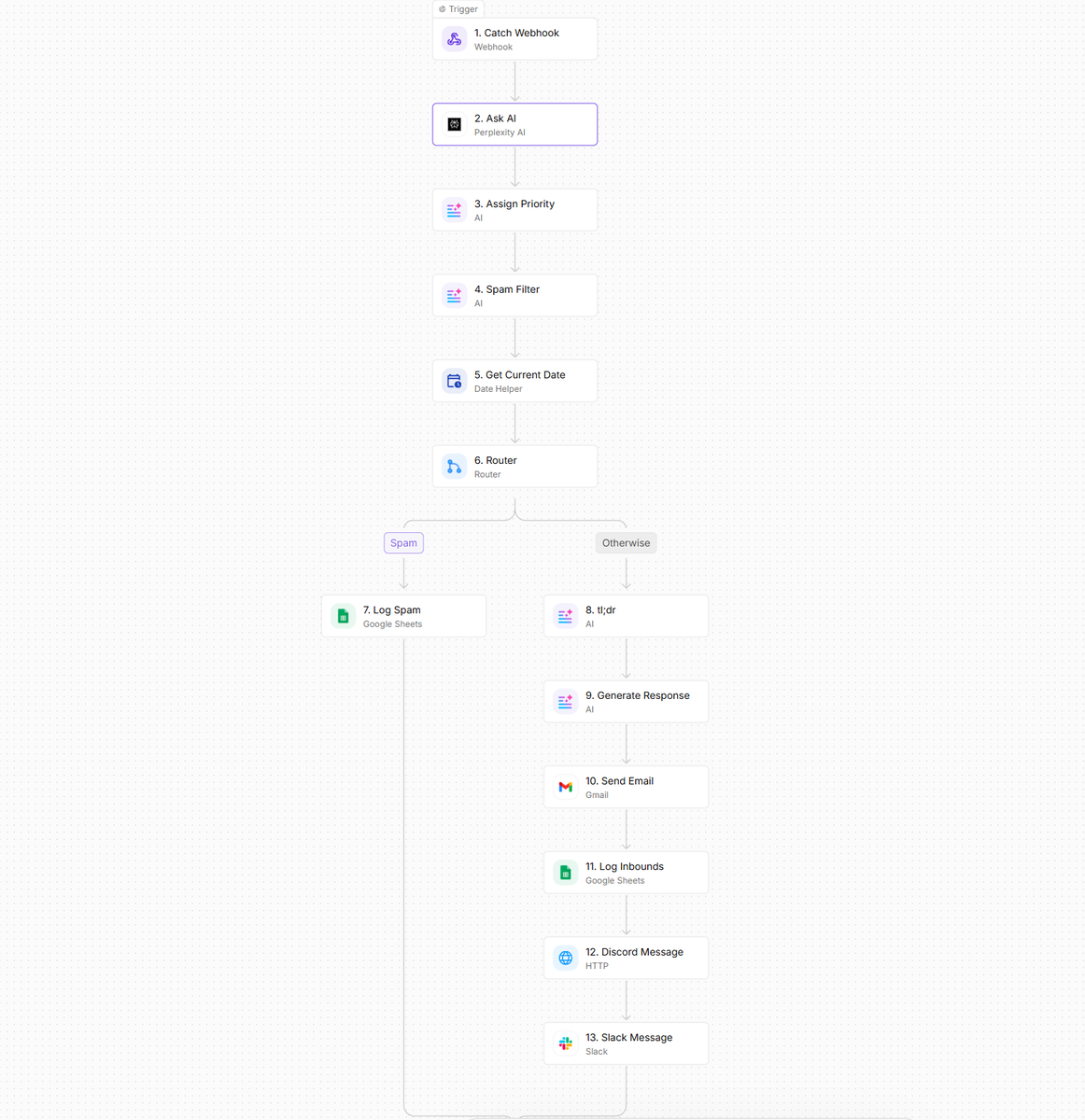
The inbound lead automation we run for a business (steal it): Trigger: form submission hits a webhook Step 1: Perplexity researches the company → 3-line summary Step 2: Claude reads the summary + their message + country → assigns priority: Low / Medium / High / 🔥Flaming Hot🔥 Step 3: Claude runs a spam check. Spam → logged to its own sheet, flow ends. No human ever saw it. Step 4: Real lead → one-line TL;DR, short personal reply drafted and sent via email Step 5: Everything logged. Lead lands in Slack with full context. Reply out in ~60 seconds. Team sees only qualified leads with research already done. Speed to lead wins deals. You don't need more people for it. You need this.

@danmall ·
Most “networking” is procrastination dressed up as a lead generation strategy. Coffee chats feel productive because they’re social and low risk. But they’re rarely tied to an offer, a buyer, or a timeline. If you don’t know who you help and what you help them do, networking just delays the real work. At best, you end up talking about the business instead of moving it forward. When you need money, networking is slow. You don’t need more conversations. You need paying business from people who already trust you. When you’re building your reputation and niche, networking only works if it’s targeted. Talking to the wrong people is just burning time politely. If the activity doesn’t directly connect to cash now or clarity later, it’s not strategy. It’s avoidance.

@riyaelity ·
I've shot ~200 podcasts and I've never talked about our Personal Branding services. Yet, somehow our podcasts have given us the maximum inbound leads for our business. People saw our team, our culture, how we think, and how we solve problems. By the time they reached out, trust was already built. If you want to build your personal brand on Instagram, ask yourself: Are you creating content to get views? Or are you creating enough moments for people to trust you?
 Watch video
@itsalexvacca ·
LinkedIn made us over $10M in pipeline. But it has a fatal flaw. You can't control who books a call from a post. A startup and a large enterprise both clicked 'Book a Demo.' One has budget. One wants free advice. Content is a megaphone, not a sniper. If you're not scoring inbound leads against your ICP before the rep picks up the phone, you're wasting your best seller's time on your worst-fit leads.

@ChrisLDyson ·
Most people start building an audience before they know how to sell to one. They go straight to passive. Content, audience building, waiting for people to come to them. Posting three times a day, optimising their profile, running ads to a lead magnet, building an email list full of strangers. All before they've figured out three things: Who actually buys. What gets them interested. How to turn a conversation into money. They think they've got a marketing problem. They've got a sales problem. And no amount of content fixes a sales problem. There are two games in lead generation. Active and passive. Active means you control the volume. You decide who you contact, how many conversations you start, and when. You initiate instead of waiting around hoping someone finds your content and decides to reach out. Passive means organic content, referrals, partnerships, visibility. People find you. They've already decided you're worth talking to before the conversation starts. Passive is better. Obviously. Warmer leads, less effort per conversation, higher trust before you even open your mouth. But passive has a problem. It doesn't teach you anything. You can build the most beautiful inbound machine on the planet. Leads flowing in, DMs pinging, calendar full. And if you don't know how to convert a conversation into an opportunity, all you've built is an expensive waiting room. Better leads won't fix a broken sales process. They'll just fall through it faster. Active is where you learn. It's where you find out what language makes people lean in. Where you discover which problems people will actually pay to solve versus the ones they just nod along to. Where you get punched in the face enough times to stop flinching. The reps matter. So does the rejection, and the awkward silences where you realise your pitch is wrong and you need to start again. That's where the skill gets built. Most people hate active because it's uncomfortable. Cold outreach, starting conversations with people who didn't ask to hear from you, getting ignored more often than not. So they skip it. They tell themselves passive is "smarter." And honestly, maybe it is, but only once you've earned the right to stop doing the hard bit. I closed over a hundred thousand in fourteen days using someone else's email list of 2,400 people. I didn't have an audience or a funnel. I had a list, a message, and the ability to turn a conversation into a sale. That didn't come from posting. It came from years of active. Years of starting conversations nobody asked for, failing at most of them, and getting slightly less terrible each time. The question you should be asking isn't "how do I get more leads?" It's this: Do I need control right now, or do I need visibility for later? If the answer is revenue now, active is the only game that makes sense. Conversations you can start today, with people you can identify today, about problems you can solve today. If you've already got the sales ability and you're trying to scale beyond your own outreach capacity, passive makes sense. Build the audience and let the content do the work over time. But if you're skipping to passive because active feels uncomfortable, you're not being strategic. You're hiding. And the market will find you out eventually. Because the leads will come, and you won't know what to do with them. Get good at selling first. Everything else gets easier after that.

@kaleighf ·
In Q2, I ran a partnership with AirOps. Here's what it produced: •84 leads •12 MQLs •$26,000 in converted revenue All of it tracked through UTM links they provided and attributed on their side. 14.3% of the leads I sent became marketing qualified, which is the ratio that tells you whether an audience is genuinely in-market or merely curious. Volume is easy to buy. A lead-to-MQL rate like that is a statement about who's on the other end of the post.

@ChrisClickUp ·
Marketing teams track dozens of metrics. Most of them are vanity. Here's the one that actually tells you if your content strategy is working. And almost nobody tracks it. It's called "content-sourced pipeline." Not "content-influenced." Not "content-assisted." Content-SOURCED. Meaning: the prospect's first meaningful interaction with your company was a piece of content. Not an ad. Not a cold email. Not a referral. They found you through something you published. Here's why this matters more than impressions, traffic, or engagement: - A blog post with 500 views that sources 3 qualified leads is infinitely more valuable than a post with 50K views that sources zero - Content-sourced leads typically close at 2-3x the rate of outbound leads because the prospect already trusts you before the first sales call - Tracking this metric forces your content team to think about who they're writing for, not how many people they're reaching How to actually track it: 1. Add "how did you hear about us?" to your demo form. Open text, not dropdown. People will tell you the exact blog post, podcast, or tweet. 2. Set up first-touch attribution in your CRM. Not last-touch (which credits the demo page). First-touch (which credits the content that brought them in). 3. Ask sales to note it in discovery calls. "What made you reach out?" is the most underrated question in B2B sales. 4. Review content-sourced pipeline monthly with your team. Kill what doesn't source pipeline. Double down on what does. When I started measuring this at ClickUp, it completely changed how we thought about content. We stopped chasing traffic and started chasing the topics and formats that actually brought in buyers. Our output went down. Our pipeline went up. If you only track one content metric, make it this one.


@alxberman ·
One thing I love about talking to users is I get to see exactly how people's companies work and what they need to grow. Usually it comes down to 3 main things: 1) Who is your target audience? 2) What is your offer? 3) What case studies do you have to back it up? The answers to those three questions will map out their (and your) entire marketing strategy... Are they a beginner with no case studies and experience? Or have they been selling this for 30 years and want to add cold email or linkedin outreach as a marketing channel? Either way - the answer is the same: you need people to pitch. And the quality of those people determines everything. Sometimes we get super lucky and you're missing a lead gen form on your site, or your VSL doesn't have a good hook, or any number of easy things... That lets you breakeven on your first month before you even really get started But sometimes - let's say 20% of the time - an easy tweak won't help and you have to move right into the hard work: Warming up domains, approaching your network and old bosses for work, cold calling, whatever it is And if that's the case - you just need to start Because sometimes, all you need is a little push to get going I've helped 14,000 clients (and counting) with lead generation over the last 8 years It's simple, it's necessary, and we've been doing this a long time. Here's your push: the ScraperCity Lead Database has 4 million+ verified B2B contacts. Answer those 3 questions above, pull a list that matches your target audience, and start sending today. Are you in?
@MakadiaHarsh ·
A service business can spend thousands on lead generation and still lose the job in five minutes. The ad did its job. The lead arrived. Then the phone rang while everyone was busy. That is not a marketing problem. It is an operations problem.

@DanielPriestley ·
When a new regulation drops, a new technology emerges, or a new trend starts to shift the ground under your industry, there's a question worth asking. Who in your space becomes the centre of that conversation? It's almost never the loudest voice. It's almost never the biggest brand. It's the one who organises the response. The person who runs the industry survey when the regulation lands becomes the person whose name comes up in every conversation about it. The person who publishes the report on what their peers think of the new technology becomes the reference point everyone else cites. They didn't have the most authority going in - they built it by being the one who put the questions on the table. A live survey isn't just a lead generation tool. It's a positioning move. It says: I'm the person collating the thinking in this industry, I'm the person asking the questions that matter, I'm the person you turn to when you want to know what's really happening. You don't need to be the biggest player in your industry to do this. You just need to be the one who builds the room first. Take part in our live State of Entrepreneurship 2026 benchmark and see what becoming the centre of a conversation can look like: https://t.co/cNi8925OFa
Best Lead Generation tweets
Xholic studies what works in your niche, drafts posts in your voice and schedules them for the hours your audience is online.
$0 today · Cancel anytime
Browse all tweet collectionsKeep exploring