Build trust through repeated engagement
Publish steadily, reply, ask questions, help people, and share honest progress—including mistakes—so followers have a reason to return.
46%
Best tweets about Audience Building
Discover the best tweets about audience building, including positioning, content, distribution, trust, community, retention, and sustainable growth.
Specific methods for earning attention, building trust, retaining followers, choosing channels, and turning reach into an owned audience.
Original Xholic analysis
Audience building here is less about accumulating followers than becoming useful to specific people: study their communities, publish original work, sustain conversations, and make it easy to stay in touch by email. Contributors disagree on whether the product or the audience should come first, but repeatedly distinguish attention from customer demand. (2066573793779175601, 2085062284842520857, 2085021259763773633, 2080270995647074319)
56% of posts
All-time engagement
52% of posts
Published in 90 days
Conversation map
Publish steadily, reply, ask questions, help people, and share honest progress—including mistakes—so followers have a reason to return.
46%
Choose a recognizable focus and create content around the intended audience’s problems and desired outcomes, not merely topics that generate broad engagement.
32%
Build knowledge through research and hands-on work, then share distinctive opinions, lived experience, useful artifacts, and lessons rather than recycled tips.
32%
Use conversations and content to test demand, shape products, and make clear offers; distinguish engaged buyers and customers from follower counts, impressions, and vanity traction.
30%
Use relevant social platforms, communities, search, collaborations, and referrals to reach people where they already spend time; adapt formats and channels to the audience.
28%
Convert platform attention into email subscribers or other direct relationships that remain reachable when algorithms, policies, or paid reach change.
20%
Reject rage bait, fabricated stories, and engagement farming when they undermine the trust needed to retain an audience and earn future business.
18%
Study where prospective readers or buyers gather, what they discuss, and which problems they care about; participate in those communities before distributing content.
12%
Tone and stance
Performance benchmark
Posts with media make up 26% of this collection. Their median all-time score is 5.09, compared with 13.2 for text-only posts.
Format mix
Consensus and debate
Shared view
Study what prospective readers or buyers discuss and where they already gather. Participate before sharing work made for those conversations; match distribution and messaging to the audience rather than posting everywhere indiscriminately.
Shared view
Research and hands-on work can supply distinctive lessons; replies, questions, honest progress, and consistent participation help turn posts into relationships. Contributors favor trust over rage bait or fabricated stories.
Shared view
Collect emails and keep talking to potential customers; use requests, access inquiries, or pre-orders to probe interest rather than treating likes as sales. The finance-site case describes community distribution feeding an email list.
Open debate
One playbook recommends building an audience and collecting emails before coding; another says define the offer first so content attracts likely buyers. A third proposes building the product publicly while watching for concrete requests.
Open debate
A narrow focus may help people know what to expect, but one contributor warns it can pigeonhole a creator; another argues for an audience interested in the person beyond a single topic. Both complicate the advice to repeat one recognizable subject.
What performs
In the supplied analytics, case studies have a median all-time score of 85.009 across 3 tweets; tutorials score 19.515 across 13, versus 9.96 across 26 opinions. These describe this sample, not a guaranteed format advantage.
The research-and-build content tutorial scored 359.12, or 32.35 times the sample median all-time score of 11.1. A community-first distribution case scored 131.55, or 11.85 times that median; neither result establishes why it performed well.
Statistical standouts
Creator landscape
The five most represented creators account for 16% of the selected posts.
1. Logan Gott
@LoganTGott
2 posts
2. Raksha Devi
@Rakshaweb3
2 posts
3. Dmitrii Volosatov
@volosatovde
2 posts
4. ᴢɪɢɢʏ †🧊
@0xZiggy_eth
1 post
5. Alex Finn
@AlexFinn
1 post
6. alexjm 🇺🇸
@alexjmingolla
1 post
Across two sampled posts, Logan Gott urges SaaS creators to address buyer pain and show outcomes, warning that DIY tutorials may attract builders rather than buyers. His supplied median all-time score is 18.92.
Dmitrii Volosatov’s two posts emphasize replies, questions, learning, mistakes, and showing up; Raksha Devi’s two distinguish a returning audience from passive followers and highlight honest failure. Their supplied median all-time scores are 15 and 20.56, respectively.
Since the previous snapshot
Themes, sentiment, stance, and post format are classified per tweet. All counts, shares, medians, creator concentration, freshness, and performance comparisons are then calculated directly from the published snapshot.
Xholic's all-time score compares engagement while accounting for reach, post age, and creator consistency. It is used for relative comparisons within this collection.
This report analyzes the exact 50-post snapshot shown below. AI identifies editorial categories and drafts explanations; all statistics are calculated from the snapshot, and every narrative claim is checked against cited posts before publication.
Best Audience Building tweets
Ranked 01–50

@EXM7777 ·
how to create top 1% content in your niche on X: feeds are flooded with slop daily, out of 10 posts you scroll there might be a single one you genuinely find valuable so if you want to be seen and have people engage with your content, do this: > actively research, study and BUILD stuff by yourself, don't recycle or repurpose what others are posting > use AI to capture the value from that work: a skill like /value-capture that turns a full session into an Obsidian note, exactly how you did it, the challenges, what didn't work... > turn these notes into content, repeat the process daily this is how you become an authority people respect, and how you build an audience that's more likely to buy from you then you set the trends, and everyone else recycles them


@JamesonCamp ·
I built a portfolio of finance websites to 2 million monthly readers and a $250K ad contract before spending a dollar on paid ads. Just me and a friend. A WordPress blog. And communities full of people nobody was talking to. Here's every step, in order: 1. Picked a niche where people are emotionally invested in the content. Cannabis stocks in 2017. People who own a stock check news about it obsessively. Up 20%? They want to read about it. Down 15%? They NEED to read about it. 2. Named the site MJ Observer. Built it on WordPress. Nothing fancy. 3. Before writing a single article, spent two weeks lurking in every cannabis stock community I could find. StockTwits. Facebook groups. Seeking Alpha comment sections. Reddit. Studied what people actually cared about. Which posts got the most comments. Which topics started arguments. Which stocks people were emotionally attached to. 4. Wrote our first articles specifically for those communities. The topics came directly from what people were already arguing about. 5. Posted the articles back into those same communities. Not as spam. As someone who had been participating for weeks. People recognized the username. 6. The content spread because it answered questions people were already asking out loud. We didn't create demand. We walked into rooms where demand was screaming. 7. Kept doing this every single day. StockTwits alone was driving thousands of clicks per post because the community trusted us. 8. Noticed Seeking Alpha had a contributor program. Applied and got accepted. Every article we published there linked back to MJ Observer. This alone drove 100+ new email subscribers per day. 9. Built a 40,000 person email list. Segmented it 200+ ways. Which stocks they owned. Which sectors they cared about. How often they wanted updates. That list did $2M in revenue over 12 months. 10. Realized we needed to raise money to go bigger. Pitched investors on the traffic numbers and the email list. Raised over $400K. 11. Used the money to hire writers. Not journalists. People who actually traded cannabis stocks and could write about what they knew. The content got better because the writers had skin in the game. 12. Expanded from one site to a portfolio. Same playbook every time. Find the community first. Lurk. Participate. Then publish content that serves what they already want. 13. Started launching new sites in adjacent niches. Finance. Small cap stocks. Medical Cannabis. Applied the same community and SEO strategy to each one. 14. The portfolio hit 2 million monthly readers across all sites. Biggest single ad contract was $250K+. 15. We paid ourselves $2K a month for over a year while the portfolio grew. Everything else went back into content and acquisitions. 16. Spun off sites from our own content. https://t.co/EgCBoXLNcs was one. When you write thousands of articles about cannabis companies, you end up mentioning rolling papers and bongs. So we launched a dropshipping site, hyperlinked to it from our articles, and it started doing thousands a month. 17. Sold the portfolio in 2020 for $31M. Mostly stock. The kind of deal where you sign papers and then wait to see if the stock holds. Our biggest client was already paying us so much that we pitched them to just buy us. They did. 18. The entire business was built on one insight: your customers are already gathered somewhere on the internet. Facebook groups. Reddit. Discord. StockTwits. The internet already organized them for you. Stop trying to build an audience from zero. Go find the room where they're already talking and give them something worth reading.

@GrammarHippy ·
How to build an audience to sell your product: 1. Ignore what you wanna sell. 2. Focus on who you want to sell to. Find their problems. And talk ABOUT THAT… …Without ever mentioning your product.

@ArcadiaGTM ·
We helped onboard 500k+ users for a client’s new launch. How did we do it? We started by mapping the audience first: – what they care about – where they already spend time – how they discover new products Then we built everything around that signal. Distribution, messaging, and creators were all aligned to the same intent. That eliminated wasted signups and low-intent traffic. When acquisition is built around the right audience, growth doesn’t need to be forced. It compounds.


@vheeorji22 ·
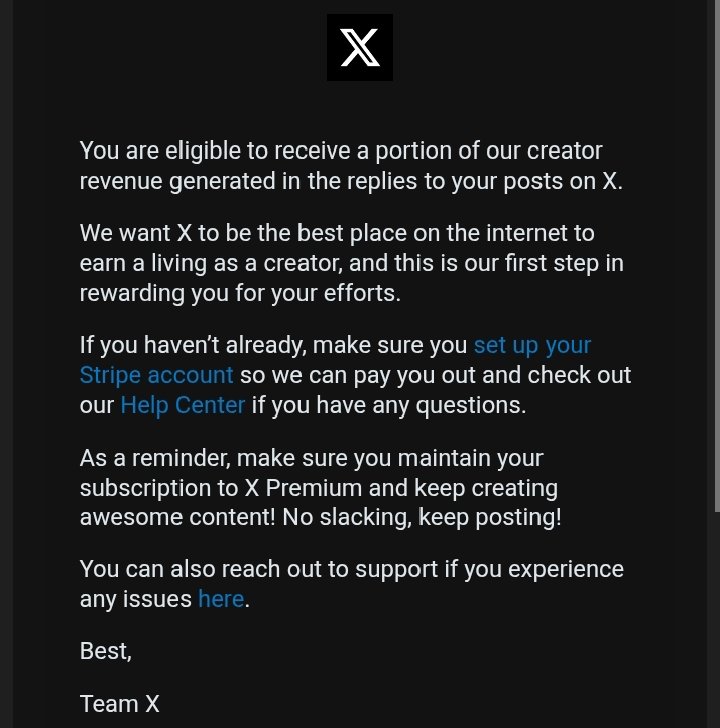
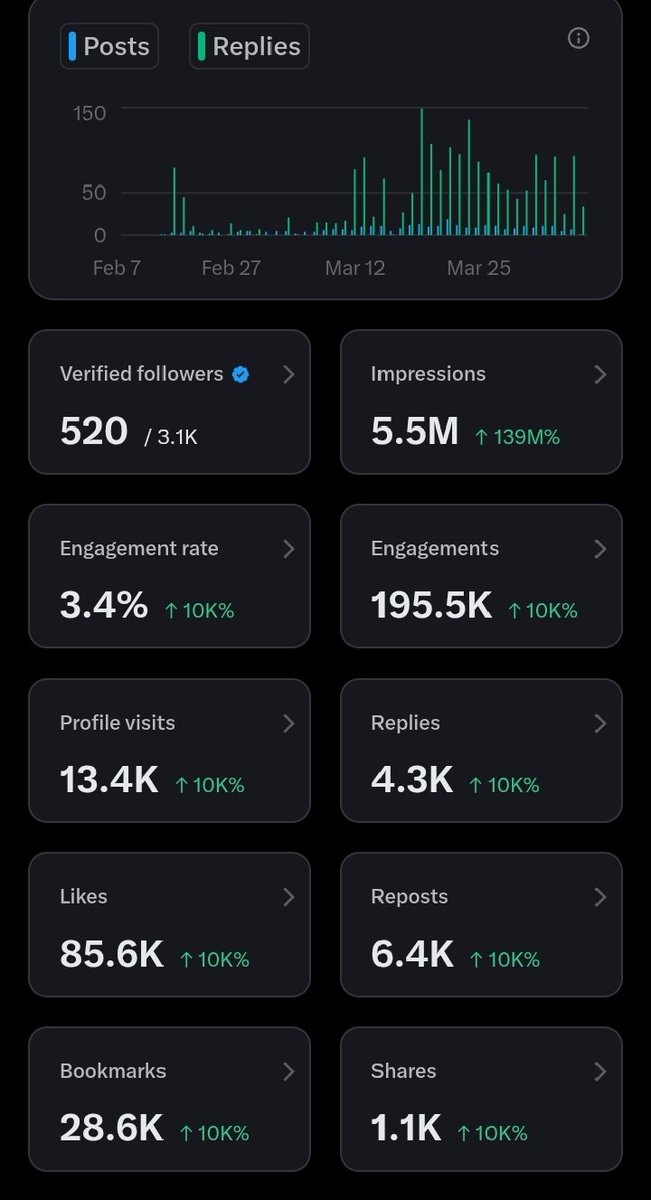
I just got monetized on X and I genuinely don't know how to put this feeling into words. A few months ago, I had no idea how X worked. I didn't know what to post, how to grow or whether anyone would even care about what I had to say. I was completely lost on this platform. Then @brightafia came in and changed everything. You sat me down and showed me exactly what to do how to position myself, how to show up consistently, how to build an audience that actually cares. That guidance was the foundation of everything I have built here. I took that direction and ran with it. I started learning data analytics in public, documenting every step, every win, every struggle and slowly, the people came. The engagement grew. The community formed. To everyone who has followed this journey from the beginning you are a part of this moment. Every comment, every repost contributed to this. This is what happens when the right guidance meets consistent effort. I am so grateful.


@pmitu ·
How to sell before you code: 1. Build an audience before a product (X + LinkedIn) 2. Share valuable content (around user pain you are trying to solve) 3. Grow a founder brand people trust (not anonymous account) 4. Become known for solving a specific problem (best case) 5. Start collecting emails from day one (and DMs) 6. Create a waitlist and measure real interest (use ready made template) 7. Talk to potential customers every week 8. Analyze competitors 9. Pitch the idea before writing a single line of code (type of validation) 10. Ask people to pre-order (with discount) 11. Turn conversations into customer research (collect everything in one place) 12. Build-in-public and share progress openly 13. Create a newsletter and own your audience (or YouTube) 14. Validate demand before building each feature most founders build first and sell later that's why most founders fail (0 audience at launch day) if nobody knows it before it exists, don't expect them to come right after release bookmark 🔖 to save the list

@Kelvincreates ·
One thing I understand about audience building Your content is the gate. It decides exactly who walks through. Post motivation and you attract people who consume but never act. Post about business and systems and you attract people who think and build. The algorithm just makes it easier. Your content does the choosing.

@nateliason ·
1. Expertise 2. Audience 3. Product This is the theory & model underlying Founders School and why we believe teenagers can become millionaires. 1: Expertise With the Internet + AI anyone can develop expertise on their own. They do not need a degree. Rather they need good research skills and a habit of turning what they're learning into artifacts (e.g. essays, posts, videos) that consolidate their knowledge. An active, not passive process, through which they're developing elite knowledge in a subject at record speeds. Not "studying." 2: Audience You do not need credentials in a subject if you can build an audience in it. The audience is the credential. Audience building is also how you test that you're developing real expertise. If you are not able to synthesize interesting insights or perspectives on a topic, no one will follow you or engage. Finally, an audience is how a teen with no capital can bootstrap a million dollar business. No need for insider connections or outside capital. 3: Product Through developing expertise and getting exposure to the market via your audience, product opportunities will naturally emerge. Most teens have bad startup ideas because they have no expertise, and no exposure to the world beyond their school. But these are solvable problems. Teach them how to develop deep expertise. Teach them how to build an audience around their knowledge. Then help them identify the best opportunity that emerges, and support them as they build a business from it.

@0xZiggy_eth ·
most people think being a creator is all about making content but that's only a small part of the journey, the real work happens behind the scenes when you're; ~ researching ideas ~ learning new skills ~ understanding your audience ~ building relationships ~ showing up consistently even when no one seems to be paying attention the truth is, not every post will perform well and sometimes your hardest work may somehow receive the least recognition that's normal, because growth is often invisible before it becomes obvious the creators who succeed today aren't always the most talented they're the ones who keep improving, keep creating value, and keep showing up long enough for people to notice in the end being a creator isn't about chasing views alone, or going viral it's about earning trust by consistently creating value that makes people want to hear from you again


@Nicolascole77 ·
You don't "build an audience." You build a valuable library of content in a category... that builds an audience. Don't confuse the outcome with the input.

@WrongsToWrite ·
"Give value" is the most common advice in content. It's also the most misunderstood. When that advice was written, "value" meant information. • Tips. • How-tos. • Frameworks. • Cringe top 10 hacks lists. If you had info your audience didn't, you had leverage. That game is dead. Anyone with a $20/month ChatGPT subscription can get any answer to any question in 6.9 seconds. Your "5 steps to grow on X" post? AI can write that shit (with more personality). It's simple supply and demand economics: Information = high supply and low demand. The value of info is at an all-time low. So how do you build an audience? Well, the same advice still works. "Give value." But "value" has changed. Value is no longer what you know. It's how you see. • Your take on why ___ is wrong. • Your story on how you lost a client. • Your opinion that makes Karen from HR lose her shit. People buy into who you are, not just what you say. Information economy rewarded research. Attention economy rewards perspective. So share the 1 thing AI can't compete with you on: Your lived experience.

@jonbrosio ·
I'm convinced you'll make more money from a 1000 sub email list Than a 100,000 follower audience Focus on audience efficiency Instead of audience growth

@OnatAksaray ·
Most people build an audience first then panic about what to sell it Do it backwards Build the offer first Then build the content on top of it Now every post points toward the thing you sell So when the offer finally shows up, nobody's surprised They saw it coming the whole time The offer leads The content follows

@Rakshaweb3 ·
I watched someone build an audience by doing the opposite of what personal-brand consultants recommend. Instead of "10 ways to X," she posted about the time she got it wrong and what she learned. One honest failure post got 3x the engagement of her polished tips. People trust the person who's willing to be vulnerable more than the person who looks flawless.

@LoganTGott ·
LinkedIn GTM Playbook (step 3) What to Actually Post: Most funded SaaS companies post team photos, feature announcements, funding news, and product updates, and then wonder why nobody cares. Those posts aren't inherently bad. The problem is when that's all you're posting. Two or three company update posts a week is not enough to build reach, grow an audience, or get favored by the algorithm. You need volume and variety, and the company stuff should be mixed into a broader content strategy, not be the strategy itself. The content mix that works: - ICP pain points, written directly about the problems your buyers are facing, not from a product angle but from a "here's what I keep seeing" angle - Case studies and results with real outcomes and specific numbers, not generic success stories - Lead magnets, more on these below, but these are your highest-engagement posts - Behind-the-scenes stories, how the company got started, what broke early, decisions that felt wrong but worked out - Industry news and trends with a real opinion, not a summary but an actual take on what's happening in your space and why it matters - How-to content breaking down how to achieve a specific outcome your ICP cares about, where your product fits in naturally as part of the process You can absolutely post the company updates, team photos, and feature releases. Just mix them in. Lead with the content that builds trust first.

@AlexFinn ·
Rage baiting has become a massive trend on this platform and it's really sad to see A guy who got a $10k ad rev check is now trying to piss everyone off. Y Combinator announced a fake AI tool that helps users gamble I can't stress this enough: buying into this trend is the STUPIDEST thing you can do The "all attention is good attention" mindset couldn't be further from reality What these people fail to understand is content isn't all about attention. It's also about trust. And the moment you lose trust nothing else matters. Ya getting angry clicks might make you $20 on your next ad revenue check, but next time you try to release a product, or ask for help, or drive attention to another platform, nobody is going to care. Nobody will be there for you. Bin Laden got a lot of attention, doesn't mean he could launch a B2B marketing SaaS and get any customers to buy. What you typically see from people who bought into this "all attention is good attention" mindset is they quickly burn out. The moment their rage post isn't viral anymore all their other content gets ZERO reach. That's because nobody cares anymore. You ruined your trust, and now your loyal audience is gone. The only way to properly build an audience that long term gives you reach and engagement is to build trust. Is to give value. Is to build real relationships. The worst thing you can do is let attention get to your head then chase it every chance you can get. Trust over everything.

@joncphillips ·
Everyone wants to "build an audience" but nobody wants to say anything that might piss someone off. That's why most content sounds the same. Safe takes get safe engagement. Strong opinions find your people.

@xjuanito ·
if I was 18 and broke today the first thing I would learn is how to grow X accounts for other people you'll learn distribution, audience building, copywriting and how attention works and people would pay a massive premium if you can do any of these well one of the first paying gigs I ever got was growing someone elses X account most of what I know about how to build a business came from years of doing this work for other people first its easy to get into, but very hard to get good at a high level here's how i'd do it: - consume a lot of valuable content that you like - learn copywriting from the greats ( Nicolas Cole, Dan Koe etc) - start writing manually (dont use AI until you know what good vs bad looks like) - start growing your X account in the process (content, replies, dms) - expect to fail a lot and for nobody to notice you - do this consistently for months - once you scale your X considerably, start offering to do it for other others - work only with people you like, pay you well and where you can learn from - use this as a springboard to learn what you're good at, what you like and what you can make good money from - leverage the connections, skills and people you've worked with in the process

@volosatovde ·
If you don’t have an audience, do this: 1) talking to people via DMs 2) reply to posts 3) ask questions 4) share what you’re building 5) share what you’re learning 6) share your small wins and also your mistakes. You build an audience by showing up before anyone cares.

@siddharthwv ·
To grow an audience: - Post platitudes - Spark controversy - Post fake stories using Claude To grow an audience that buys your stuff: - Post beliefs - Write to make an impact - Create growth + authority content. The second list helped me quit my 9-5.

@nic_detommaso ·
I did 4 years of investment banking before joining VC. But it’s not necessary to break in. Here’s how I’d approach VC recruiting today without an IB background (bookmark this): Write a thesis. Or two. Every VC who just broke in that I've spoken with in the last 6 months had 2-3 (!) written investment theses before any firm took them seriously. It’s simple: have a written perspective on where a market is going. That's what gets you discovered AND that's what gets you the meeting. Try this: Research publicly. Share your opinions as they form. Build your thesis out loud. Become a thought leader in the space you want to invest in. The VCs you want to notice you will notice you. Where to write this? I've been writing weekly on @beehiiv for 2 years and built an owned audience of 8,200+ people. Here’s why I chose them - 1) Their recommendations network and Boosts tool plug you into other newsletter audiences so you can grow from other writers (this helped me a ton) 2) You don't need to already be someone to start building. Starting from 0 is possible! The people who are struggling to break in are waiting for the right connection. The people who are ACTUALLY breaking in are writing newsletters as they research / form a thesis. They are letting their ideas do the networking for them. Be this person!! The #1 excuse I hear: "I don't have an audience yet." You don't need one to start. You need to start to get one. If you're serious about breaking into VC, stop waiting for the right intro. Start writing your thesis today.
@LoganTGott ·
If you sell SaaS or AI tools, your content is probably attracting the wrong people. Your buyers don't have time to build it themselves. They want the tool to handle it. But most founders post "how-to" content that teaches people to DIY the problem. So you build an audience of builders and freebie seekers. That's a course audience, not a SaaS audience. Post this instead: - The messy reality of the problem your product solves - Workflows that take 10 hours manually (that your tool does in 10 mins) - Case studies with numbers and outcomes Your content should make people think "I'd rather just pay for the tool."

@razvanfotia ·
Build your audience by: - posting - networking - engaging meaningfully Find the pain points by: - researching - getting on calls - running surveys Start creating your offer: - services - coaching - digital products Don’t get stuck in audience building.

@lukmanAufbau ·
The founders who build an audience do two things early: They publish before they feel ready. They write about the problem, not just the solution. Most people wait for proof. The ones who win start writing before they have any.
@Rakshaweb3 ·
Most people build a following. Few build an audience. Followers scroll past you. An audience waits for your next post. The difference? You made them feel something worth coming back for.

@khing_ladipoe ·
My Unpopular Opinion "Build in public" has become performative marketing. Half the internet is documenting startups that don't have customers yet. Founders are optimizing for impressions, founder-brand growth, and engagement farming instead of product-market fit. We've reached the point where some startups have: • Daily content • Viral threads • Podcasts • Communities And almost no revenue. The internet romanticized looking like a founder more than becoming one. Most of the legendary companies people admire today spent years building quietly before anyone cared. Attention is not traction. Followers are not customers. Visibility is not validation. Sometimes the smartest growth strategy is shutting up and shipping. @RallyOnChain what's your take? Have we confused audience-building with company-building?

@volosatovde ·
7 months ago I started posting on X every day. Looking back, it was one of the best decisions I’ve made. Not because every post went viral (Most of them didn’t...lol) because showing up here consistently helped me meet interesting people, find new ideas, get feedback, and even build new partnerships. That’s the real value of building in public: You don’t just grow an audience - you grow opportunities. And it all starts with one simple thing: showing up every day.

@HyperM0nkey1 ·
Distribution. An owned audience with no algorithm sitting between you and them. I post on X, TikTok, and Instagram. But honestly my first real users came from people I already knew or connected with. AI can generate content. It can't generate the people who actually care.

@thekchasiotis ·
15 things founders get wrong when they finally start posting on 𝕏: 1. they build an audience for a year and never once make an offer 2. they hide the price like it's a secret 3. they wait for people to magically ask to buy 4. they think selling once a week makes them look desperate 5. they post value, value, value, then go quiet 6. they never tell anyone what they do for money 7. they treat a call to action like a dirty word 8. they assume followers know how to hire them 9. they bury the offer in a link nobody clicks 10. they only sell when cash gets tight, then stop again 11. they confuse being liked with being bought from 12. they ask in the DMs but never on the timeline 13. they forget attention with no offer is just a hobby 14. they wait to feel ready instead of posting the offer 15. they build the whole machine and never turn it on

@Layton_Gott ·
Building an audience as a solo dev is brutal… You block off Monday to write a week of posts. Then Tuesday hits. Prod breaks. A feature slips. The video you promised never gets filmed. Support emails pile up. You forget about posting for a week and a half. Now engagement is completely gone. So you go hard, write 5 posts in a row, they all flop, and you quit. Meanwhile a worse product is in your audience's feed every day. Here's how to build an audience without it eating your week: → batch posts in one Monday session every week, not 15 daily minutes of slop → voice-note ideas between coding sessions → turn one real bug fix into 5 posts → fix your bio before driving any traffic to it → schedule ahead, you won't post mid-debug → sound like you explaining something to a friend, not a thought leader → post real receipts, token costs, failures, screenshots → reply to your comments, that's where it compounds → double down on what's already working → build in public while you build the product The audience compounds before you ship. I’ve seen so many devs quit right before it would've started working if they would have done those things.

@alexjmingolla ·
To build an audience on social media, you must either become “a guy” or “the guy” Option 1: post broadly about your life/talents/interests, giving followers a full picture of your personality and becoming “a guy” people want to connect with. Option 2: find one topic you know very well and obsess over it, becoming “the guy” for anyone interested in that niche. Option 1 is often more difficult to grow, but ultimately results in a highly engaged audience and valuable connections. Option 2 can be good for initial momentum and career progress, but risks getting pigeonholed and stagnating. Whatever path you choose, consistency will always be the key.

@irbaazkadri ·
Everyone I know is trying to grow an audience right now. Almost everyone is doing it backwards. They're posting around - polishing threads, chasing formats, optimizing the personal brand. Building a stage before they've given anyone a reason to watch. Here's what I've learned the hard way: Audiences aren't built by posting. They're built by providing value faster than anyone else around you. The math is brutally simple: → Share opinions → people borrow your perspective → Share knowledge → people level up because of you → Experiment in public → people learn from your results without paying your costs → Help the people already around you grow → they remember who did that Do this long enough and something shifts: You stop being "another account posting content." You become a trusted source. The person they check before deciding. That's not branding. That can't be faked with better hooks. And here's the compounding part nobody sees coming: When you finally launch something — you're not shouting into the void. You have an audience that wants you to win. They try it. They give feedback. They help you shape the product into something better than you'd build alone. Learn → teach → experiment → show. That loop beats "personal branding" every single time. Stop optimizing posts. Start handing out value. What's the most valuable thing someone shared with you for free?

@Coachbenjamin_ ·
Build an audience first, monetize later, That sounds smart... Until you realize you've spent three years attracting people who never intended to buy anything, Sometimes it's better to build an audience around buyers than build a huge audience and hope some eventually become buyers.

@Kavyabuildss ·
This founder thinks BUILDING IN PUBLIC is terrible advice for SaaS founders. he makes some good points. here's what happened: 1/ why it worked before >very few founders shared numbers publicly >growth stories felt authentic >audiences were easier to build >transparency was rare sharing your journey was a competitive advantage. 2/ then everyone started doing it >MRR screenshots everywhere >launch threads everywhere >daily updates everywhere the signal disappeared. the noise won. 3/ the biggest problem: >most of the audience became other founders founders got: >likes from founders >comments from founders >followers from founders but not necessarily customers. he argues many founders are building audiences... instead of building demand. 4/ public building has hidden costs >competitors see your roadmap >everyone sees your numbers >content starts influencing product decisions >5-10 hours every week disappear into posting eventually: you start optimizing for engagement. not customers. 5/ what he thinks works better >be active where your buyers already are >publish customer case studies >share industry insights >do highly personalized outbound >talk directly to potential customers less audience building. more customer building. my take: >building in public is still useful >but only if it's a byproduct of building >not the actual strategy too many founders today are getting validation from impressions instead of customers. a post getting 50k views doesn't mean the business is working. sometimes the founder with 300 followers and 30 paying customers is winning by a mile. the real takeaway: building in public worked when almost nobody was doing it. today, most founders are competing for founder attention. not buyer attention. and those are two very different games.


@dougsapps ·
my first real user found me through a reply i left on someone else's tweet. not my landing page. not my product hunt launch. a 12 word reply. audience building from zero is just being useful in other people's comments for months. #buildinpublic

@YouKnowEno ·
all that matters is attention and your ability to harvest it in the direction you want if you only get attention with selfies or a narrow topic you have an AUDIENCE problem not an ALGO problem 20K, 50K, 100K follower count is an illusion. they followed you for a specific reason. once you post outside of that niche your engagement will obviously tank. build an audience that respects whatever the fuck YOU have to say. this takes time. it also means your account will go through multiple stages of audience building. you got this!

@base_tube ·
If asking for a sub feels risky, the platform already has too much power. A creator should not have to wonder whether “like and subscribe” is an offense. That’s not audience building. That’s permission-taking. And it gets worse when one short clip can add 70k subscribers while the creator is still one policy mood swing away from losing the account. That’s rented reach in one sentence: you can grow on someone else’s system, but you don’t control how fragile that growth is. Creators need less guessing about what they’re allowed to ask for. They need a place where the relationship doesn’t depend on a platform deciding your access is too much. If your audience is the asset, the platform shouldn’t be the gatekeeper.
 Watch video
@sunilsinghme ·
Everyone is talking about AI agents building websites, apps, SaaS products, landing pages, and entire businesses. I think we’re focusing on the wrong thing. Building is no longer the hard part. A few years ago, if you wanted to launch a product, you needed developers, designers, infrastructure, and months of work. Today, anyone can open ChatGPT, Claude, Cursor, Lovable, Replit, Bolt, or v0 and have a working product in days, sometimes hours. The barrier to creation is collapsing. But the barrier to distribution isn’t. You can generate code. You can generate designs. You can generate content. You can even generate an entire startup. What AI can’t magically generate is attention. And attention is becoming the scarcest resource. The next generation of billion-dollar companies won’t win because they build better products. They’ll win because they build better distribution systems. The companies that master: • Audience building • Community creation • Trust • Brand • Partnerships • Network effects • Distribution channels will dominate markets where everyone has access to the same AI tools. We’re entering a world where products become commodities much faster than before. When everyone can build, the advantage shifts elsewhere. The moat is no longer “Can you build it?” The moat is “Can you get people to care?” The future belongs to founders who understand distribution as deeply as previous generations understood software engineering. AI is democratizing creation. Distribution remains the real game. And whichever company cracks AI-native distribution at scale may become one of the most valuable companies of the next decade.


@daniel_nguyenx ·
Building an audience doesn't guarantee success. But it does teach me an important skill: how to get attention. And as a byproduct, it forces me to learn all the relevant sub-skills: storytelling, clear communication, networking... So while I agree that audience building might not be the best strategy to promote your startup, it's still worth it if you're a new indie hacker. And if you're lucky (like me), you may even make a few friends along the way.

@nathanbarry ·
Some people build an audience to get their own personal ATM. Send an email, withdraw cash. Others view building an audience as an act of service. The second group will still be doing it 10 years from now. The first will fizzle out and pivot to the next thing.

@DougKennedy93 ·
Early on, I spent too much time trying to “grow an audience.” Should’ve spent more time building: → products → systems → a newsletter → repeatable distribution Attention without infrastructure disappears fast.

@ChrisClickUp ·
If I had to grow a B2B SaaS to 1,000 customers without spending a dollar on ads, here's exactly what I'd do: Month 1-2: Foundation - Build the founder's personal LinkedIn and X presence. Post 5x per week about the problem the product solves. Not the product. The problem. Share observations, frameworks, and opinions. Build an audience of people who care about the problem before you ever mention the solution. - Launch on Product Hunt and relevant community launch platforms. Not for the traffic. For the backlinks and the credibility. - Identify 20 communities where your ideal customer hangs out. Reddit, Discord, industry forums, LinkedIn groups. Join them. Answer questions. Be helpful. Don't pitch. Month 3-4: Content engine - Start publishing one long-form piece per week. Blog post or LinkedIn article. Target specific, intent-rich keywords your ideal customer searches when they have the problem you solve. - Repurpose every piece into 5-8 social posts, one email to your growing list, and one community post. - Start an email newsletter. Weekly. Short. Useful. Not a product update. A genuine value-add for people in your space. Month 5-6: Amplification - Reach out to 10 podcasts in your space. Offer to share a specific story or framework, not "promote my product." Podcast appearances are the most underrated B2B growth channel because they build trust over 30-60 minutes. - Launch a referral program for existing customers. Not "get $10 credit." Instead: "Get a free month for every customer you refer." Make it meaningful. - Create one free tool, template, or calculator that solves a specific problem. Gate it with an email. This becomes your lead magnet. Month 7-12: Compounding - By now your content is ranking, your founder has an audience, your email list is growing, and word of mouth is building. Double down on what's working. Kill what isn't. - Start partnerships. Co-create content with complementary products. Webinars, guides, joint research. - Turn your best customers into case studies and ask them to share on their own channels. This is slower than paid ads. But the customers you get this way have higher LTV, lower churn, and become advocates. Paid gets you renters. Organic gets you owners.


@shome_rajarshi ·
Sharing stories and motivational clips of the likes of Kela and Kedia may get you engagement on a few posts but nobody is going to take you seriously or ever buy anything from you. You don’t want to increase your follower count by becoming a marketing agents for the big investors. It looks cringe. Nobody wants to hear about them from you. Share real valuable content under your own name and build an audience who can trust you.

@kaleighf ·
I get pitched constantly by people who can grow my newsletter, my channel, my following. I take very few of those calls now, because the recommendation almost always comes down to the same thing: run Meta ads. Paid acquisition works, it's a real discipline, and people are good at it. My skepticism is that it's the wrong trade for what I'm building, and I say that as someone with a thin margin who genuinely cannot afford to be wrong about this. Paid acquisition converts cash into attention at roughly a fixed rate. You put in a dollar, you get a unit of reach, and when you stop putting in dollars, the reach stops. I'm funding my production out of my own pocket with money that hasn't arrived yet, so I don't have a dollar to feed a machine that gives it back as a rented impression. And what I'm building isn't a volume problem. It's a trust problem. The audience I care about (founders, VPs, growth leads making tooling decisions) doesn't convert on frequency. There's no CPM for credibility. There has to be a better way to build an audience than buying it, and I think the answer is that you earn your way into being cited by the AI systems people are actually asking.

@XholicAI ·
Most creators treat growing on X like a posting challenge. Post daily. Chase trends. Copy viral hooks. Growth is not that. Growth is a decision about what you’ll repeat until people remember you. You cannot become known without ignoring most topics. The creators who commit to that decision are the ones who build an audience that stays.

@Axel_bitblaze69 ·
One of the mistake you can make when building with AI is waiting until the product is finished to think about distribution. a better approach imo is to make distribution part of the build itself.. - find a real problem. - build the smallest useful solution. - document what works and what breaks. - watch which parts people respond to. - then keep building around those signals. every post now does 3 jobs: 1) it attracts people with the same problem. 2) it tests whether that problem is painful enough to matter. 3) and it creates proof that you can actually solve it. likes aren’t demand, of course.. but when people start asking for the workflow, requesting access or describing how they’d use it, you’re getting much closer. so you don’t need to build an audience before building the product.. instead building the product in public is how you create the audience.

@TeslaZoa ·
Although I live in South Korea, after years of consistent effort, I have been able to build meaningful connections and actively communicate with friends in the United States, Canada, Germany, and other parts of Europe. Simply writing posts in English does not automatically make your content visible to a global audience. Building relationships with users around the world and establishing global reach within the algorithm requires a great deal of time, consistency, and genuine engagement. However, X’s recent creator revenue-sharing model appears to place greater value on impressions generated within a creator’s country or region of residence. As a result, because I live in South Korea, I now find myself in a position where I may have to post in Korean rather than English if I want to prioritize monetization. I truly value the current balance of my global engagement. I enjoy communicating in English with friends around the world, and I hope to continue the relationships that I have worked so hard to build. Unfortunately, the current revenue-sharing model is making that increasingly difficult.


@ItsThomAnt ·
Good growth on X: - Useful ideas - Honest writing - Real conversations Bad growth on X: - Chasing trends - Copying everyone - Begging for attention I just hit 5,000 followers. Small milestone, big reminder: Ordinary people can build an audience by being consistently useful. https://t.co/A7sAB0FBpg

@wealthyshezzy ·
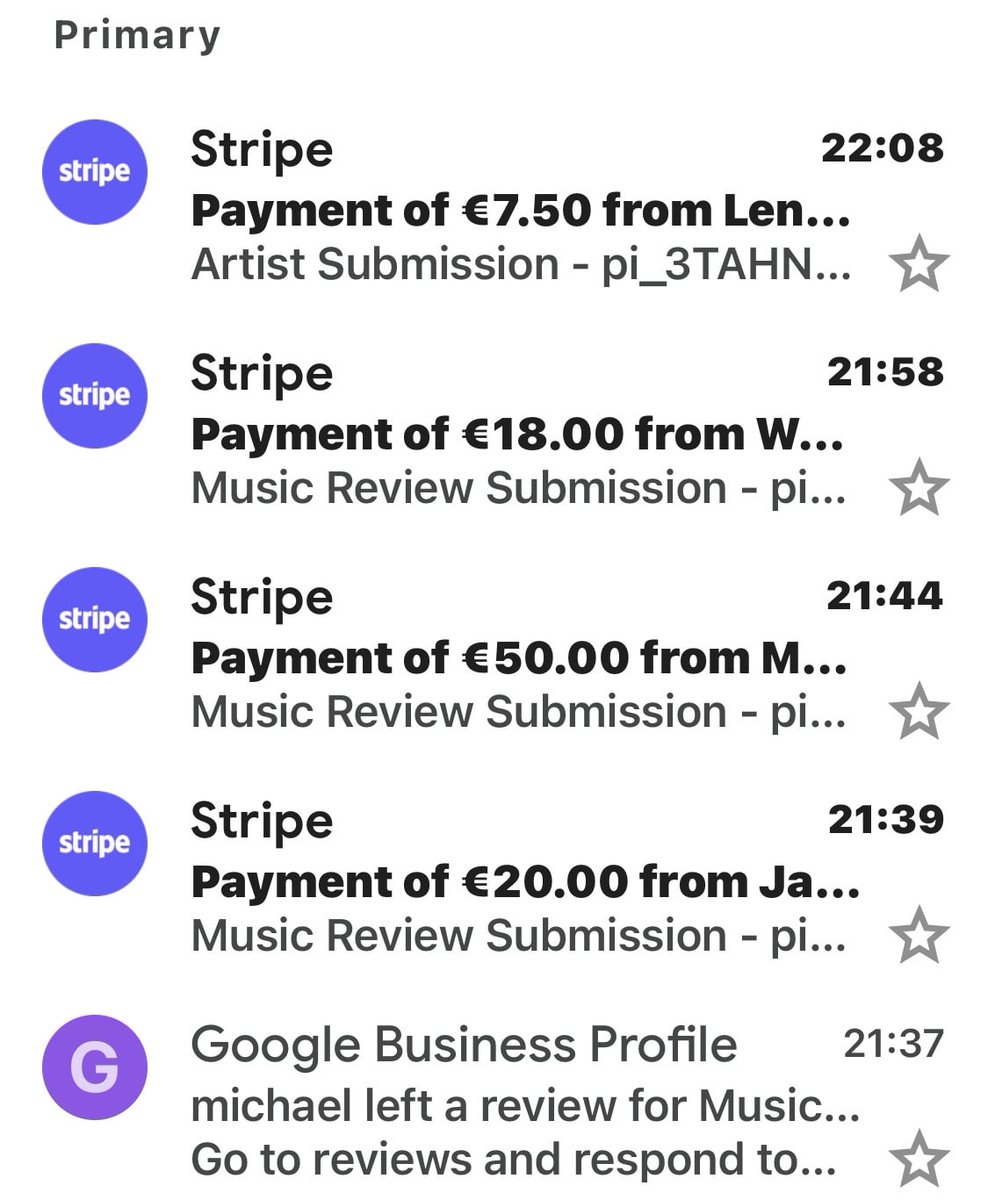
Sent a simple email to the Music Review World list with a discount code. Minutes later… Stripe notifications started rolling in. €50 €20 €18 €7.50 And the surprising part? Some artists didn’t even use the code. They just submitted their music anyway. This is the power of an owned audience. Algorithms fluctuate. Ads get expensive. Platforms change rules. But an email list lets you press one button and reach people who already trust you. If you run a music platform, SaaS, or any online business: Start building your email list yesterday. #buildinpublic #musicreviewworld

@theinformation ·
Creators with big followings “are no longer reaching their audiences reliably” @beehiiv CEO @denk_tweets says. “And so I think that is why newsletters are so powerful. The owned audience and distribution is really valuable in this new ecosystem.” Beehiiv has also recently launched social tools for creators.
 Watch video
Best Audience Building tweets
Xholic studies what works in your niche, drafts posts in your voice and schedules them for the hours your audience is online.
$0 today · Cancel anytime
Browse all tweet collectionsKeep exploring