AI search visibility and citation optimization
Optimizing for AI Overviews, ChatGPT, Perplexity, Gemini, and other answer engines through citable content, entities, technical markup, and visibility tracking.
44.8%
Best tweets about Agentic SEO
Explore the best tweets about agentic SEO, featuring autonomous research, content operations, technical audits, workflows, safeguards, and measurable results.
SEO agents and agentic workflows with clear tasks, tools, human oversight, safeguards, operating costs, limitations, and demonstrated outcomes.
Original Xholic analysis
Discussion of agentic SEO emphasizes connected workflows for research, content production, publishing, and diagnostics. The supplied posts also repeatedly describe review gates, structured inputs for AI-facing search, and limits where customer context or strategic judgment is needed.
79.3% of posts
All-time engagement
100% of posts
Published in 90 days
Conversation map
Optimizing for AI Overviews, ChatGPT, Perplexity, Gemini, and other answer engines through citable content, entities, technical markup, and visibility tracking.
44.8%
Persistent skills, specialized sub-agents, MCP/API connectors, task decomposition, review queues, and structured workflows turn SEO methodologies into repeatable systems.
37.9%
Agents research competitors and SERPs, build briefs and content maps, draft or refresh pages, add on-page elements and links, and publish through CMS workflows.
34.5%
Posts stress review gates, editorial judgment, brand and customer context, failure checks, and deliberate handoffs rather than fully autonomous SEO.
31%
Search agents increasingly parse APIs and structured data, monitor options, recommend products, book services, and transact via protocols such as MCP, WebMCP, A2A, and UCP.
27.6%
Multi-agent systems audit technical, on-page, schema, backlink, local, and AI-search readiness, or analyze Search Console data to identify causes and prioritized fixes.
20.7%
Agents use SEO APIs, SERP data, competitor data, Search Console, real-time trends, social discussions, and first-party signals to discover opportunities and trigger actions.
20.7%
Systems generate and maintain large page sets from keyword patterns and templates while using uniqueness, indexability, and quality controls to avoid thin content.
6.9%
Tone and stance
Performance benchmark
Posts with media make up 58.6% of this collection. Their median all-time score is 18.7, compared with 6.66 for text-only posts.
Format mix
Consensus and debate
Shared view
Posts describe persistent skills, specialist agents, and connected tools that break research, writing, auditing, and publishing into repeatable stages rather than one-off prompts.
Shared view
Posts frame AI-search optimization around citable content, entity signals, technical markup, parseable information, and visibility tracking—not conventional rankings alone.
Shared view
Examples describe agents conducting competitor and keyword research, creating content maps and drafts, publishing through CMS APIs, refreshing content, and analyzing Search Console data.
Shared view
Several posts describe review queues, self-audits, scoring rubrics, failure checks, or human approval gates as parts of their workflows.
Open debate
One post says AI can review better than many SEOs, while others argue that agents struggle when taste, customer context, or contingent strategic judgment is required.
Open debate
Posts promote rapid publishing and programmatic systems, while cautionary posts argue that ungated autonomous content can be low quality and that thin programmatic pages may be ignored.
Open debate
Agent-facing APIs, feeds, and structured data are presented as new optimization surfaces; a separate post flags problems involving pricing and first-party sites.
What performs
Deterministic analytics reports 17 posts with media (58.6%). Their median all-time score was 18.691, compared with 6.66 for text-only posts.
The three highest-scoring outliers covered a competitor-to-content workflow, reusable Claude SEO skills, and reported operational changes using AI agents. Their all-time scores were 279.19, 216.28, and 141.08, respectively.
Among the supplied themes, SEO audits and Search Console diagnostics had the highest median all-time score: 24.28.
Statistical standouts
Creator landscape
The five most represented creators account for 34.5% of the selected posts.
1. Aleyda Solis 🕊️
@aleyda
2 posts
2. Cody Schneider
@codyschneider
2 posts
3. Corey Haines
@coreyhainesco
2 posts
4. Jan-Willem Bobbink
@jbobbink
2 posts
5. Marie Haynes
@Marie_Haynes
2 posts
6. Semrush
@semrush
2 posts
Cody Schneider’s two posts describe API-driven research, publishing, and refresh workflows. Aleyda Solis’s two posts focus on agentic commerce and direct-action search implications.
Corey Haines’s posts present AI-search and programmatic-SEO skills. Another post describes custom persistent skills connected to MCP tools and includes a self-audit QA gate.
Jan-Willem Bobbink’s GSC-agent post specifies two modes, reported per-query costs of about $0.003 and $0.04–0.06, caching, and an estimated personal-use cost of $5–15 per month.
Since the previous snapshot
Themes, sentiment, stance, and post format are classified per tweet. All counts, shares, medians, creator concentration, freshness, and performance comparisons are then calculated directly from the published snapshot.
Xholic's all-time score compares engagement while accounting for reach, post age, and creator consistency. It is used for relative comparisons within this collection.
This report analyzes the exact 29-post snapshot shown below. AI identifies editorial categories and drafts explanations; all statistics are calculated from the snapshot, and every narrative claim is checked against cited posts before publication.
Best Agentic SEO tweets
Ranked 01–29

@codyschneider ·
you can just remix all your competitors website content in a weekend now with an SEO agent how find your 10 competitors find their sitemaps build a composite database of all their pages build a content map of what you should write about research what is ranking page one for target kewyords competitors content is targeting use data for seo API to find all this data include a 30 minute transcription of your opinion on the industry in the source material write the articles and landing pages publish all this content in one shot every month refresh the content based on content gap analysis, and the related search console data you're now competing with your competitors on SEO and AI search

@Charles_SEO ·
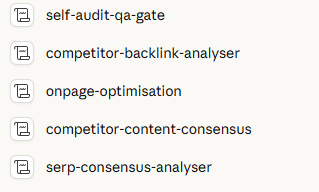
What Claude skills are you using for SEO? Here's my FULL, custom built stack for reverse engineering SERPs to building the most detailed briefs you've ever seen... These aren't generic prompts, they're custom Skills I built specifically for how I do SEO, loaded into Claude as permanent tools (Connected to things like Ahrefs MCP) that run every time I need them: 1. SERP Consensus Analyser 2. Competitor Content Consensus 3. OnPage Optimisation 4. Competitor Backlink Analyser 5. Self-Audit QA Gate The key insight most people miss about Claude Skills: They're not prompts... They're persistent, reusable systems with specific methodologies baked in. Every skill has its own file with best practices, output formats, and decision logic with corresponding MCPs/Connectors. I built these over months of iteration! - SERP Consensus → Content Consensus → OnPage Optimization is a full content strategy pipeline. - Competitor Backlink Analyser feeds my link building campaigns. - Self-Audit QA Gate ensures quality control on everything. This is what I mean when I say AI makes good SEOs faster 🙌 It doesn't replace the strategy, it automates the execution of a strategy that took 17 years to develop. What skills are you running? Genuinely curious what other people have built already 👀

this viewer made over $500,000 from seo before graduating. here's what he's doing differently than most agency owners in 2026: 1. he picks under-saturated local niches on purpose. not window replacement in Dallas where you're fighting for 6+ months. tax firms, HR companies, white collar services — markets where the top competitor has 10 reviews max. results in 2-3 months. 2. he shows clients wins in month one, not month six. even if it's just "someone clicked from a keyword search." business owners don't need leads day one — they need proof something is happening. that kills churn. 3. 80% of VA work is cooked. he's already cut most of his VAs and replaced them with AI agents. content creation went from a week-long process to 30 minutes. reporting went from 4 hours per client to 30 minutes. he has an AI agent named Karen that schedules all monthly reports. 4. for AI search (ChatGPT rankings), local is way easier than national. run up a Reddit thread, a Facebook group post, optimize the GBP with reviews — and ChatGPT suddenly has four places to pull your client's data from. 5. the common denominator of everyone he's seen succeed: they don't overthink. they follow the checklist. if something breaks, they figure it out. that's it. watch/listen here
 Watch video
@tibo_maker ·
ngl I've been mass-testing AI agents across all my products for the last 2 weeks tried to replace entire workflows. customer support, content generation, SEO audits, social scheduling here's what I found: agents are insanely good at tasks with clear inputs and outputs. content drafts, data extraction, competitor analysis. like 90% as good as a human, 50x faster but they still completely fall apart when context matters. when you need taste. when the answer is "it depends" I watched an agent confidently give a user the wrong Outrank plan recommendation 3 times in a row because it optimized for the metric instead of the actual need so painful to watch 😅 my take: the best AI-native products in 2026 won't be "fully automated" anything they'll be the ones that figure out the exact moment to hand control back to a human that handoff is the whole product
@codyschneider ·
if you're a marketing agency owner and trying to reduce headcount you need to be deploying marketing agents they can run facebook ads create statics with nano banana and seed dance 2, both on kie ai upload via marketing api to ad account tun off losers, promote winners, remix winners repeat google ads research keywords using data for seo api upload keywords and create campaign via google ads api negative keywords, move search terms in similar families to ad groups, moving winning keywords to winners campaign SEO / AI search research keywords with dat for seo api research articles with serper api record clients unique perspective as transcript write articles based on transcript and serper research publish via api to your CMS refresh articles based on live search console data and content gap analysis data reporting build data pipeline and data warehouse have your coding agent oneshot dashboards, be able to do conversational analytics to answer client questions and write / send weekly reports automatically if you want to do this more below

@aleyda ·
💸 Agentic Commerce: What SEOs Need To Consider (ACP & UCP) - Excellent analysis by @alexmoss going through: How SEOs must now include the agent as an additional consideration, taking into account that AI agents don’t browse pages but instead query APIs, parse product feeds, and evaluate structured data. Learn about: * Areas to consider for Agentic Commerce Optimization * https://t.co/toxTERq5bE being The Glue * Testing The Agents * What can you do about it now? More! Check it out: https://t.co/evBXVuRXXB


@coreyhainesco ·
I built a skill that optimizes content for AI search engines — Google AI Overviews, ChatGPT, Perplexity, Gemini, and Claude. It audits your AI visibility across platforms, structures content for citability, builds entity authority signals, and implements the technical markup AI systems look for. Traditional SEO gets you ranked. AI SEO gets you cited. A well-structured page can get cited even from page 2 — AI systems select sources based on content quality and structure, not just rank position. It's called /ai-seo and it's part of Marketing Skills — a free, open source collection of 40 marketing skills for AI agents like Claude Code, Cursor, and Codex. npx skills add coreyhaines31/marketingskills
 Watch video
@Suryanshti777 ·
Everyone is still using AI like a chatbot. Meanwhile, a few people quietly turned Claude into a full marketing department. And the gap is getting unfair. Here’s the exact workflow: 1) Brainstorm AI generates campaign angles, asks clarifying questions, locks the brief. 2) Plan Breaks everything into bite-sized tasks with exact deliverables. 3) Execute with sub-agents • Researcher → trends, keywords, competitors • Writer → posts, emails, blogs • Editor → brand voice, scoring, review • Publisher → format, schedule, ship Each agent runs independently. No context pollution. No chaos. 4) Review Everything gets scored against your brand rubric. 5) Verify + Ship Final voice check → publish → results saved to memory. The crazy part? You only create a few skill files: • copywriting.md • seo-audit.md • social-post.md • cold-email.md • brand-voice.md Now every run gets smarter. This isn’t “using AI.” This is building an AI marketing team. Most people will keep prompting. A few will build systems. Those few will dominate reach in the next 6 months.


@Marie_Haynes ·
The traditional web of human browsing is ending and being replaced by the Agentic web. Google has outlined several new AI protocols that we need to understand including MCP, A2A and UCP. WebMCP will allow agents to use the functionality of your website without even rendering the pixels on the screen. In this article I share how Google is transforming Search into AI Search and why this is the biggest opportunity in SEO since the invention of the Search engine. https://t.co/4E1VXkvniI

@jbobbink ·
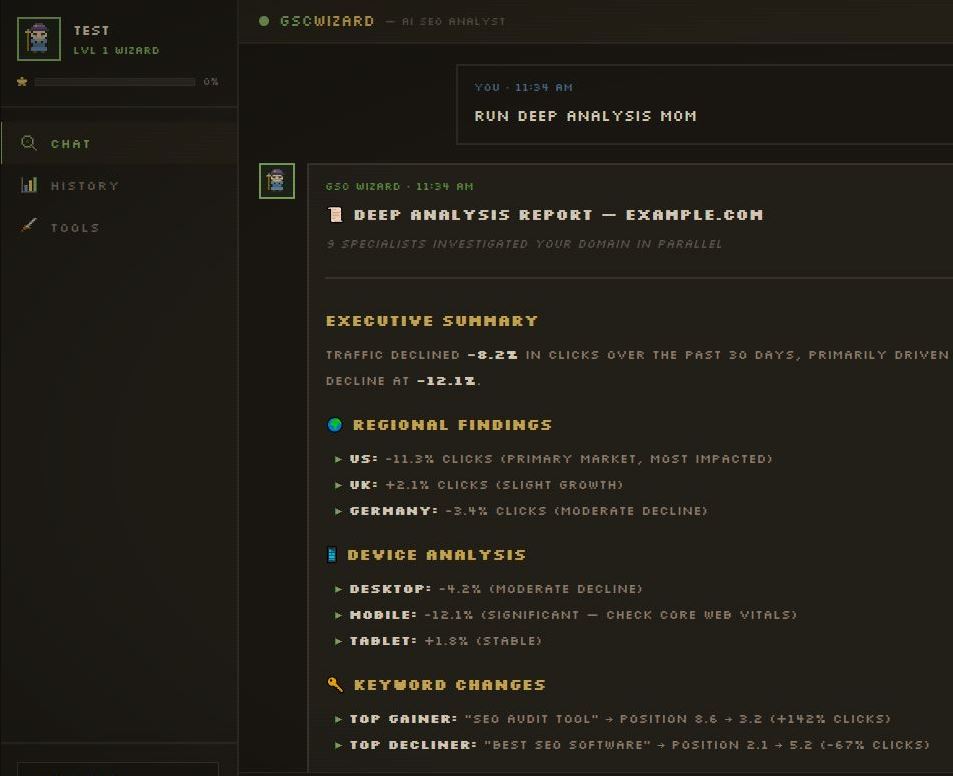
I wanted to test why the AI in GSC is so useless. So I built a GSC agent with 16 subagents of my own. Weekend mornings are for gaming. Mine just happen to involve Google Search Console. I connected Google's Agent Development Kit and Gemini 2.5 to GSC and built what I call GSC Wizard. Instead of clicking through dashboards, you just ask it questions in plain English: "Why did we lose traffic last month?" or "Show me my top 20 keywords." It runs in two modes. Simple mode uses a single Gemini Flash agent. You get answers in 2 to 5 seconds for about $0.003 per query. Deep analysis mode is where it gets interesting. 9 specialist agents investigate your site in parallel. Regional traffic. Device splits. Brand vs non-brand. Keyword cannibalization. Striking distance opportunities. Bencmarking and Low-CTR pages. Content decay. Query decay. SEO experimentation measurements. Then a synthesis agent connects all the dots into one executive report with root causes, regional breakdowns, and a prioritized recovery plan. Under 15 seconds. Costs: ~$0.04–0.06 For the kind of analysis that used to take me a few hours in spreadsheets or Looker dashboards. The key difference from just dumping data into ChatGPT: the LLM never sees your raw data. The backend processes millions of rows server-side and sends compact summaries. Smart caching through Firestore means no redundant API calls. Estimated cost for personal use: $5 to $15 per month. I have never had this level of diagnostic power at my fingertips. Google gave us an AI chatbot that selects date ranges for you and nobody asked for. Maybe what we actually needed was AI that reads our own data and tells us what to fix. But to be fair, that would be an expensive tool. Open to feedback from fellow SEOs who want to use something like this. What questions would you ask your SEO agent wizard?
@aleyda ·
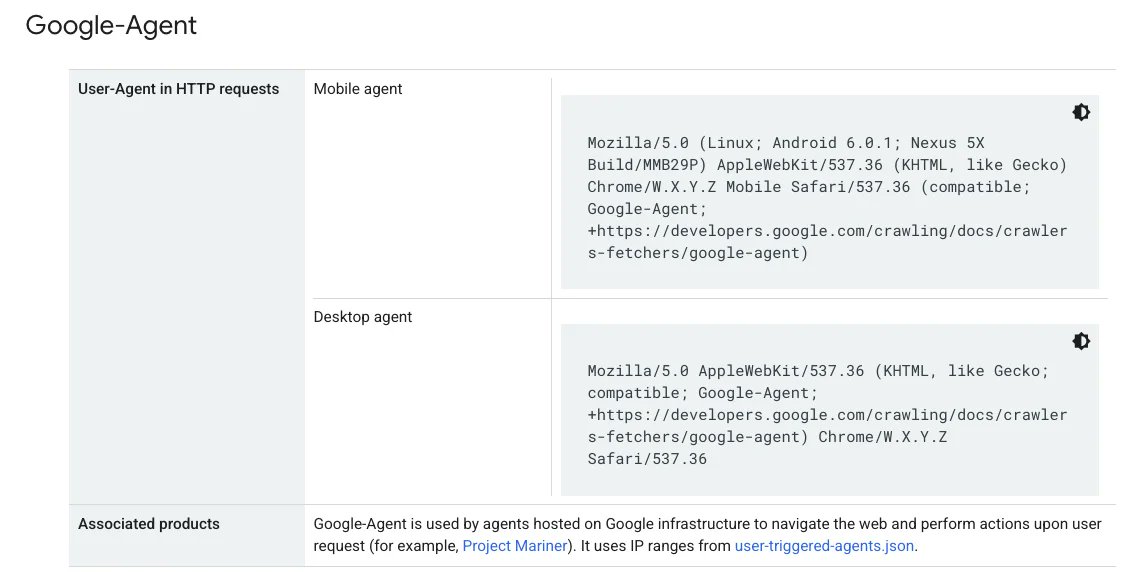
🤖 This week Google announced a new user agent just for agents - @Marie_Haynes covered this release in a must read piece: Why Google’s New “Google-Agent” is the Biggest Mindset Shift in SEO History, the web is becoming agentic and why this is the most exciting time to be in SEO: "...it is the biggest opportunity we have seen since the invention of the search engine itself. WebMCP and UCP mean we are no longer just optimizing for clicks; we are optimizing for direct action, frictionless commerce, and automated lead generation." Read: https://t.co/ripghS7O0R

@fba ·
I'm installing SEO agents for my own wordpress websites. With this, I don't need a person to review anything, since AI is going to be able to review it better than most SEOs I know. Also, it does light rewrites of metas and pushes draft to further review by me p.s. am still a brutal editor.


@illyism ·
The new Agent A by @ahrefs is a pretty easy way to use the MCP / API I tried this prompt and it made a full PDF report 👇 Let's do a blog SEO audit - grab our top pages filtered on /blog - for each top keyword, grab the volume x cpc to calculate potential max value and sort the most valuable 10 blog posts - for each of those blog posts, check our seo title, description, word count, etc - then grab the top 10 SERP for the keyword, and compare us against higher ranking blog posts and tell me how to improve Need to think of better prompts 🤔


@brodieseo ·
Fascinating AI SEO read on where agents can get stuck on your website. Including details of how pricing breaks first-party sites, hidden pricing, along with the core reasons for why they fail. → Where AI agents get stuck on your site via @Kevin_Indig https://t.co/qTllIJgb2z

@coreyhainesco ·
I built a skill that designs programmatic SEO strategies — pattern identification, data sources, template design, quality controls, and technical SEO for pages at scale. You describe your domain and it identifies keyword patterns like "best X for Y" or "X in [city]," designs templates with unique value per page, and handles the technical SEO to keep thousands of pages indexed. Programmatic SEO can 10x your organic traffic, but most attempts create thin content that Google ignores. This ensures every page earns its place in the index. It's called /programmatic-seo and it's part of Marketing Skills — a free, open source collection of 40 marketing skills for AI agents like Claude Code, Cursor, and Codex. npx skills add coreyhaines31/marketingskills
 Watch video
@johncalhooon ·
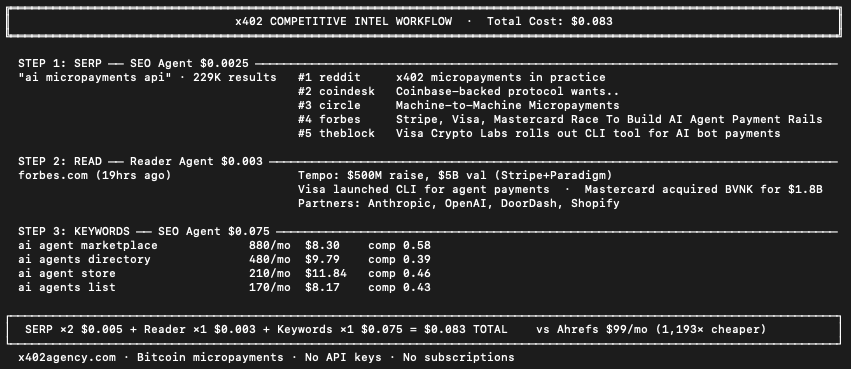
New workflow I've been running: 1. Claude researches my competitors → x402agency SEO Agent ($0.0025) 2. Reads their landing pages as markdown → x402agency Reader Agent ($0.003) 3. Finds keywords I'm missing → SEO Agent ($0.075) What it found: - Forbes: "Stripe, Visa, Mastercard Race To Build AI Agent Payment Rails" - Stripe raised $500M at $5B for agent payments - Visa launched a CLI for AI bot payments - "ai agent marketplace" = 880 searches/mo, $8.30 CPC Total: 8 cents. Ahrefs charges $99/mo for this. No logins. No API keys. Just Claude + micropayments. This is what "agentic" actually means... not chatbots with personality, but autonomous tools with wallets.

@Hartdrawss ·
we kicked off two $10,000+ client builds this week in spaces most agencies haven't touched yet. here's what the strategy and the architecture actually looked like. AEO pipeline for a US family office: Ahrefs flagged something recently that stopped me mid-scroll - websites with zero traditional SEO indexing are getting cited in AI search results. no backlinks. no domain authority. none of the signals that have mattered for the last decade. we're building directly into that gap. - two models, two jobs. Exa for competitor research, claude sonnet for articles. they don't talk to each other - two api calls stitched by a postgres review queue - couldn't return valid json when content is html - delimiters and regex extraction instead - cron fires daily, one article per call, human review gate at every stage - fully autonomous content in prod without a human gate = garbage indexed on google autonomous lead scoring and outreach agent for a B2B SaaS founder from Norway : most people don't realise twitter's algorithm isn't rule-based like every other platform. it runs on Grok. fully autonomous. that changes what you can reverse engineer from reply data entirely. - grok fast at temp 0.2 for ICP scoring. threshold at 6 to qualify - grok for context pull once the lead is qualified - full conversation history, signals, intent - llama-3.3-70b at temp 0.75 for DM generation using that context - low temp = consistent scoring. high temp = messages that don't all read the same - scores and messages render live over SSE while the stream runs both builds started on paper. not in a terminal. the most interesting decisions this week weren't about which models to pick. they were about where to keep the human in the loop and where not to.



@aigleeson ·
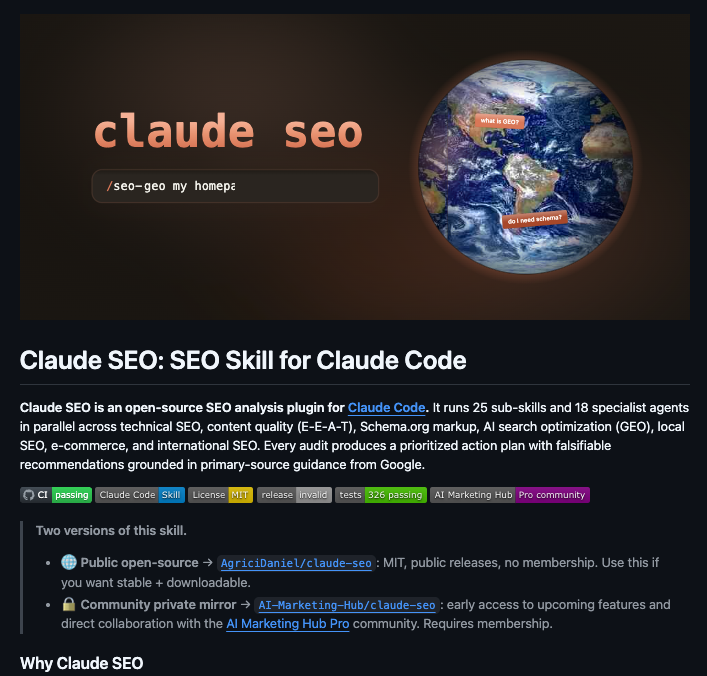
I FIRED MY SEO AGENCY AFTER FINDING THIS. It's called Claude SEO, a free Claude Code skill that runs a full site audit in 10-15 minutes. This got 25 sub-skills and 18 agents. All running in parallel across technical SEO, schema, and AI search readiness. > Every recommendation ships with a "how would we know this failed" check > Detects and generates Schema. org markup automatically > Scores pages for AI Overviews, not just classic search > Local SEO layer audits Google Business Profile and NAP consistency > Zero API keys needed to start Nothing leaves your machine. MIT License. 100% Opensource. https://t.co/56FvVPpn3o

@natmiletic ·
Thinking about hiring an agency vs. automating SEO with AI? Here's what AI can do: • Write drafts • Suggest keywords • Speed up research Here's what it can't do: • Understand your actual customers • Build real relationships for links • Pivot strategy when needed Tools amplify talent. They don't replace it.

@connections8 ·
If I see one more "I replaced my entire SEO agency with 8 prompts" post, I’m going to lose it. 🙃 Let’s be real: The person posting it usually doesn’t work in SEO. They’ve never ranked for a slightly competitive keyword. There is never a long term SEO case study. AI is a helpful tool, not a magic "Rank #1" button. Replacing a team of experts with "AI slop" is a great way to watch your organic traffic pull a vanishing act. 📉 I know as I personally have 30 test websites, where I've been testing heavy with AI for 6+ years. Stick to quality strategy. Leave the magic prompts to the influencers who haven't seen a Search Console dashboard since forever.
@jbobbink ·
Your entire SEO strategy is based on outdated data. And your favorite keyword tool is the reason why. Every major data provider sells you the same thing: historical search volume. Averages based on months of old clicks and queries. Packaged in pretty graphs that make you feel like you know what's coming next. But you don't: you're looking in the rearview mirror while trying to navigate a highway that changes lanes every week. This is the shift most people miss. The tools we all rely on for keyword research are snapshots of where demand was. Not where it is right now. And definitely not where it's going. Think about it. Ahrefs, Semrush, Google Ads Keyword Planner, data4seo. They all pull from the same well: aggregated historical query data. Updated monthly at best. Sometimes quarterly. That works fine when search behavior moved slowly. It doesn't work when a single viral post, a breaking news story, or a new AI feature can reshape search demand overnight. So I changed my approach. I started building proactive agents that monitor live signals instead. Google Trends in real time. Social conversations on LinkedIn, Reddit, X. News cycles as they break. Comments and questions flooding into helpdesks and support tickets. That's where tomorrow's search volume lives today. Your customers are already telling you what they need. They're asking questions in your helpdesk. They're commenting on your social posts. They're filling out surveys and writing reviews. This is live intent data. Not 90-day-old averages. The SEO teams that will win in 2026 aren't the ones with the best keyword lists. They're the ones who build systems that listen to real-time demand signals and act on them before the competition even opens their keyword tool. You can even use it to automate internal linking. Historical data tells you what happened. Live data tells you what to do next. Stop planning your strategy with last quarter's numbers. Start building agents that predict the next wave before it shows up in Ahrefs.

@aaditsh ·
Bots used to be junk traffic. Now they can buy things. Every company has spent money trying to block bots. Captchas, rate limits, fraud detection. For 20 years, the playbook was simple: block everything that isn't human. But AI agents can browse, compare, and buy things on behalf of real people. That makes bot traffic valuable for the first time ever. I keep thinking about this. Your website is designed for a human who decides in 2 seconds whether to stay. An AI agent doesn't care about your hero image or your brand colors. It cares about structured data, clear pricing, and whether your product actually matches what its user asked for (and probably other things about your reviews, ratings etc). SEO was built around ranking for a human searching Google. Soon it'll be about making sure an AI agent picks your product when it's shopping for someone. I don't think most companies are thinking about this yet.

@GaryLHenderson ·
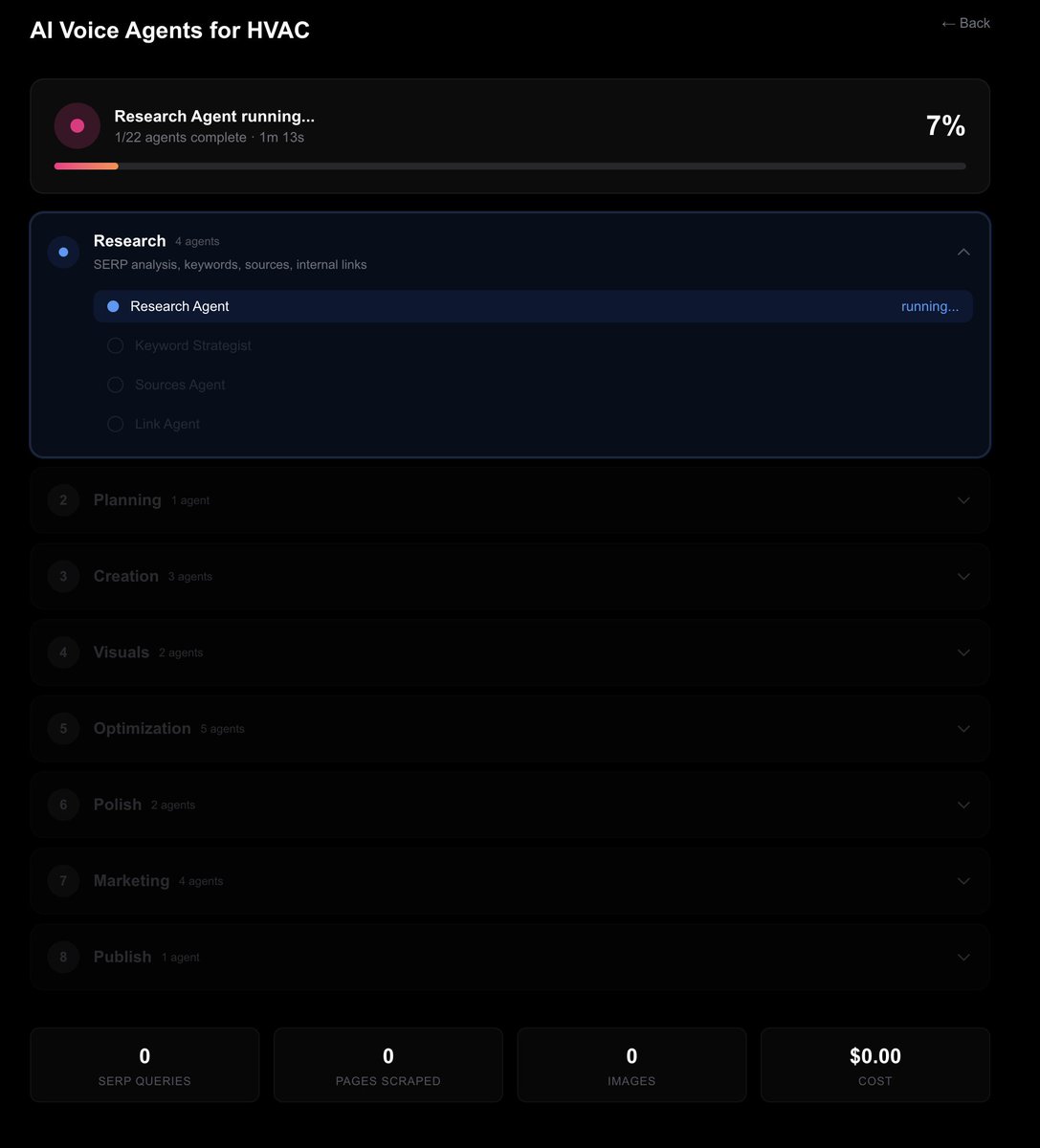
Build AI tools that you actually use! This is my Blog Writer that uses 22 different agents, crawls high ranking sites for our ideal keyword, and designs all images. All I have to do is give the seed topic

@semrush ·
Google announced new agentic capabilities coming to Search – including information agents that monitor the web on a user's behalf and Universal Cart that aggregates products from multiple retailers and services in one place. The bigger shift isn’t the feature set. It’s where Search is heading next: delegated decision-making and transaction execution. Information agents introduce persistent, query-based monitoring. That changes the optimization model. Brands now need to compete not just for discovery, but for continuous AI evaluation as pricing, availability, relevance, and product signals evolve over time. Universal Cart pushes commerce further into aggregated, AI-curated experiences. Instead of competing through isolated storefronts, retailers increasingly compete inside recommendation layers controlled by Search itself. As Google expands agentic experiences, the inputs behind visibility become even more important: structured product data, accurate merchant information, trusted third-party signals, and consistent brand authority across the web. https://t.co/v5yobPZXxz.
@semrush ·
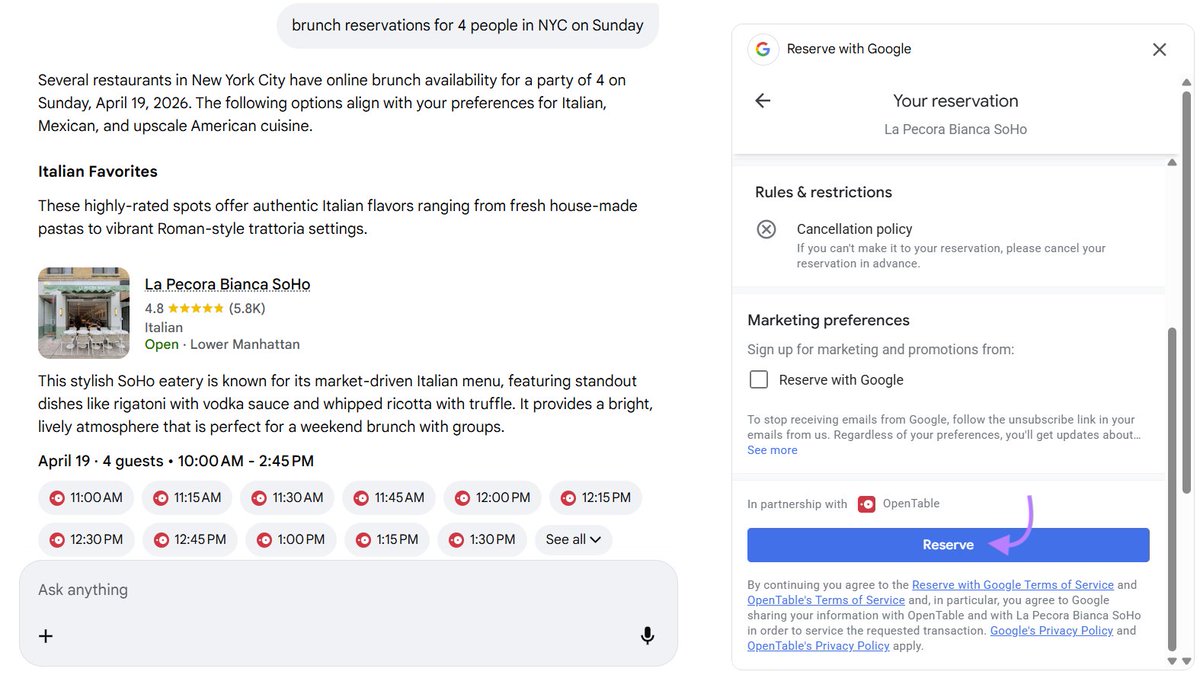
Google has made agentic restaurant booking through AI Mode globally available. Users can now describe what they want, and Google finds options, checks availability, and takes them straight to booking. The path from search to reservation is now a single interaction. This reflects a wider move toward agentic search, where AI retrieves, evaluates, and composes answers on behalf of users. Here's what you can do to optimize for the agentic era: • Ensure AI crawlers can access your site • Write content that’s easy for AI systems to parse • Clearly and consistently use entities • Manage your brand visibility • Track your AI visibility https://t.co/9z1zqSIPVV.

@sharyph_ ·
I Automated My 60-Minute Optimization Process to 60 Seconds Every week I spent over an hour optimizing blog posts: → Checking title lengths (under 60 chars) → Writing meta descriptions (155-160 chars exactly) → Creating URL slugs → Writing TL;DR summaries → Converting headings to questions → Adding answer capsules → Fixing hierarchy (H1→H2→H3) → Finding internal links → Writing alt text It was killing me. So I built an AI agent using Claude Code that does all of it. The process now: → Drop in my blog post → Run the agent → Get optimized content in 60 seconds Same quality. Zero manual work. This is what AI is actually for: eliminating tedious work you already know how to do. Not replacing your thinking. Automating your checklist. What repetitive task are you still doing manually that could be automated?
@Marie_Haynes ·
This week we saw so many things get set up as we transition to a new era of the web - the agentic web. I did something different with my newsletter this week. I asked Gemini to look at the transcripts from my client calls and Search Bar meetings and pull out the actionable topics I have been discussing. Then I used those to write a completely new kind of newsletter. If you don't have time to read the full blog post, here are the important things to know: →Search is becoming an "Agentic Manager": Search engines are shifting from simply providing information to utilizing agents that actually get things done. If your search clicks are dropping, it's not likely because of bad SEO. It's probably because AI Mode and AI Overviews answering questions directly. →Gemini in Chrome is transforming workflows: Deep browser integration now allows users to converse with AI across multiple open tabs. Skills let you save and reuse prompts to automate repetitive tasks directly in your browser. →Google's Antigravity is a massive leap forward: This powerful agent manager is proving incredibly effective for building apps and workflows through simple, conversational prompts. This is not a popular opinion, but I like it better than Claude Code and ChatGPT Codex. →UCP and WebMCP offer a competitive edge: Universal Commerce Protocol (UCP) and WebMCP allow AI agents to natively interact with your website's tools and eCommerce functions. Implementing these early will likely give sites a massive advantage as agentic search becomes the norm. →Website management is becoming AI-driven: The way we build and optimize sites is fundamentally changing. With new AI-native tools (like EmDash and Shopify's AI toolkit) and concepts like Andrej Karpathy's autoresearch, we are moving toward an era where agents can continually test, learn, and improve websites autonomously. Read the full newsletter here: https://t.co/IN1AMDarlk

@TopStockAlerts1 ·
Progress Software announced new agentic AI capabilities for its Sitefinity Generative CMS platform, introducing AI agents that operate directly within content workflows to handle optimization, review, analysis, and SEO tasks. The update is designed to help marketing teams streamline content operations, reduce manual work, and improve digital experience delivery. Key features include customizable AI agents for specific workflows, page-level intelligence that evaluates content and SEO performance, adaptive learning based on user feedback, and a DX Assistant that answers natural-language questions about content effectiveness and SEO gaps. Progress said the technology moves beyond AI-assisted tools by embedding AI directly into the publishing process. The platform also includes safeguards to prevent conflicting recommendations when multiple agents operate simultaneously. $PRGS

@JulianGoldieSEO ·
I BUILT A 4-AGENT SEO MACHINE THAT PUBLISHES RANKING CONTENT IN ONE CLICK One site hit 278 clicks per day. The workflow behind it is the part most SEOs are missing. The Results: → Website 1 grew from zero to 278 clicks per day → Website 2 climbed from zero to 74 clicks per day → Website 3 reached 28 clicks per day and is still growing The System: ✓ Hermes Oracle scans trending news and scores topics by interest and virality ✓ A keyword engine pulls Google Search Console queries getting impressions but no clicks ✓ A 13-step SEO skill writes personalized content using my experiments, dashboards and case studies ✓ Four agents quality-check, publish and submit every URL for indexing The Distribution: → One click deploys unique content across multiple WordPress sites → Internal links, external sources and cross-site references are added automatically → The same keyword becomes an edited video with an AI avatar and B-roll The real advantage is not publishing more AI content. It is combining fresh trends, private Search Console data and original case studies before competitors spot the opportunity.
 Watch video
Best Agentic SEO tweets
Xholic studies what works in your niche, drafts posts in your voice and schedules them for the hours your audience is online.
$0 today · Cancel anytime
Browse all tweet collectionsKeep exploring