50 Best Tweets About Machine Learning (2026)

Find the best tweets about machine learning, from models and datasets to training, evaluation, research papers, MLOps, and production systems.

Technical machine learning research, training, evaluation, data, engineering, deployment, and lessons from production.

Creators
44
Updated

What 50 top Machine Learning posts reveal

The feed emphasizes ML foundations, learning resources, and the practical lifecycle around data preparation, training, evaluation, deployment, and monitoring. Posts also surface a tension between increasingly autonomous ML workflows and the need for independent evaluation and deterministic verification.

Dominant tone
Positive

60% of posts

Median score
33.7

All-time engagement

Leading format
Announcement

56% of posts

Recent posts
46%

Published in 90 days

Conversation map

The themes creators return to

Model training and experimentation

Training workflows, hyperparameters, checkpoints, experiment tracking, optimization, fine-tuning, and reproducibility for ML and LLM development.

40%

ML foundations and core algorithms

Mathematical and conceptual foundations of machine learning: probability, Bayes, information theory, KL divergence, optimization, gradient descent, calibration, and classical/deep-learning model families.

36%

ML learning roadmaps and educational resources

Books, courses, visual notebooks, skill trees, and step-by-step paths for learning machine learning, deep learning, and language modeling.

34%

Evaluation, verification, and reliability

Model and agent evaluation, task metrics, calibration limits, safety checks, deterministic verification, explainability, debugging, and production failure modes.

32%

LLM and generative AI engineering

Building, fine-tuning, evaluating, and serving LLM applications, including embeddings, RAG, tool calling, agents, tokenization, quantization, and inference optimization.

20%

MLOps and production ML systems

Production lifecycle design for ML systems: CI/CD, training pipelines, model registries, monitoring, serving, continuous retraining, and operational reliability.

16%

Tone and stance

Sentiment Positive leads
Author posture Supportive leads

Performance benchmark

Median likes
60
Median reposts
13
Median replies
5
Median views
6.9K

Posts with media make up 74% of this collection. Their median all-time score is 38.7, compared with 24.8 for text-only posts.

Format mix

  • Announcement 56% · score 26.7
  • List 20% · score 46.8
  • Tutorial 18% · score 75.9
  • Question 4% · score 4.64

Where creators agree, and where they do not

Shared view

Foundations remain a prominent learning topic

Bayesian reasoning, gradient descent, optimization, and first-principles visual materials are recurring topics in the feed’s technical learning content.

Shared view

ML is presented as a lifecycle

Several posts describe ML work from problem definition and data preparation through training, evaluation, deployment, monitoring, and retraining.

Shared view

Data quality is framed as upstream work

Production-oriented posts discuss data contracts, validation, curated data, feature stores, and drift monitoring, with data-quality controls placed before training and feature serving.

Shared view

Training operations support reproducibility

Posts discuss logging hyperparameters and periodic evaluations, resuming from checkpoints, testing training pipelines, model registries, and retraining triggers.

Open debate

Autonomous research versus independent verification

Posts about AI Scientist describe automated research workflows and peer-review-related milestones. Separate agent-evaluation commentary argues that systems should be evaluated as a model-plus-harness and checked with deterministic mechanisms outside the agent’s control.

Open debate

General LLM capability versus domain-specific design

A financial-ML post argues that off-the-shelf LLMs can confuse salience with materiality in financial tasks, while describing task-specific training and structured expectation modeling as approaches that improved results in the author’s prototypes.

Open debate

Complexity versus debuggability

A Google Search discussion notes that simpler linear systems can be easier to understand and debug than complex ML systems. Other posts describe agent systems that automate experimentation and parts of the ML lifecycle with human oversight at strategic points.

Patterns behind standout posts

Tutorials have the highest format-level median score

Tutorials have a median all-time score of 75.896, compared with 46.78 for lists and 26.72 for announcements. Tutorial evidence includes a Bayes explainer and visual ML notebooks.

Statistical standouts

  1. View standout post 1 Score 1458.3 · 43.31× median
  2. View standout post 2 Score 1240.3 · 36.84× median
  3. View standout post 3 Score 1144.1 · 33.98× median
  4. View standout post 4 Score 685.3 · 20.35× median
  5. View standout post 5 Score 468.1 · 13.9× median

Who shapes this conversation

The five most represented creators account for 20% of the selected posts.

  1. 1. Vaishnavi

    @_vmlops

    2 posts

  2. 2. Aurimas Griciūnas

    @Aurimas_Gr

    2 posts

  3. 3. BURKOV

    @burkov

    2 posts

  4. 4. Shalini Goyal

    @goyalshaliniuk

    2 posts

  5. 5. Towards Data Science

    @TDataScience

    2 posts

  6. 6. Tivadar Danka

    @TivadarDanka

    2 posts

Aurimas Griciūnas links MLOps and data design

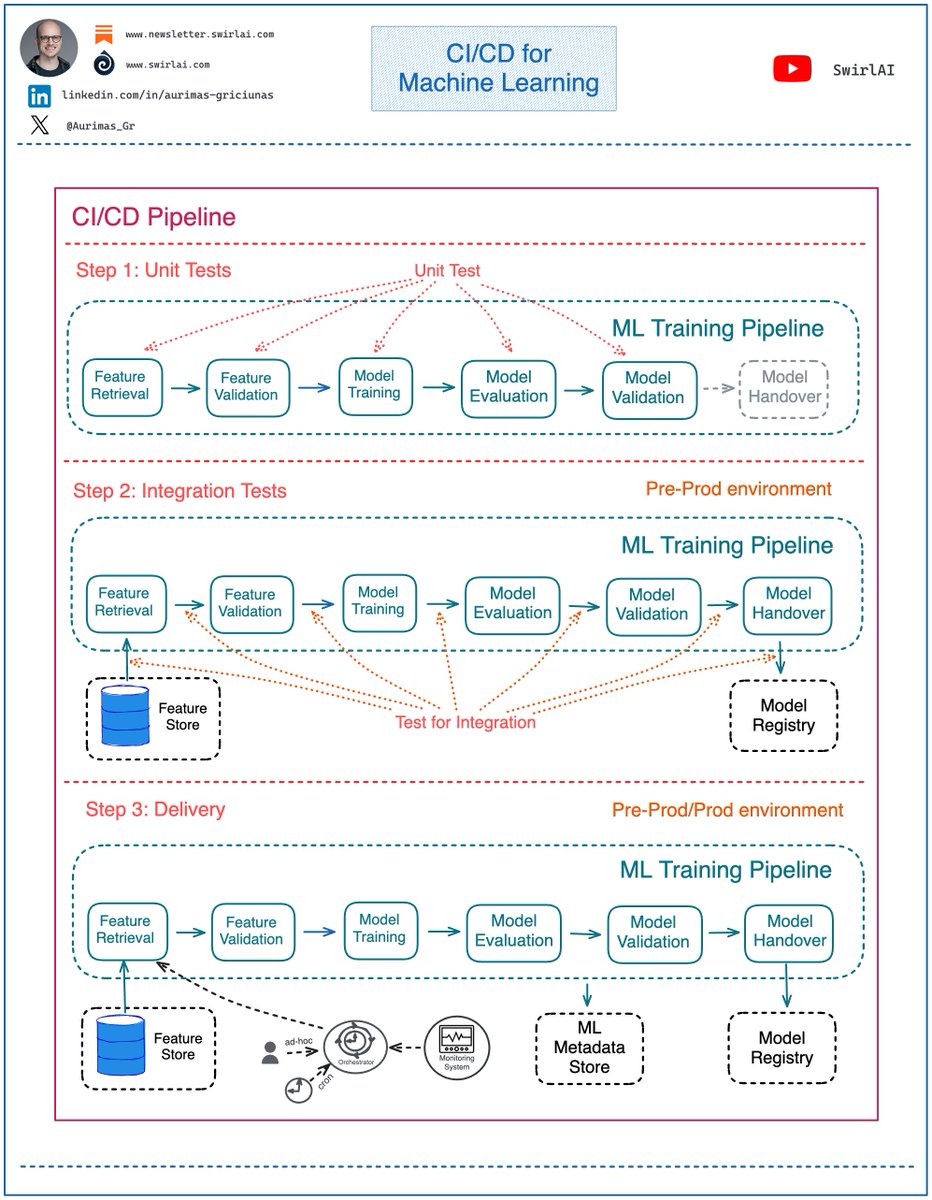
Aurimas Griciūnas’ two posts discuss ML CI/CD and training-pipeline artifacts alongside data contracts, feature stores, validation, and drift.

Vaishnavi covers fundamentals and ML systems

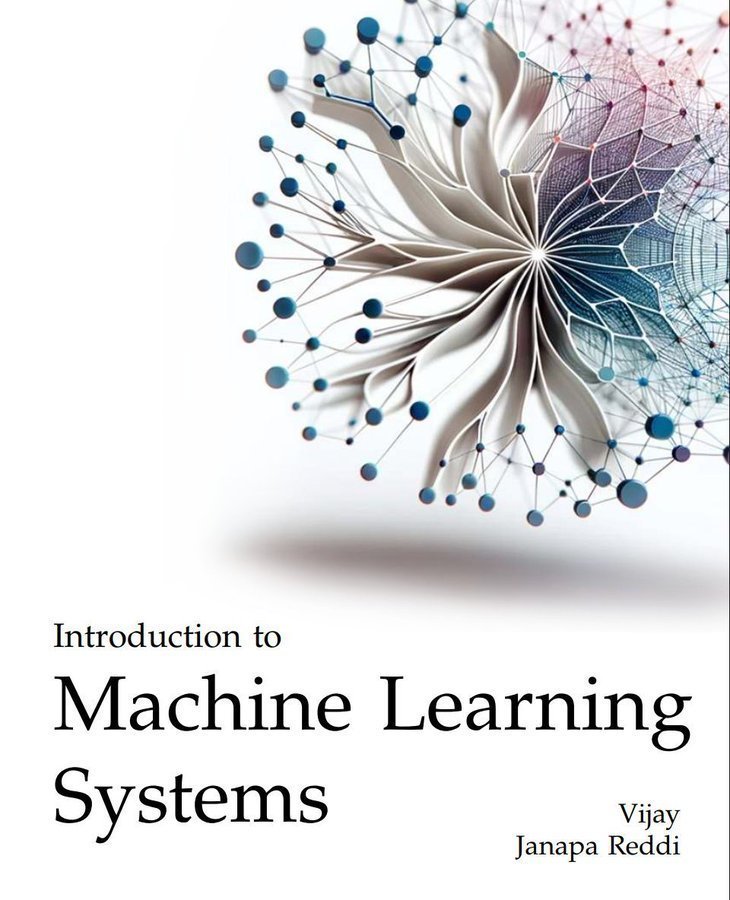
Vaishnavi’s posts highlight visual notebooks that derive ML algorithms and a curriculum covering systems infrastructure, hardware limits, and simulation.

Andriy Burkov’s posts emphasize code-first LLM learning

Posts about Andriy Burkov’s language-model book describe a concise, incremental path from earlier language-model approaches to Transformers, with PyTorch and Google Colab examples.

Since the previous snapshot

What changed since Aug 12, 2026

  • 70% of the selected posts remained.
  • The creator count changed by 0.
  • The leading sentiment remained stable.
How this analysis was made

Themes, sentiment, stance, and post format are classified per tweet. All counts, shares, medians, creator concentration, freshness, and performance comparisons are then calculated directly from the published snapshot.

Xholic's all-time score compares engagement while accounting for reach, post age, and creator consistency. It is used for relative comparisons within this collection.

This report analyzes the exact 50-post snapshot shown below. AI identifies editorial categories and drafts explanations; all statistics are calculated from the snapshot, and every narrative claim is checked against cited posts before publication.

Top Machine Learning tweets from 44 creators

Ranked 01–50

  1. 01

    @jahirsheikh8 ·

    You’re not an AI Engineer until you understand these terms: • 🧠 Embeddings → Numerical meaning of text/data • 🔍 Vector DB → Similarity search storage • 📚 RAG → Retrieval-Augmented Generation • 🎯 Fine-Tuning → Task-specific model training • 🪶 LoRA → Lightweight fine-tuning method

    • 37 Replies
    • 129 Reposts
    • 1.2K Likes
    • 57.9K Views
    View on X
    Rewrite this post in your own voice and angle. See the hook, structure, and reusable template behind this post.
  2. 02

    @Zachly ·

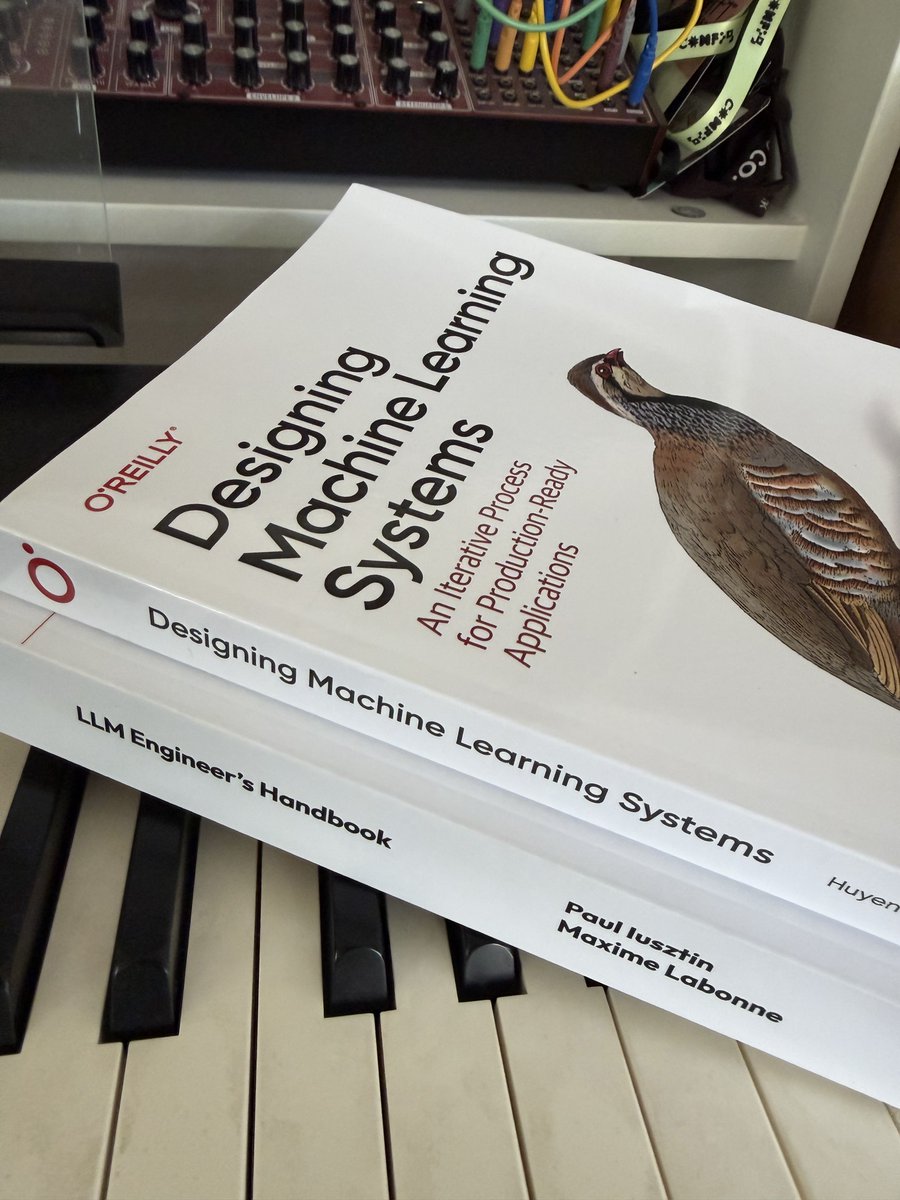
    You only need to read four books to truly get what’s going on in ML and data engineering: - Fundamentals of Data Engineering by Joe Reis - Designing Data Intensive Applications by Martin Kleppmann - AI engineering by Chip Huyen - Designing Machine Learning Systems by Chip Huyen

    • 20 Replies
    • 119 Reposts
    • 1.1K Likes
    • 43.2K Views
    View on X
    Rewrite this post in your own voice and angle. See the hook, structure, and reusable template behind this post.
  3. 03

    @techNmak ·

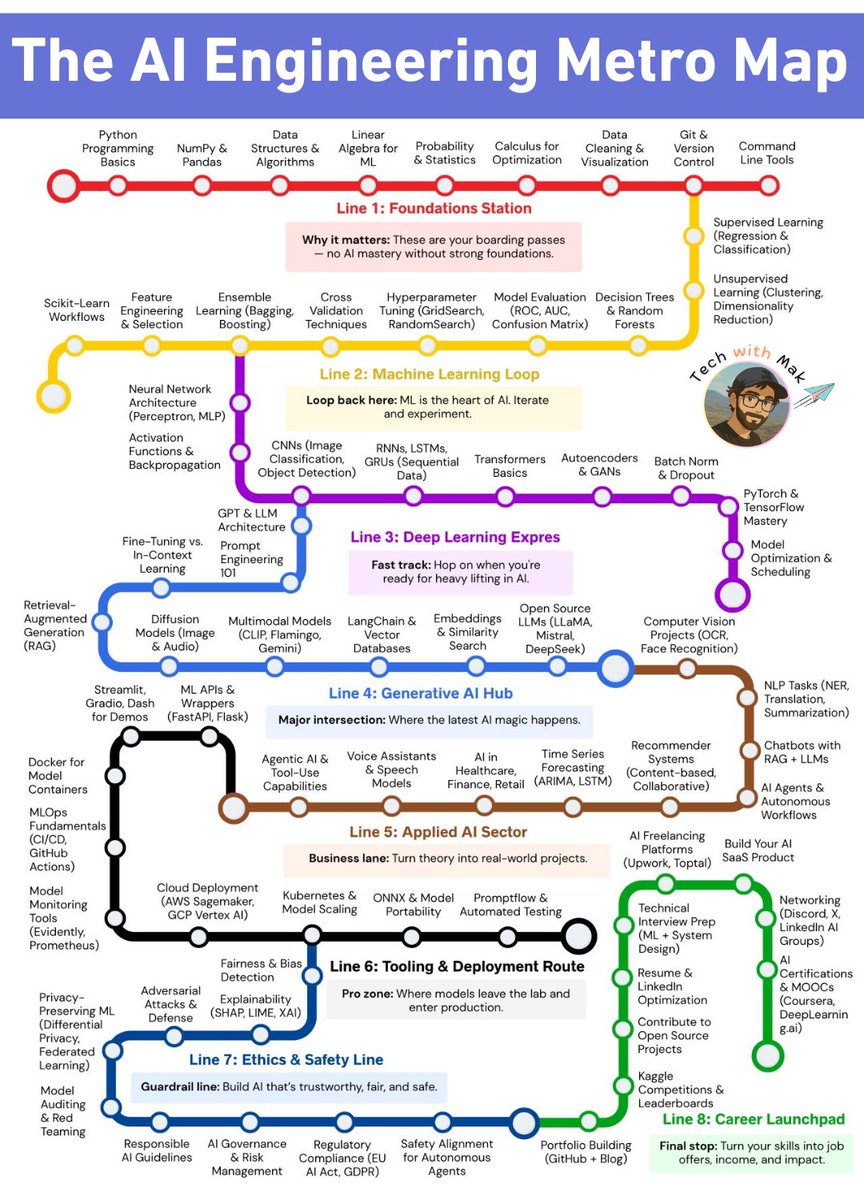
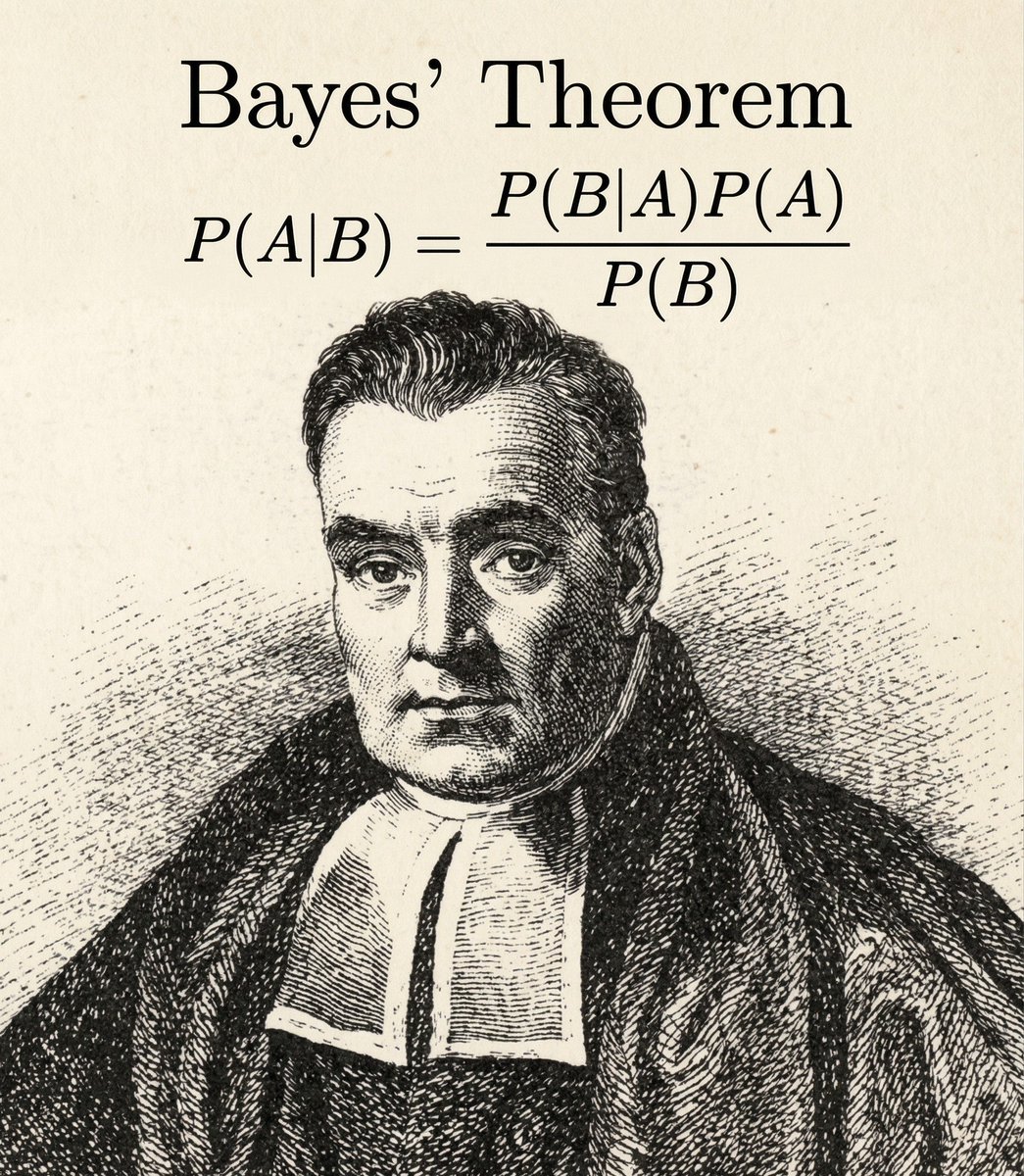
    Most engineers have seen this formula. P(A|B) = P(B|A) × P(A) / P(B) Almost none can explain what it actually does. Here's Bayes' Theorem in plain English, and where it's hiding inside systems you use every day. The core idea in one sentence: Bayes' Theorem updates your

    • 38 Replies
    • 458 Reposts
    • 2K Likes
    • 113.7K Views
    View on X
    Rewrite this post in your own voice and angle. See the hook, structure, and reusable template behind this post.
  4. 04

    @TivadarDanka ·

    I built the full knowledge graph of machine learning, and it’s fucking awesome. Check where gradient descent is: (Graph is hierarchical. Lower nodes are fundamental, top nodes are advanced. Yellow edges lead to prerequisites, blue to concepts building on gradient descent.)

    • 47 Replies
    • 166 Reposts
    • 1.4K Likes
    • 91.8K Views
    View on X
    Rewrite this post in your own voice and angle. See the hook, structure, and reusable template behind this post.
  5. 05

    @SakanaAILabs ·

    The AI Scientist: Towards Fully Automated AI Research, Now Published in Nature Nature: https://t.co/nNfpSV5e5I Blog: https://t.co/i6h8LVQOdl When we first introduced The AI Scientist, we shared an ambitious vision of an agent powered by foundation models capable of executing

    Video thumbnail from Sakana AI's post Watch video
    • 48 Replies
    • 389 Reposts
    • 1.9K Likes
    • 629.3K Views
    View on X
    Rewrite this post in your own voice and angle. See the hook, structure, and reusable template behind this post.
  6. 06

    @_vmlops ·

    MACHINE LEARNING VISUALIZED: A FREE JUPYTER BOOK THAT SHOWS YOU HOW MODELS ACTUALLY LEARN open-source collection of notebooks by Gavin Hung, deriving ML algorithms from first-principles with gifs of them converging during training → gradient descent + optimizers → PCA + K-Means

    Video thumbnail from Vaishnavi's post Watch video
    • 2 Replies
    • 79 Reposts
    • 424 Likes
    • 15K Views
    View on X
    Rewrite this post in your own voice and angle. See the hook, structure, and reusable template behind this post.
  7. 07

    @sentient_agency ·

    10 BOOKS SERIOUS AI RESEARCHERS ACTUALLY RECOMMEND (NOT THE ONES EVERYONE POSTS) Every AI reading list says the same five names. The people actually building these systems read deeper than that. Here's the shelf they point to when nobody's performing for an audience. 1.

    • 10 Replies
    • 92 Reposts
    • 526 Likes
    • 36.4K Views
    View on X
    Rewrite this post in your own voice and angle. See the hook, structure, and reusable template behind this post.

  8. 08

    @TechWithKhushi ·

    MACHINE LEARNING — MASTER TREE 🌲 Machine Learning │ ├── 01. Mathematics │ ├── Linear Algebra │ ├── Probability │ ├── Statistics │ ├── Calculus │ ├── Optimization │ └── Information Theory │ ├── 02. Python Foundations │ ├── NumPy │ ├── Pandas │ ├── Matplotlib │ ├── Seaborn │ ├──

    • 15 Replies
    • 81 Reposts
    • 304 Likes
    • 12.2K Views
    View on X
    Rewrite this post in your own voice and angle. See the hook, structure, and reusable template behind this post.
  9. 09

    @burkov ·

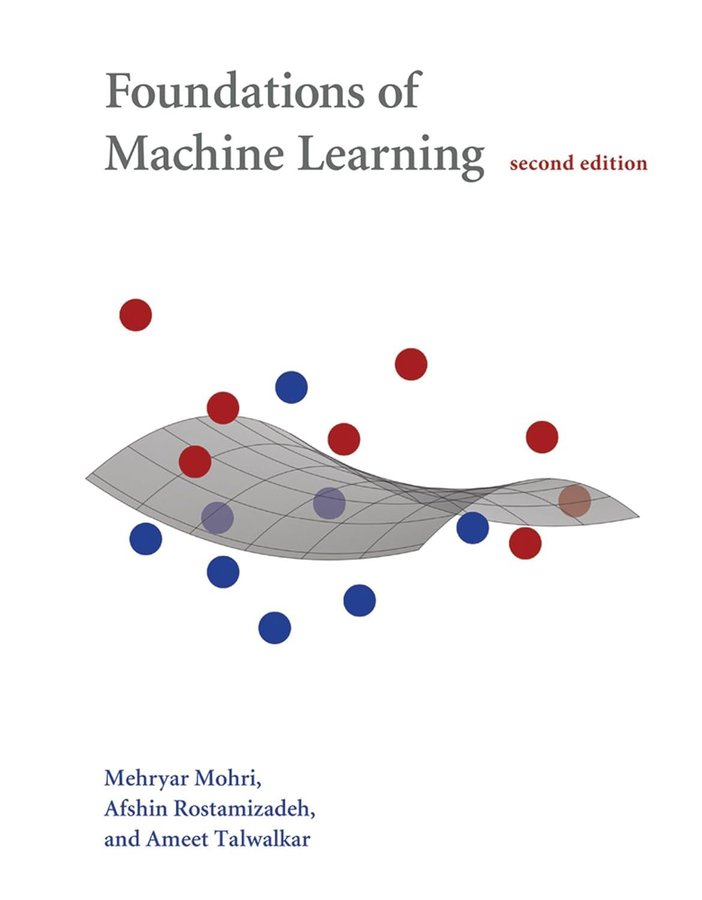
    The Hundred-Page Language Models Book by Andriy Burkov is well regarded, and for a specific niche: readers who want to actually build a language model, not just read about one. Why it's good: - Density without fluff. True to the "hundred-page" branding, it moves fast through

    • 5 Replies
    • 41 Reposts
    • 342 Likes
    • 17.3K Views
    View on X
    Rewrite this post in your own voice and angle. See the hook, structure, and reusable template behind this post.
  10. 10

    @SchmidhuberAI ·

    Everybody is talking about recursive self-improvement (RSI) and meta learning. Here is my old 2020 talk about this [1]. It has aged well. Example: humans still define the starts & ends of trials of many modern meta learners. My RSI systems since 1994 LEARN to (re)define them [2]!

    Video thumbnail from Jürgen Schmidhuber's post Watch video
    • 19 Replies
    • 84 Reposts
    • 724 Likes
    • 106.3K Views
    View on X
    Rewrite this post in your own voice and angle. See the hook, structure, and reusable template behind this post.
  11. 11

    @Hesamation ·

    KL divergence is a fundamental concept used in machine learning, from optimization a neural net to RL training of LLMs. but here is what it actually means:

    Video thumbnail from ℏεsam's post Watch video
    • 10 Replies
    • 48 Reposts
    • 412 Likes
    • 19.9K Views
    View on X
    Rewrite this post in your own voice and angle. See the hook, structure, and reusable template behind this post.
  12. 12

    @Aurimas_Gr ·

    As an 𝗔𝗜 𝗘𝗻𝗴𝗶𝗻𝗲𝗲𝗿 you should also care about regular, non LLM-based ML models, productionising them comes with its own challenges. For example, 𝗖𝗜/𝗖𝗗 process is 𝗱𝗶𝗳𝗳𝗲𝗿𝗲𝗻𝘁 𝗳𝗼𝗿 𝗠𝗮𝗰𝗵𝗶𝗻𝗲 𝗟𝗲𝗮𝗿𝗻𝗶𝗻𝗴 𝗣𝗿𝗼𝗷𝗲𝗰𝘁𝘀 compared to regular software. The important difference that the Machine

    • 15 Replies
    • 37 Reposts
    • 202 Likes
    • 7.6K Views
    View on X
    Rewrite this post in your own voice and angle. See the hook, structure, and reusable template behind this post.

  13. 13

    @heynavtoor ·

    🚨 An AI just wrote a scientific paper. Came up with the hypothesis. Designed the experiments. Ran the code. Analyzed the data. Created the figures. Wrote every word. Then it passed peer review at a top machine learning conference. No human touched it. Not one word. Not one

    • 46 Replies
    • 67 Reposts
    • 254 Likes
    • 21.9K Views
    View on X
    Rewrite this post in your own voice and angle. See the hook, structure, and reusable template behind this post.
  14. 14

    @FundamentEdge ·

    Interesting paper from Bridgewater & Thinking Machines on judgment in financial tasks: natively, LLMs are quite poor here, but when trained, results can improve materially. Captures an issue inherent to machine learning & stocks: natively, machines are not good at identifying

    • 7 Replies
    • 16 Reposts
    • 195 Likes
    • 23.7K Views
    View on X
    Rewrite this post in your own voice and angle. See the hook, structure, and reusable template behind this post.

  15. 15

    @Suhail ·

    /goal for AI model training runs is *so* good - it really feels like the future. Very little babysitting now. Mine: Launch a full training run on 4 nodes. Continuously record things in an experiment document if it exists. Log hyper params, configs, periodic evals, performance

    • 18 Replies
    • 23 Reposts
    • 391 Likes
    • 64.4K Views
    View on X
    Rewrite this post in your own voice and angle. See the hook, structure, and reusable template behind this post.
  16. 16

    @TivadarDanka ·

    I’ve spent 10 years teaching math to machine learning engineers. 80% of university math is irrelevant to your actual job. Here's the 20% you actually need to build models (and how to learn it fast): https://t.co/sV52SBB16J

    • 1 Replies
    • 25 Reposts
    • 138 Likes
    • 10.3K Views
    View on X
    Rewrite this post in your own voice and angle. See the hook, structure, and reusable template behind this post.
  17. 17

    @MIT_CSAIL ·

    A free throwback MIT course breaking down how machine learning techniques can be applied to healthcare: https://t.co/TrQlckLh8o (v/@MITOCW) Here, MIT prof. & CSAIL principal investigator David Sontag discusses how AI can help sort thru medical data (Lecture 1).

    Video thumbnail from MIT CSAIL's post Watch video
    • 2 Replies
    • 47 Reposts
    • 241 Likes
    • 20K Views
    View on X
    Rewrite this post in your own voice and angle. See the hook, structure, and reusable template behind this post.
  18. 18

    @andy_ai0 ·

    1-month playbook to start learning AI In just one month, you’ll already be able to: - understand what AI, machine learning, deep learning actually mean - use beginner AI tools without feeling lost - understand core concepts like training data, models, overfitting - build a few

    • 6 Replies
    • 8 Reposts
    • 58 Likes
    • 4.2K Views
    View on X
    Rewrite this post in your own voice and angle. See the hook, structure, and reusable template behind this post.
  19. 19

    @mark_k ·

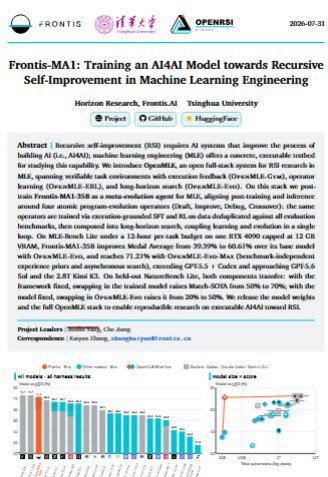
    Recursive Self Improvement is here! Frontis-MA1 (35B) is a new AI4AI agent trained for recursive self-improvement in machine learning engineering. Full OpenMLE stack released. Model post-trained on four operators: Draft → Improve → Debug → Crossover. Learning and evolution

    • 21 Replies
    • 19 Reposts
    • 231 Likes
    • 9.3K Views
    View on X
    Rewrite this post in your own voice and angle. See the hook, structure, and reusable template behind this post.

  20. 20

    @goyalshaliniuk ·

    Every AI System Is Built on Machine Learning Models From predicting trends to generating art, these 20 ML models are the real engines behind modern AI innovation. Here is how they shape the AI systems we use every day - 1. Regression & Classification Models • Linear & Logistic

    Video thumbnail from Shalini Goyal's post Watch video
    • 24 Replies
    • 19 Reposts
    • 66 Likes
    • 979 Views
    View on X
    Rewrite this post in your own voice and angle. See the hook, structure, and reusable template behind this post.
  21. 21

    @predict_addict ·

    Most people in machine learning still misunderstand probabilities. A model can be perfectly calibrated and still be completely useless. This was proven more than 40 years ago by DeGroot & Fienberg (1983). Yet many ML papers still miss this point. Here is the idea.

    • 3 Replies
    • 15 Reposts
    • 142 Likes
    • 11.3K Views
    View on X
    Rewrite this post in your own voice and angle. See the hook, structure, and reusable template behind this post.
  22. 22

    @alvarobartt ·

    💥 Learn how to build your own tool-calling agent with @huggingface TRL + @Alibaba_Qwen Qwen3.5 on @Azure Machine Learning! - @NousResearch hermes-function-calling-v1, 500 single-turn samples - SFT with TRL on Qwen3.5 2B (released today!) on a single NVIDIA H100 - Everything on

    • 8 Replies
    • 12 Reposts
    • 135 Likes
    • 30.1K Views
    View on X
    Rewrite this post in your own voice and angle. See the hook, structure, and reusable template behind this post.
  23. 23

    @burkov ·

    The Hundred-Page Language Model Book is Andriy Burkov's 2025 follow-up to his bestselling Hundred-Page Machine Learning Book, and it walks from ML basics through n-gram/count-based models, RNNs, Transformers coded from scratch in PyTorch, and finally LLMs with instruction

    • 4 Replies
    • 16 Reposts
    • 104 Likes
    • 4.8K Views
    View on X
    Rewrite this post in your own voice and angle. See the hook, structure, and reusable template behind this post.
  24. 24

    @goyalshaliniuk ·

    Ever wondered how machines actually learn from data? This step-by-step visual breaks down the 12-stage journey of Machine Learning, turning complex AI training into a simple, intuitive process anyone can follow. From defining the problem to collecting, cleaning, and labeling

    Video thumbnail from Shalini Goyal's post Watch video
    • 16 Replies
    • 14 Reposts
    • 59 Likes
    • 1.2K Views
    View on X
    Rewrite this post in your own voice and angle. See the hook, structure, and reusable template behind this post.
  25. 25

    @Aurimas_Gr ·

    A breakdown of 𝗗𝗮𝘁𝗮 𝗣𝗶𝗽𝗲𝗹𝗶𝗻𝗲𝘀 𝗶𝗻 𝗠𝗮𝗰𝗵𝗶𝗻𝗲 𝗟𝗲𝗮𝗿𝗻𝗶𝗻𝗴 𝗦𝘆𝘀𝘁𝗲𝗺𝘀 👇 And yes, it can also be used for LLM based systems! It is critical to ensure Data Quality and Integrity upstream of ML Training and Inference Pipelines, trying to do that in the downstream systems will cause unavoidable

    • 7 Replies
    • 15 Reposts
    • 57 Likes
    • 1.8K Views
    View on X
    Rewrite this post in your own voice and angle. See the hook, structure, and reusable template behind this post.
  26. 26

    @GithubProjects ·

    Financial Machine Learning is a curated collection of resources and implementations for applying machine learning techniques to quantitative finance and investment strategies. - Integrates ML techniques with financial data for investment strategy development - Covers predictive

    • 2 Replies
    • 3 Reposts
    • 51 Likes
    • 6.1K Views
    View on X
    Rewrite this post in your own voice and angle. See the hook, structure, and reusable template behind this post.
  27. 27

    @shushant_l ·

    I'm shocked most people use AI every day without knowing how AI actually learns. Here's the complete AI model training pipeline explained in one simple infographic. --- 📂 AI Model Training ┃ ┣ 📂 AI Training Basics ┃ ┣ 📂 Pattern Recognition ┃ ┣ 📂 Predictions ┃ ┣ 📂 Error

    • 6 Replies
    • 5 Reposts
    • 32 Likes
    • 4.4K Views
    View on X
    Rewrite this post in your own voice and angle. See the hook, structure, and reusable template behind this post.
  28. 28

    @toly ·

    MetaTimer: Using Large Language Models for Precise, Prompt-Aware Inference Latency Prediction The rapid proliferation of large language models (LLMs) in production systems has exposed a fundamental limitation: inference latency varies dramatically across prompts due to

    • 22 Replies
    • 1 Reposts
    • 110 Likes
    • 8.6K Views
    View on X
    Rewrite this post in your own voice and angle. See the hook, structure, and reusable template behind this post.

  29. 29

    @eric_seufert ·

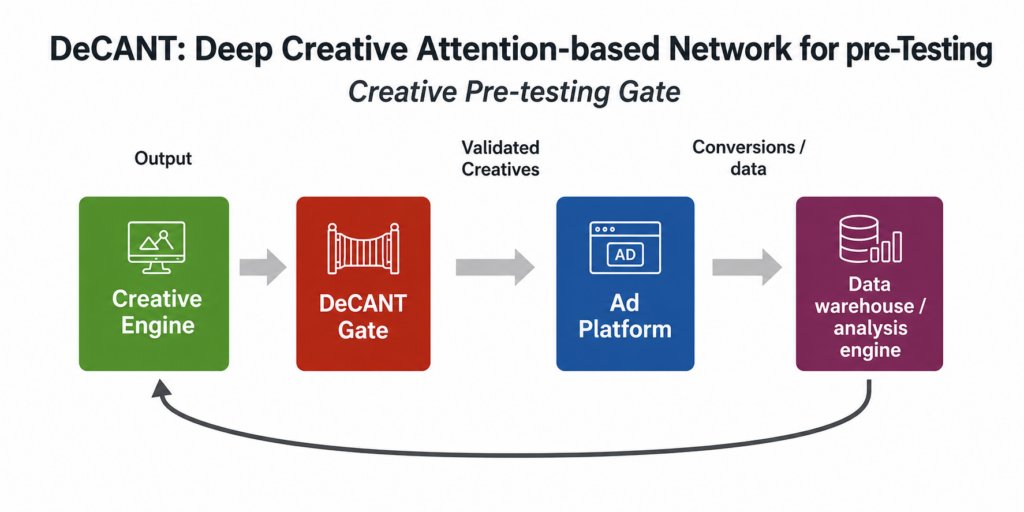
    I'm happy to share some of the research that I've been working on today: As ad platforms become more opaque and automated end-to-end, advertisers are left with few levers of control over campaign performance. I wanted to interrogate an idea: could advertisers treat "black box"

    • 6 Replies
    • 8 Reposts
    • 74 Likes
    • 9.5K Views
    View on X
    Rewrite this post in your own voice and angle. See the hook, structure, and reusable template behind this post.
  30. 30

    @Suryanshti777 ·

    Holy shit… someone just made machine learning click. Not static diagrams. Not math-heavy PDFs. Not black-box training. Real algorithms — training step-by-step — visually. It’s called Machine Learning Visualized and it lets you watch models learn in real time. Here’s why this

    Video thumbnail from Suryansh Tiwari's post Watch video
    • 2 Replies
    • 13 Reposts
    • 26 Likes
    • 2K Views
    View on X
    Rewrite this post in your own voice and angle. See the hook, structure, and reusable template behind this post.
  31. 31

    @techyoutbe ·

    This is how ML models actually go live 🚀 (Stop guessing, follow this ML flow) Raw Data Collection → Gather data from multiple sources Data Cleaning → Remove errors, duplicates, missing values Data Transformation → Convert data into usable format Feature Engineering → Create

    • 0 Replies
    • 5 Reposts
    • 44 Likes
    • 1.4K Views
    View on X
    Rewrite this post in your own voice and angle. See the hook, structure, and reusable template behind this post.
  32. 32

    @bibryam ·

    MITRE ATLAS: knowledge base of adversarial tactics and techniques targeting AI and ML systems https://t.co/Yu2vxgPsLZ

    • 0 Replies
    • 10 Reposts
    • 24 Likes
    • 1.9K Views
    View on X
    Rewrite this post in your own voice and angle. See the hook, structure, and reusable template behind this post.

  33. 33

    @agenticgirl ·

    Every AI engineer eventually builds a small personal library. Not tutorials. Not random blog posts. But the books that actually explain how modern AI systems work. Here are some of the titles you’ll find in many AI engineers’ bookshelves: ➜ Hands-On Machine Learning :

    • 0 Replies
    • 3 Reposts
    • 31 Likes
    • 8.6K Views
    View on X
    Rewrite this post in your own voice and angle. See the hook, structure, and reusable template behind this post.
  34. 34

    @_vmlops ·

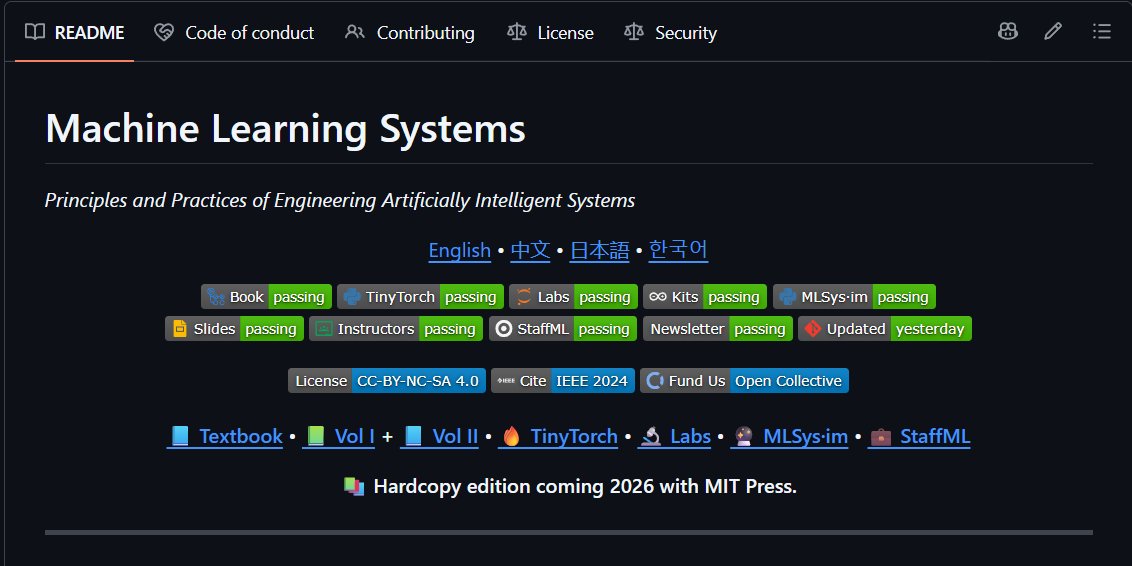
    THIS GITHUB REPO IS A TEXTBOOK, A FRAMEWORK, A SIMULATOR, AND A HARDWARE LAB - ALL ONE CURRICULUM harvard-edge built the whole AI engineering stack in one repo, not five disconnected projects → vol I + vol II: single-machine systems through distributed, at-scale infra →

    • 4 Replies
    • 4 Reposts
    • 11 Likes
    • 1.4K Views
    View on X
    Rewrite this post in your own voice and angle. See the hook, structure, and reusable template behind this post.
  35. 35

    @Al_Grigor ·

    LLM systems feel like a new paradigm. In practice, much of the lifecycle still follows patterns that existed long before generative AI. One useful lens is CRISP-DM, a framework originally designed for data mining projects and widely adopted in data science. Even though the

    A comparison table outlines phases of the CRISP-DM framework for ML and AI systems, contrasting methodologies and focus areas.
    • 0 Replies
    • 3 Reposts
    • 17 Likes
    • 938 Views
    View on X
    Rewrite this post in your own voice and angle. See the hook, structure, and reusable template behind this post.
  36. 36

    @panditdhamdhere ·

    If you're building AI applications in Rust, these are five of the strongest libraries to learn by the end of 2026. 🦀 → Burn - Deep learning - native Rust framework with training, inference, GPU acceleration (CUDA, WGPU), autodiff, modular design. Great alternative to PyTorch for

    • 1 Replies
    • 2 Reposts
    • 15 Likes
    • 492 Views
    View on X
    Rewrite this post in your own voice and angle. See the hook, structure, and reusable template behind this post.
  37. 37

    @ForwardFuture ·

    “I rewrote my code in 30 minutes — and it ran 200× faster.” @ctnzr VP, Applied Deep Learning Research @NVIDIA on the moment GPUs changed everything: “NVIDIA showed up in our lab and said, ‘You should try CUDA.’ I plugged in a GPU, rewrote my SVM training code, and it ran 200×

    Video thumbnail from Forward Future's post Watch video
    • 0 Replies
    • 12 Reposts
    • 34 Likes
    • 3.9K Views
    View on X
    Rewrite this post in your own voice and angle. See the hook, structure, and reusable template behind this post.

  38. 38

    @NaadhLabs ·

    Machine Learning from First Principles Machine Learning is not magic. It is not intelligence. It is not “thinking.” At its core, Machine Learning is about approximating an unknown function from data. Let’s rebuild it from zero.

    • 6 Replies
    • 1 Reposts
    • 13 Likes
    • 338 Views
    View on X
    Rewrite this post in your own voice and angle. See the hook, structure, and reusable template behind this post.
  39. 39

    @GaryMarcus ·

    This was right five years ago, and still is: “Large scale pretrained models are certainly likely to figure prominently in artificial intelligence for the near future, and play an important role in commercial AI for some time to come. The results that have been achieved with them

    • 10 Replies
    • 8 Reposts
    • 60 Likes
    • 10.8K Views
    View on X
    Rewrite this post in your own voice and angle. See the hook, structure, and reusable template behind this post.
  40. 40

    @WevolverApp ·

    Engineering, manufacturing, and architectural design data, by contrast, are fragmented, fiercely proprietary, and rarely centralized, even within a single department of an organization. For machine learning to deliver value in these domains, significant groundwork must be laid:

    Video thumbnail from Wevolver's post Watch video
    • 1 Replies
    • 6 Reposts
    • 20 Likes
    • 1.4K Views
    View on X
    Rewrite this post in your own voice and angle. See the hook, structure, and reusable template behind this post.
  41. 41

    @heyrimsha ·

    This is genuinely cool. A 17-year-old high school student built an AI system that analyzes retinal images for patterns linked to autism and ADHD. His name is Edward Kang. The project is called RetinaMind. It won him $175,000 at the 2026 Regeneron Science Talent Search. Here is

    • 0 Replies
    • 14 Reposts
    • 27 Likes
    • 2.6K Views
    View on X
    Rewrite this post in your own voice and angle. See the hook, structure, and reusable template behind this post.
  42. 42

    @glenngabe ·

    Some interesting nuggets from the latest Search Off The Record Podcast about Google using AI in Search rankings. Here is Google's Nikola Todorovic, Director of Software Engineering at Google Search, about how AI is used to impact rankings and why simpler linear systems are

    • 3 Replies
    • 3 Reposts
    • 31 Likes
    • 4.3K Views
    View on X
    Rewrite this post in your own voice and angle. See the hook, structure, and reusable template behind this post.

  43. 43

    @atulit_gaur ·

    i think the fusion of physics and ai is the most beautiful one we train neural networks with optimization methods rooted in physics, diffusion models borrow ideas from thermodynamics, physics informed neural networks solve differential equations by embedding physical laws

    • 2 Replies
    • 0 Reposts
    • 18 Likes
    • 506 Views
    View on X
    Rewrite this post in your own voice and angle. See the hook, structure, and reusable template behind this post.
  44. 44

    @hugobowne ·

    “You still use pull requests? I wouldn’t even do that anymore. Just push it straight to trunk, have your agent summarize it.” That’s @gregce10, co-founder and CPO of SpecStory. He previously worked at GitHub, Dropbox and Google, and was CPO at Pluralsight. And he kept going: -

    Video thumbnail from Hugo Bowne-Anderson's post Watch video
    • 4 Replies
    • 1 Reposts
    • 14 Likes
    • 1.9K Views
    View on X
    Rewrite this post in your own voice and angle. See the hook, structure, and reusable template behind this post.
  45. 45

    @DylanFeltus ·

    curious about building your own model? the actual roadmap: step 1: understand transformers → Karpathy "Let's build GPT" https://t.co/QRC54Uo5es → "Attention Is All You Need" paper https://t.co/JEN33a8Bxw → HF LLM course https://t.co/PbZUWmJbWz → https://t.co/UGTmB0L8Z6 step 2:

    • 2 Replies
    • 0 Reposts
    • 3 Likes
    • 137 Views
    View on X
    Rewrite this post in your own voice and angle. See the hook, structure, and reusable template behind this post.
  46. 46

    @Meta_Engineers ·

    Our Ranking Engineer Agent (REA) autonomously executes key steps across the end-to-end machine learning lifecycle for ads ranking models. REA reduces the need for manual intervention, managing asynchronous workflows spanning days to weeks through a hibernate-and-wake mechanism,

    • 1 Replies
    • 2 Reposts
    • 10 Likes
    • 1.5K Views
    View on X
    Rewrite this post in your own voice and angle. See the hook, structure, and reusable template behind this post.
  47. 47

    @rseroter ·

    Any chance you're losing your best AI/ML experiments in a sea of notebooks or manual spreadsheet trackers? Sounds like that's a real issue for many teams. This post looks at how to better track your model training experiments with @googlecloud Vertex AI: https://t.co/ZwVcQIgFcz

    • 0 Replies
    • 1 Reposts
    • 5 Likes
    • 993 Views
    View on X
    Rewrite this post in your own voice and angle. See the hook, structure, and reusable template behind this post.
  48. 48

    @sabir_huss50540 ·

    A team of two dozen researchers just trained a 35B model to improve the process of building AI, put it on a single consumer graphics card, and released the whole thing. The paper is called Frontis-MA1. It came out of Tsinghua and a lab called https://t.co/wlcZKlCube on July 30.

    • 2 Replies
    • 0 Reposts
    • 6 Likes
    • 666 Views
    View on X
    Rewrite this post in your own voice and angle. See the hook, structure, and reusable template behind this post.
  49. 49

    @TDataScience ·

    "This time I found that making progress in machine learning, or any field, really, often comes down to the following five things. They are patience, discipline, optimism, good projects, and good teams." Pascal Janetzky reflects on 8.5 years as a machine learning practitioner.

    • 1 Replies
    • 1 Reposts
    • 7 Likes
    • 3.8K Views
    View on X
    Rewrite this post in your own voice and angle. See the hook, structure, and reusable template behind this post.
  50. 50

    @TDataScience ·

    In his new machine learning walkthrough, @jumbong_junior looks at the inner workings of a classic paper on vector-based sentiment analysis. https://t.co/9Jg9n0D5Ag

    • 0 Replies
    • 4 Reposts
    • 7 Likes
    • 154.3K Views
    View on X
    Rewrite this post in your own voice and angle. See the hook, structure, and reusable template behind this post.

Explore more of the best tweets on X.

Browse all tweet collections

Tweet Remixer

Remix this post

Creator

@creator

View on X

Choose a tone