The best Twitter content ideas in 2026 are repeatable formats, not random prompts. Start with visual posts because image tweets have averaged 272,000 likes, compared with 183,000 for videos and 158,000 for GIFs, and lean into short-form video because 37% of users are most likely to interact with that format from brands.
Staring at a blank “What’s happening?!” box on X (Twitter) again? That usually isn’t an idea problem. It’s a format problem. Many individuals burn time trying to invent a fresh angle every day when what works is a small set of reusable post structures you can adapt to your niche, audience, and current conversations.
This playbook gives you 10 formats I keep coming back to because they create value fast, invite replies, and are easy to batch, remix, and schedule. If you’re a founder, indie hacker, marketer, analyst, creator, or social media manager, these are the Twitter content ideas worth keeping in rotation.
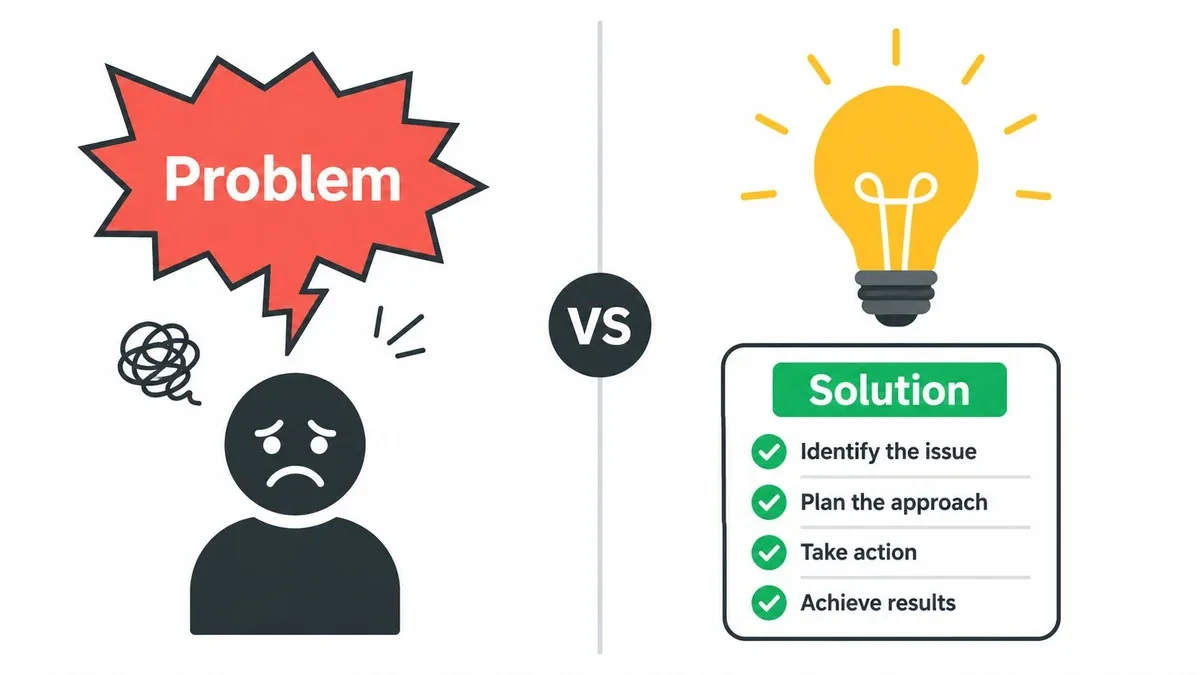
1. The Problem-Solution Hook
This is the easiest format to repeat because it starts where your audience already is. You name a frustration they recognize, then give them a cleaner path forward in one post.
A good version sounds like this:
Founders build in silence, then wonder why launch day feels flat. Share the process, not just the release.
That works because readers see themselves in the first half and get direction in the second. It also fits the current shift away from stale templates. One write-up on X format fatigue argues that audiences are tuning out repetitive structures while more visceral, daily-experience posts are getting priority, and that many top guides still overfocus on static templates (format fatigue on X).
Template that works
Use this fill-in-the-blank:
- Pain first: “Most [audience] struggle with [specific frustration].”
- Pivot fast: “What works better is [clear action].”
- Make it concrete: “Try [step 1], [step 2], [step 3].”
If you want ideas quickly, open a swipe file or use semantic search to study proven hooks. Xholic’s Inspiration tool and Steal the Structure are useful for this because you can search by meaning, pull up strong posts in your niche, and turn the pattern into a new draft without copying. For more ways to build that pipeline, this guide to content ideation tools for creators is worth reviewing.
2. The Data Drop
You post something useful, it gets a few likes, and dies. Then a plain chart with one sharp number takes off because it gives people a reason to change what they do.
That is the point of a data drop. The best ones do not dump five stats into a tweet. They surface one clear finding, explain the implication fast, and make the reader think, “I should test that today.”
A practical example: Buffer’s review of X posting patterns says weekday mornings tend to be the strongest window for reach and engagement, with early hours outperforming late nights in many cases (Buffer’s X timing research). Useful data posts work because they shorten the distance between insight and action. A creator can adjust their schedule. A founder can queue launch posts earlier. A marketer can stop guessing.
What to say after the stat
The number is the hook. The interpretation is what gets saves and replies.
Here’s a version that works:
If your posts are strong but results are inconsistent, test weekday morning slots before you rewrite your offer or your hook.
That gives the reader a next step.
I usually pair this format with a screenshot of native analytics, a simple chart, or a scheduling view. If I want to mock up how the stat will look in a post sequence before publishing, I use this reply chain generator for planning post flow and visual layout. It helps when turning one stat into a main post plus a follow-up reply with context.
Use this format:
- Lead with the takeaway: “Posts published earlier in the workday often get more early engagement.”
- Add one supporting stat or finding: cite the source in the same sentence.
- Close with a test: “Have you seen the same pattern on your account?”
This format is reusable, which is why it belongs on a serious X playbook. You are not just posting facts. You are building a repeatable way to find one useful data point, remix it into a clean post, and schedule it with context.
3. The Thread Starter
Threads still work, but only when the first post earns the rest. The opener has one job. It must create enough curiosity that tweet two feels necessary.
A useful idea is not automatically a thread-worthy idea. Use the complete guide to writing Twitter threads to test whether sequence adds real progress, proof, and payoff before expanding one prompt into several posts.
A strong thread starter usually promises a pattern, lesson, teardown, or story. Weak thread starters sound like announcements. Strong ones sound like unfinished insight.
A thread opener example
Here’s a clean version:
I rewrote my X workflow around replies, saved structures, and scheduled drafts. Three changes made the biggest difference:
That opener tells people there’s a system coming. If they care about growth, workflow, or consistency, they keep reading. This format is even better now because X lets users inspect public-profile analytics in a more detailed way than most platforms, using engagement rate as engagements divided by impressions. That same metrics guide says a healthy week-over-week follower growth rate is 2%, while 0% suggests stagnation (guide to X metrics). That gives you a real reason to thread your lessons instead of posting vague opinions.
Post the hook first. If it gets traction on its own, expand it into a thread later.
When you need mockups for planning a multi-post thread, campaign review, or a deck, tools like this reply chain generator walkthrough make it easier to preview sequence flow before publishing.
4. The Contrarian Take
Contrarian posts work when they challenge lazy consensus, not when they chase outrage. If everyone in your niche repeats the same advice, a well-argued counterpoint can pull serious engagement.
A good example for X right now is this: more posting isn’t automatically better posting. In 2025, the average weekly number of posts on X rose from 15.97 to 17.34, while impressions per post fell to 2,711.39, which points to a reach recession where more activity doesn’t guarantee broader distribution (Metricool X statistics). That sets up a useful take: publishing more can help, but only if topic fit and timing are right.
How to stay credible
Here’s the structure I use:
- State the mainstream view fairly: “Most creators think volume alone solves consistency.”
- Challenge it with reasoning: “On X, more posts can still mean fewer impressions per post.”
- Offer the replacement: “Publish more only when you can sustain topic quality and join relevant conversations.”
The trap with contrarian posts is sounding smug. Don’t write like you’re smarter than the room. Write like you’ve tested something and learned where common advice breaks.
5. The Behind-the-Scenes Peek
People trust process posts because they feel earned. You’re not just claiming expertise. You’re showing the work, the mess, the iteration, and the decisions.

This format matters more now because a lot of AI-generated X content feels flattened. One strong argument from creators on the platform is that “daily experiments” and raw operating notes consistently outperform polished repurposed content, with one source claiming those posts get 3x higher engagement than repurposed AI content and noting that most top guides miss this shift toward sensory, real-time content (ideas for growing on X through real experiences).
What to share
Show one of these:
- Work in progress: Drafts, landing page variants, product screenshots, training logs.
- Decision process: Why you picked one angle, feature, or campaign over another.
- Failed attempt: What didn’t work and what changed after the miss.
A simple founder post might be:
Cut one feature from this week’s roadmap. It looked useful, but every customer conversation pointed to onboarding instead. Shipping less was the better decision.
Short process videos also fit here, especially because media-heavy posts still outperform text-only content on X. If you want a fast visual explanation of workflow thinking, this embed works well in a planning or educational context:
6. The Question That Sparks Conversation
Questions lower the effort required to engage. A reply is easier than a standalone post. That’s why this format is one of the simplest ways to keep your account active without forcing a take every time.
The question has to be specific enough to trigger opinions. “What do you think?” is dead on arrival. “What’s the one part of your X workflow you still do manually because tools keep getting it wrong?” gets much better replies.
Better question formats
Use one of these:
- Debate question: “Audience first or product first?”
- Process question: “Do you draft threads in Notes, Docs, or directly inside X?”
- Experience question: “What mistake cost you the most time when you first started posting seriously?”
Questions also support a cleaner analytics loop. If engagement on X is getting harder, you need formats that create direct interaction. SearchLab reports that the average brand engagement rate on X in 2026 is 0.035% per post and average impressions dropped from 2,864.78 in 2024 to 2,711.29 in 2025 (X statistics for 2026). In a low-attention environment, reply-friendly formats matter more.
For more practical tactics around replies, hooks, and engagement patterns, this article on how to increase Twitter engagement pairs well with question-led posting.
7. The Case Study or Example
Case studies are useful because they replace theory with evidence. On X, even a small example can outperform a broad lesson if the details are clear and believable.
The mistake people make is inventing drama. You don’t need a giant win. A narrow lesson with screenshots, timing, and context is enough. “I changed my content review process and my reply quality improved” is better than a vague claim about going viral.
Keep the proof believable
Your structure can be simple:
- Context: What account, niche, or campaign were you working on?
- Change: What did you test?
- Result: What happened?
- Lesson: What should others copy, and what should they ignore?
One useful benchmark for format selection comes from Hootsuite’s roundup of X stats: image posts average 2.09% engagement, the highest among formats listed there, compared with a general average of 0.03% per tweet, and the entertainment and media sector reaches 1.7% organic engagement (Hootsuite Twitter statistics). That gives you a grounded case-study angle like: “We turned a text post into an image-led post because format fit mattered more than rewriting the copy.”
If you want examples to model, this collection of tweets that actually work is useful for studying how strong posts present proof without sounding inflated.
8. The Reframe
A reframe changes the lens, not just the tactic. It’s one of the best Twitter content ideas when your audience already knows the surface-level problem but hasn’t named the deeper one yet.
For X, a strong reframe is this: stop thinking about posting as broadcasting. Think about it as participation in searchable, ongoing conversations. That mindset pushes you toward replies, quote posts, and timely commentary instead of isolated publishing.
A simple reframe template
Try this structure:
You don’t have a consistency problem. You have a retrieval problem. Your best ideas aren’t captured when they happen, so the timeline gets your leftovers.
That kind of post works because it makes people reconsider the bottleneck. Another useful reframe comes from the broader content shift on X. One 2026 stats page says video now makes up 42% of all media posts on X, up 40% year over year, and multimedia content generates 55% of total tweet impressions (SQ Magazine X statistics). The implication is clear: the question isn’t “Should I add media sometimes?” It’s “Which ideas deserve image treatment and which deserve short-form video?”
When a reframe lands, readers repeat it in their own words. That’s a good sign you found something sticky.
9. The Timely Hook
Timely posts let you borrow attention from a conversation that already exists. Done well, this is one of the fastest ways to earn impressions from people who don’t follow you yet.
The best version isn’t trend-jacking. It’s relevant commentary with a niche-specific lens. If you build products, react like a builder. If you work in marketing, react like someone who understands distribution. If you write about AI, connect the news to workflow, use case, or user behavior.
Speed beats polish here
One signal that supports this format is the move toward short-form video and entertainment-led interaction on X. Cross River Therapy’s Twitter research notes that image tweets historically outperformed other formats on average likes, and also cites a 2026 social content report saying 37% of users are most likely to interact with short-form video from brands (research on Twitter engagement formats). That means timely commentary often travels farther when you attach a screenshot, image, short clip, or visual proof.
A practical workflow for this format looks like this:
- Find momentum early: Use trending tabs, lists, or a reply discovery workflow.
- Join the conversation fast: Reply to visible posts before publishing a polished standalone take.
- Save the angle: If the post doesn’t fit today, drop it into a collection for later remixing.
Xholic’s Engage is useful here because it surfaces high-momentum conversations and lets you draft contextual replies inside the feed with the Chrome extension, instead of bouncing between tabs and losing the moment.
10. The Actionable Framework or Checklist
A checklist post is one of the easiest formats to sustain because it turns your process into content.
It also fits how people use X. They scroll fast, save what they can apply, and come back later when they need a system, a template, or a short list they can follow. As noted earlier, engagement is harder to win than it used to be. Utility helps because readers can get the value in seconds.
The mistake is writing a checklist that reads like recycled advice. Strong checklist posts come from work you already do. If you publish consistently, you already have raw material. Your drafting routine, your research flow, your launch sequence, your client onboarding steps, your content QA pass. Those are all posts.
Example framework post
Here’s a version you can post today:
My 4-part X workflow
- Save strong hooks
- Rewrite them from lived experience
- Turn winners into visuals
- Schedule approved drafts for your best slots
What makes this format work is specificity. “Be consistent” gets ignored. “Save 10 hooks, rewrite 3, publish 1” gives people a process they can copy.
A practical weekly checklist looks like this:
- Collect: Save posts with strong hooks, clear structure, or unusually sharp replies.
- Sort: Tag them by format, such as contrarian take, mini case study, checklist, or question post.
- Rewrite: Keep the structure. Replace the examples, language, and lessons with your own.
- Package: Turn the best drafts into singles, threads, carousels, or screenshot posts.
- Schedule: Queue them into repeatable time slots so good drafts do not die in your notes.
- Review: Track saves, profile visits, replies, and follows. Keep the formats that earn action, not just impressions.
A tool like Xholic earns its keep. Use it to collect posts by niche, study patterns across winning formats, rewrite faster with AI, and schedule the finished drafts from one workflow. That matters if you want a repeatable system, not a pile of random ideas.
If you want this section to pull its weight, treat it like an operating checklist you run every week. That angle is stronger than generic “tips” because readers can use the format, remix it with AI, and publish the same day.
Top 10 Twitter Content Ideas Comparison
| Format | 🔄 Complexity | ⚡ Resource Requirements | 📊 Expected Outcomes | 💡 Ideal Use Cases | ⭐ Key Advantages |
|---|---|---|---|---|---|
| The Problem-Solution Hook: Lead with Pain, Close with Clarity | Low 🔄, formulaic, easy to write | Low ⚡, short research on audience pain | High 📊⭐, strong engagement & saves | Quick single tweets, audience validation, hooks for threads 💡 | Validates readers, actionable, easy to A/B test ⭐ |
| The Data Drop: Share a Surprising Stat or Observation with Context | Medium 🔄, requires accurate sourcing & framing | Medium-High ⚡, data access, citation, visuals | High 📊⭐, authority, shares, quotable | Analysts, marketers, traders, B2B credibility posts 💡 | Builds credibility, drives reshares and backlinks ⭐ |
| The Thread Starter: Begin with a Hook That Demands the Thread | Medium-High 🔄, needs clear arc and payoff | Medium ⚡, time to draft and thread properly | High 📊⭐, more impressions, deeper engagement | Long-form narratives, explainers, frameworks 💡 | Enables storytelling, repurposable into long content ⭐ |
| The Contrarian Take: Challenge Conventional Wisdom in Your Niche | Medium 🔄, must be backed by reason or data | Low-Medium ⚡, experience or examples needed | High 📊⭐, high engagement but polarizing | Thought leadership, debate, attention-grabbing posts 💡 | Memorable, sparks conversations and follows ⭐ |
| The Behind-the-Scenes Peek: Share Process, Not Just Results | Medium 🔄, requires documentation and honesty | Medium ⚡, screenshots, time-lapse, updates | Medium-High 📊⭐, builds trust and loyal audience | Building in public, product development, creator journeys 💡 | Authenticity, harder to replicate, attracts collaborators ⭐ |
| The Question That Sparks Conversation: Ask Something Your Audience Debates | Low 🔄, simple to frame if relevant | Low ⚡, minimal prep, moderation time | Medium-High 📊, high reply rate and community insight | Market research, community engagement, ideation 💡 | Low friction engagement, crowdsources ideas ⭐ |
| The Case Study or Example: Show Real Impact with Specifics | Medium-High 🔄, must show credible before/after | Medium-High ⚡, data, screenshots, context | High 📊⭐, proof-driven authority and inbound leads | Product launches, marketing wins, client results 💡 | Concrete proof, highly shareable and persuasive ⭐ |
| The Reframe: Give a Fresh Perspective on a Common Problem or Opportunity | Medium 🔄, requires original insight and clarity | Low-Medium ⚡, thought work, examples to ground it | Medium-High 📊, shareable, positions you as strategist | Thought leadership, teaching, mental-model building 💡 | Shifts thinking, creates memorable frameworks ⭐ |
| The Timely Hook: Tie Your Insight to Trending Topics or News | High 🔄, speed and relevance critical | High ⚡, trend monitoring and rapid drafting | Short-term High 📊, rapid reach when timely | Real-time commentary, market moves, newsjacking 💡 | Algorithmic boost and visibility when executed fast ⭐ |
| The Actionable Framework or Checklist: Provide Clarity Through Structure | Medium 🔄, must be clear, testable, and concise | Medium ⚡, time to refine steps and examples | High 📊⭐, repeatable, referenceable, widely shared | Educational threads, workplace processes, product guides 💡 | Useful, memorizable system that followers apply ⭐ |
Turn Your Ideas into a Consistent Growth Engine
Having endless Twitter content ideas isn’t the hard part. Turning them into a reliable publishing habit is. Most accounts stall because the workflow breaks between “that’s interesting” and “I posted it.” Good growth on X comes from reducing that friction.
The simplest way to do that is to pick two formats from this list and run them for one week. Don’t test all ten at once. Choose something easy to repeat, like the Problem-Solution Hook and the Question That Sparks Conversation, then review your analytics at the end of the week. Look at impressions, engagement rate, replies, profile visits, and whether follower growth moved at all. Those numbers won’t tell you everything, but they will tell you whether the format fits your audience.
There’s also a practical format mix worth keeping in mind. If you want static posts that consistently earn attention, images still matter. If you want more native interaction from current platform behavior, short-form video deserves a place in your rotation. And if your account feels flat, don’t just post more. Adjust the format, tighten the topic, and join better conversations earlier.
Here, a system matters more than inspiration. A clean loop looks like this:
- Discover: Find high-momentum tweets and conversations in your niche.
- Study: Save strong hooks, formats, and angles.
- Remix: Turn proven structures into original drafts in your voice.
- Reply: Join relevant threads while attention is still building.
- Schedule: Queue approved posts into sensible time slots.
- Review: Track consistency and learn which formats deserve another round.
That’s also why an all-in-one workflow tends to outperform a stack of disconnected tools. Xholic AI fits naturally into this loop. You can use Inspiration to search 2.5M+ tweets by meaning, Steal the Structure to break down a winning post, Tweet Remixer to draft a new version in your voice, Engage to find conversations worth joining, the Chrome extension to act inside the X feed, and Smart Scheduler to queue approved posts without losing control. Goals & Streaks then gives you a simple consistency layer, including tracked activity and a 90-day heatmap.
If you’re building in public, running social for a brand, or trying to become more consistent as a solo creator, start smaller than you think. One format. One week. One review cycle. Then add a second format and keep the ones that produce real replies, saves, and useful audience signals.
For founders who want to pair content with relationship-building, these strategies for indie founders to build community are a strong complement to the posting formats above.
If you want a faster way to find proven tweet formats, draft better replies, save strong examples, and schedule approved posts without living inside the timeline all day, try Xholic AI. It’s a practical X growth toolkit for turning scattered ideas into a consistent posting system.
Match the Post Format to the Goal
Use a thread when the idea needs sequence, a poll or focused question when audience input is the product, a case study when proof matters, and a short contrarian post when one defensible point can stand alone. Data visualizations help when the pattern is easier to understand visually, while curated resource lists work best when every item serves one defined audience.
Do not rotate formats only for variety. Start with the outcome—teach, collect feedback, demonstrate proof, or join a timely conversation—then choose the smallest format that can deliver it clearly.
Related Xholic Resources
Turn these ideas into a repeatable system by organizing them into Twitter content pillars. The broader How to Grow on Twitter guide connects that planning work to profile positioning, distribution, engagement, and measurement.