Stop Guessing, Start Structuring: Why Templates Work
Struggling to turn your best ideas into high-engagement threads on X (Twitter)? The problem usually isn’t a lack of ideas. It’s a lack of structure. A strong Twitter thread template gives you a repeatable way to write posts that hook attention, hold readers through the middle, and land on a payoff worth sharing.
If you want the decision system behind these templates first, read the complete guide to writing Twitter threads for format selection, opening-three-post structure, proof, payoff, and post-level retention diagnostics.
The fastest answer is simple. Use a small set of proven thread structures, adapt them to your niche, and build a workflow around discovery, drafting, and scheduling. That matters on a platform where X generates an estimated 500 million posts per day, so your content has to compete for attention immediately. This guide gives you 8 practical templates you can reuse, plus examples, trade-offs, and a workflow for applying them with Xholic AI.
If you also publish across channels, these actionable IG Story frameworks pair well with thread-first content planning.
1. The Hook-Story-Payoff Framework
This is the most reliable twitter thread template for creators who want attention without sounding mechanical. It starts with a strong first tweet, builds tension through a short narrative, and ends with a practical or emotional payoff.
It works because readers need a reason to keep going. Twitter’s global audience reached 217 million monetizable daily active users in Q2 2021, and on a feed that crowded, your first tweet has to signal that more value is coming. Clear thread cues like “1/” and a direct hook help stop early drop-off.
Lead with a question people need answered
A weak opener says what the thread is about. A strong opener creates a gap the reader wants closed.
Try hooks like these:
- Failure hook: “I failed at three startups before I understood what was broken.”
- Process hook: “Everyone says build in public. Almost nobody shows the workflow.”
- Belief-breaking hook: “The best traders I know ignore one popular rule.”
Practical rule: Write the payoff first. Then write a hook that raises exactly that question.
The middle tweets should stay lean. One or two sentences per tweet is usually enough. Long blocks kill retention, especially when the thread depends on momentum instead of novelty.
Sample template
- Tweet 1: State the tension.
- Tweet 2: Explain the old belief or mistake.
- Tweet 3: Add proof, context, or a turning point.
- Tweet 4: Reveal what changed.
- Tweet 5: Deliver the framework, lesson, or takeaway.
- Final tweet: Ask for a reply, follow, or repost.
Example:
“Everyone says build in public. Nobody explains how. I stopped sharing random updates and started sharing decisions, trade-offs, and lessons. That shift made my posts more useful because people learned how I think, not just what I shipped. My rule now: share the reasoning, not the inbox.”
If you want help building these from real examples, Xholic AI’s Ask Xholic assistant is useful for breaking a thread into hook, tension, and payoff. Then use an AI tweet generator workflow to draft variants in your own voice instead of copying the original post shape.
2. The List + Lesson Framework
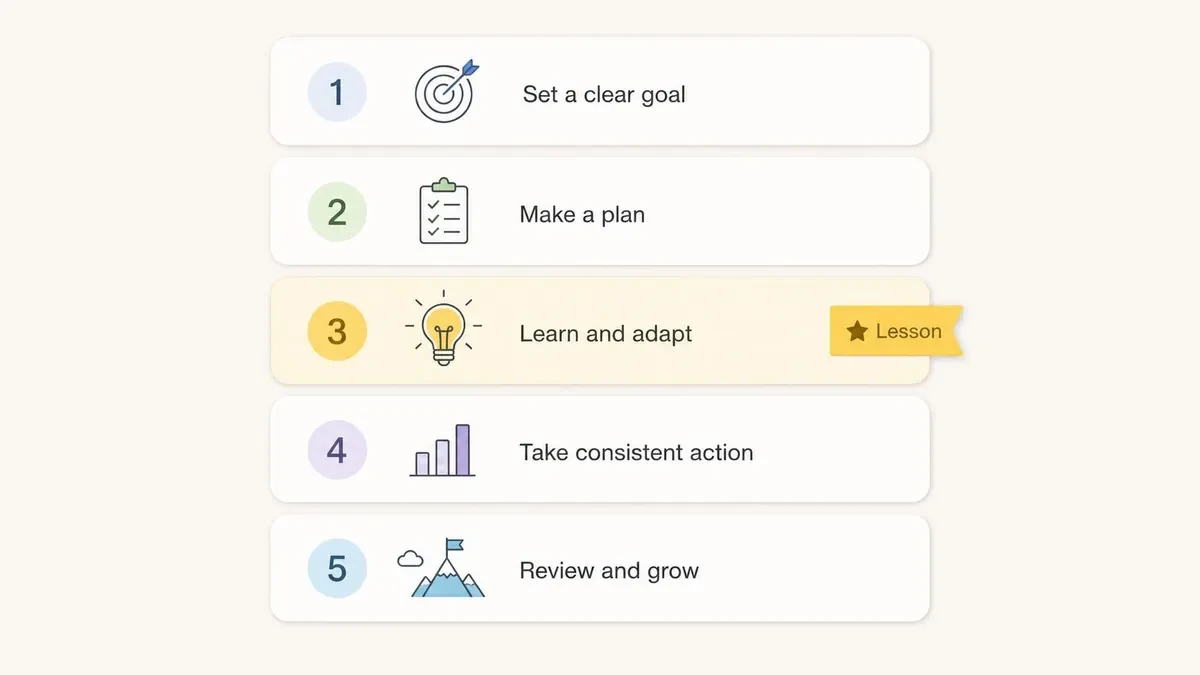
Lists work on X because they’re easy to scan, easy to save, and easy to share with a niche audience. This format gives readers a clear promise up front, then earns that promise item by item.
A lot of creators make lists that feel empty because they only stack tips. The better version adds one lesson, consequence, or example to each point. That turns a thread from “content” into a useful reference.
Why this format keeps working
A practical list gives the reader progress. They know what’s left, which lowers friction. It also fits how people consume threads on mobile.
Examples that fit this template well:
- For founders: “5 signs your SaaS metrics are lying to you”
- For managers: “7 mistakes I made as a first-time manager”
- For indie hackers: “10 things I learned shipping without waiting for perfect”
The key is the closing synthesis. The final tweet should tell the reader what all the points mean together.
Lists without a final lesson get bookmarked. Lists with a final lesson get remembered.
Sample template
- Tweet 1: “7 mistakes I made as a first-time manager”
- Tweets 2 to 6: Two mistakes per tweet, each with a short consequence or fix
- Final tweet: “A key lesson: management is design. You’re shaping how people spend time and attention.”
A sample opening might look like this:
“5 signs your SaaS metrics are lying to you.
- You’re tracking numbers nobody can act on.
- Your retention view hides user behavior.
- You celebrate traffic but ignore buyer intent.
The pattern is simple. Metrics only matter if they change a decision.“
This is also a good format for analytics-focused creators because it naturally connects observation to action. If you want sharper examples, save strong list threads into Xholic’s Collections and compare them against your own Twitter analytics playbook to see which list angles drive replies, reposts, and profile visits.
3. The Question-Deep Dive-Answer Framework
Some threads work because they teach. This one works because it investigates. You open with a real question, spend a few tweets examining the issue, then land on a nuanced answer instead of a cheap one.
That approach matters because X content still defaults to short-form posting. A large-scale analysis of AI-generated X content found an average thread size of 1.02 tweets, with only 1.95% of tweets appearing in multi-message threads. A thoughtful deep-dive thread stands out because users rarely go beyond a single post.
Where this thread wins
Use this structure when your audience cares about decisions, uncertainty, or interpretation. It fits analysts, traders, operators, researchers, and founders especially well.
Questions that work:
- Why do founders talk about IPOs when most companies won’t get there?
- Does a morning routine matter, or do people just love ritual?
- Why do some creators grow with simple posts while others overproduce and stall?
This template fails when the writer already knows the answer and pretends to explore. Readers can feel that immediately.
Sample template
- Tweet 1: Ask the core question.
- Tweet 2: Explain why it matters.
- Tweets 3 to 5: Show competing explanations, examples, or observations.
- Tweet 6: Give your answer.
- Final tweet: Invite responses.
Example:
“Does morning routine matter, or do people just like the story of having one?
I’ve noticed high-performers defend completely different schedules. Some start before sunrise. Some don’t.
My takeaway: routine matters less than consistency. The value often comes from reducing friction, not from a specific hour.“
Use Xholic’s Inspiration search here. Semantic search is useful when you don’t want identical takes. Search by meaning, save a few examples, then draft a different angle from your own experience.
4. The Contrarian Take Framework
A contrarian thread can grow your account fast, but it can also damage trust if the take is shallow. The difference is whether you can show your reasoning and acknowledge why the common belief exists.
Good contrarian threads don’t just say “everyone is wrong.” They explain where the usual advice works, where it breaks, and what to do instead. That gives readers something to argue with productively rather than dismiss.
How to disagree without sounding lazy
A useful contrarian structure looks like this:
- State the consensus clearly: “Most founders think they need VC.”
- Explain the appeal: “It promises speed, status, and a larger outcome.”
- Show the trade-off: “It also changes incentives, timelines, and pressure.”
- Offer the alternative: “Bootstrap first if your market allows it.”
That’s much stronger than posting a hot take with no substance.
The best contrarian threads feel expensive to write. They come from experience, not posture.
Sample opening:
“Most founders shouldn’t raise VC.
That doesn’t mean VC is bad. It means many businesses don’t need a growth path that changes every decision around speed and scale.
If your market supports slower compounding, revenue can buy you time that funding won’t.“
This is one of the easiest structures to overdo. If every thread attacks consensus, readers stop seeing you as thoughtful and start seeing you as reactive. Xholic AI helps here because Ask Xholic can break down how high-performing takes frame tension and evidence, while this guide on how to make a tweet go viral is useful for checking whether your first tweet is sharp without tipping into clickbait.
5. The Before-After-Bridge Framework
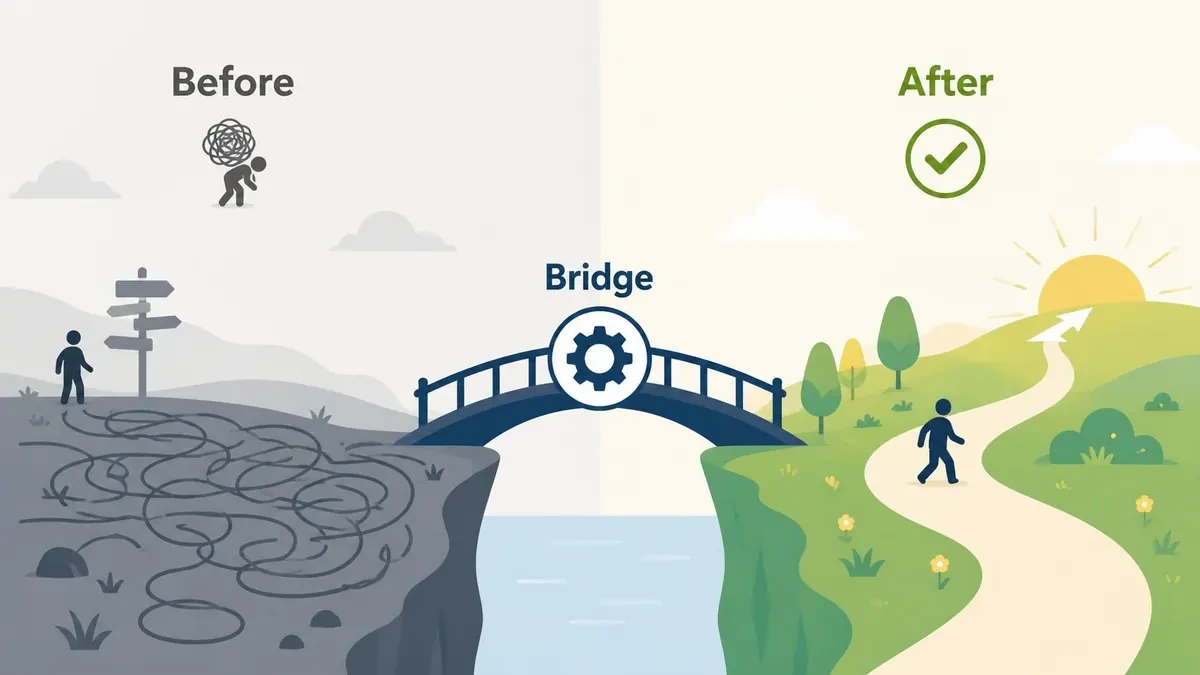
This template works when you want emotional clarity instead of broad education. It shows a starting state, a better outcome, and the specific bridge that created the shift.
Transformation threads do well because they compress a lesson into a change people can picture. The reader sees themselves in the “before,” wants the “after,” and studies the bridge.
Transformation beats abstraction
The “before” has to feel specific. “I was overwhelmed” is weaker than “I was juggling ten projects and couldn’t tell which one deserved my attention.”
The “after” also needs shape. It can be a behavior change, a clearer process, or a shift in confidence. It doesn’t need a dramatic business result to be credible.
Example:
“Before: I thought building in public meant sharing everything. After: I realized people care more about the thinking than the task list. Bridge: I stopped posting updates and started posting decisions.”
Sample template
- Tweet 1: Before state
- Tweet 2: Why it wasn’t working
- Tweet 3: The insight that changed your approach
- Tweet 4: The after state
- Tweet 5: Invitation or lesson
This format is especially good for creators, coaches, consultants, and founders who want to build trust without sounding preachy. When you open a strong before-after post on X, use the Remix button in Xholic AI’s Chrome extension to rewrite it so the final draft sounds like your voice, not a borrowed framework.
6. The Case Study / War Story Framework
If you want authority, tell a story with friction in it. Not a polished “success story.” A real one with a bad call, a wrong assumption, or a painful trade-off.
This kind of twitter thread template earns attention because it teaches through consequences. Readers remember mistakes longer than abstract advice.
Specific stories build trust
Case study threads work best when they answer one question:
What happened, and what should I learn from it?
Examples:
- “How I sold a feature nobody asked for”
- “Why our best month turned into our worst wake-up call”
- “The hire I almost passed on”
A good war story includes your thinking at the time, not just the neat lesson after the fact. That’s what makes the thread believable.
Readers trust the sentence you were tempted to leave out.
Sample template
- Tweet 1: Set the scene
- Tweet 2: Explain what you believed
- Tweet 3: Describe the action you took
- Tweet 4: Show what went wrong or what surprised you
- Tweet 5: Give the principle you’d use now
Example:
“I built a feature because I was sure users would love it.
Nobody had asked for it. I treated my own excitement like evidence.
After launch, almost no one touched it. The lesson wasn’t ‘trust customers blindly.’ It was ‘your instinct is not market validation.’“
This format is also useful for content planning because your backlog of mistakes, experiments, and decisions is usually larger than your backlog of “ideas.” Keep those examples in Xholic’s Saved & Collections, then turn them into drafts when you need fresh Twitter content ideas that still feel grounded.
7. The Rapid-Fire Insight / Wisdom Thread Framework
What if your best thread is just a series of sharp observations that readers can steal, save, and repost in under a minute?
The rapid-fire insight thread works best when the value sits in the phrasing. Each tweet delivers one clean idea. No long setup. No scene-building. No need to hold every point until a final reveal.
This format fits creators who already have strong notes, repeatable opinions, or lessons they return to often. It also fits busy readers on X. They can get the point from one tweet, then keep going if the rest earns their attention.
Best use cases
Use this structure when the topic benefits from compression:
- hard-earned rules
- recurring mistakes in your niche
- short principles with broad relevance
- frameworks that can be expressed in one or two lines
- opinionated takes that work well as quote tweets or screenshots
Examples:
- “7 writing rules I use every day”
- “6 sales lessons that fixed my discovery calls”
- “8 product instincts that save me time”
The trade-off is simple. You gain speed, clarity, and shareability. You give up nuance. If a point needs context to avoid being misleading, this is the wrong template.
Why this template performs
Readers do not need to commit to a long read before they get value. Tweet two can stand alone. Tweet five can become the screenshot someone saves. That changes how the thread travels.
Good rapid-fire threads also create multiple chances for resonance. One reader saves point three. Another reposts point six. A third replies to disagree with point two. That spread matters more than perfect completion rate on this format.
I use this structure when I have a cluster of ideas around one theme but no single story strong enough to carry a longer thread.
Sample template
- Tweet 1: Clear promise with a number or specific theme
- Tweet 2: Insight 1
- Tweet 3: Insight 2
- Tweet 4: Insight 3
- Tweet 5: Insight 4
- Tweet 6: Insight 5
- Final tweet: Recap, strongest takeaway, or a prompt for replies
Sample:
“5 things nobody tells you about negotiation
- Silence creates pressure.
- The first offer often tests your confidence.
- Bad deals feel urgent.
- Clarity beats charisma.
- Walking away is a real option.“
How to write one that does not feel generic
A weak version reads like fortune-cookie advice. A strong version sounds specific enough to come from experience.
Instead of “Consistency matters,” write “Posting daily matters less than giving readers a reason to expect a specific kind of value from you.”
Instead of “Know your audience,” write “Write for the buyer, operator, or creator who already knows the basics and wants fewer mistakes.”
That level of specificity is what turns a list into a thread worth saving.
Niche adaptations
The same structure changes depending on who you serve:
- Founders: lessons from hiring, pricing, product strategy, customer feedback
- Freelancers: client red flags, proposal rules, scope control, retention habits
- Marketers: positioning fixes, copy rules, channel mistakes, campaign heuristics
- Designers: interface principles, usability checks, common review failures
- Coaches and educators: mindset shifts, teaching principles, recurring student blockers
A playbook beats a template list. The structure stays stable, but the source material should come from your niche, your client conversations, and your pattern recognition.
Workflow with Xholic AI
Xholic AI helps speed up this format because the bottleneck is rarely writing. The bottleneck is collecting enough sharp observations to choose the best five to seven.
Send compact high-performing threads to Ask Xholic to isolate how they pace ideas. Save promising formats by niche or topic in your Library. Then use Remix to draft several versions of the same thread for different angles, such as beginner, advanced, contrarian, or industry-specific. From there, tighten each point until every tweet can survive on its own, then schedule the strongest version for the time slot that matches your posting cadence.
That workflow is useful for creators who want repeatable output, not just one good thread.
Common mistakes
- Leading with a vague title
- Repeating the same point with different wording
- Writing insights that need three follow-up tweets to make sense
- Mixing beginner and advanced advice in one thread
- Ending without a reply prompt, summary, or takeaway
A simple filter helps. If one tweet could be quoted by itself and still feel useful, keep it. If it only works after explanation, rewrite it or move the idea into a different framework.
8. The Teach-By-Example / Show-Don’t-Tell Framework
Some lessons land better when people can see them. Instead of explaining a principle in abstract terms, show multiple examples and let the pattern become obvious.
That’s especially useful on X because visual examples stop the scroll and make a complex idea easier to follow. It also fits product teardown threads, writing breakdowns, UI commentary, pitch deck analysis, and content critiques.
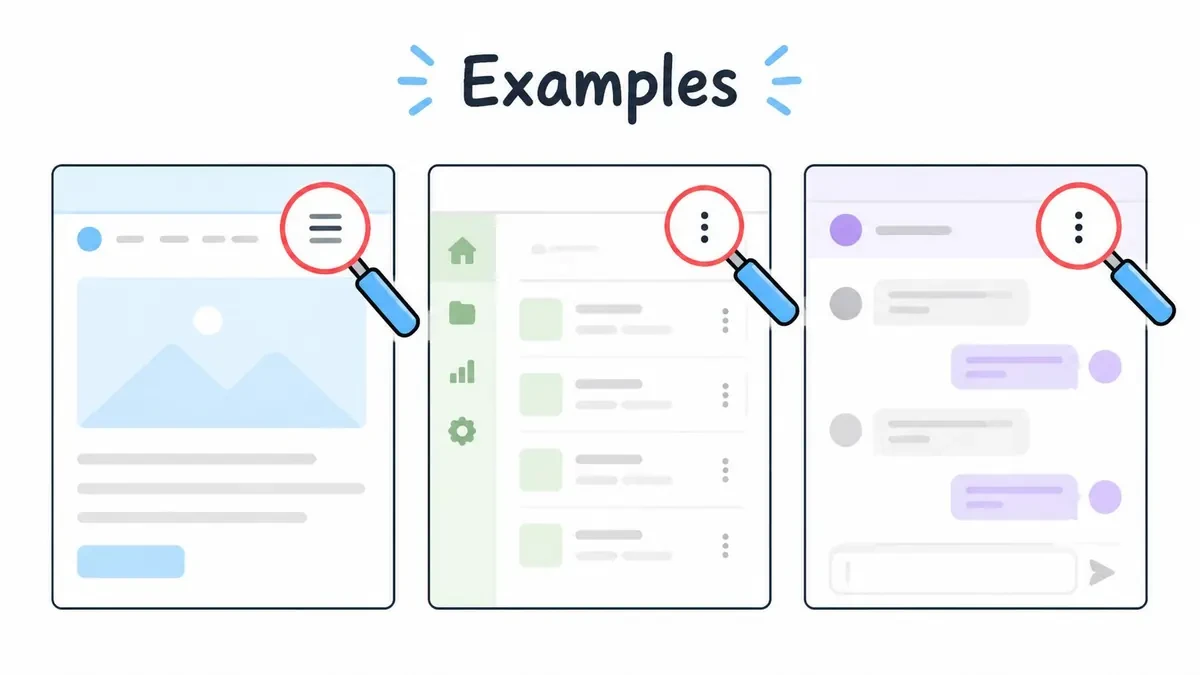
Examples teach faster than theory
You might compare five opening tweets and explain why one hook works better. Or show two onboarding flows and point out where friction appears. Or annotate a landing page and explain where attention gets lost.
This structure also benefits from changes in how people share content. Retweets on X increased by 35% from 2024 to 2025, which makes clear, example-driven threads more attractive because readers can instantly understand and pass them along.
Example topic:
“How to write stronger openers”
- Show five real hooks
- Annotate the wording
- Explain what creates curiosity
- End with the principle
Sample template
- Tweet 1: Promise what readers will learn
- Tweets 2 to 4: Show examples with short annotations
- Tweet 5: Name the pattern
- Final tweet: Give a simple rule readers can apply
A thread like that could open with:
“Most weak openers fail for the same reason. They describe a topic instead of creating tension.
Here are 3 examples of stronger hooks and why they work.“
Video walkthroughs can also help when the examples are visual or layered:
Xholic’s Saved & Collections is strong for this template because you can build a library of examples by topic, then remix them into educational threads. If you need mockups for presentations, approvals, or teaching visuals, tools like the fake tweet generator, quote tweet maker, and reply chain mockup tool are useful for planning. Label mockups clearly when needed, and don’t use them to impersonate people, fabricate evidence, or mislead viewers.
8 Twitter Thread Templates Compared
| Framework | Implementation Complexity | Resource Requirements | Expected Outcomes | Ideal Use Cases | Key Advantages |
|---|---|---|---|---|---|
| The Hook-Story-Payoff Framework | Medium, needs narrative flow and a clear payoff | Moderate, strong writing, time to craft hook and payoff | High completion, saves, good repost potential | Attention-grabbing lessons, personal anecdotes, cross-niche storytelling | Encourages full reads, reusable structure, drives engagement |
| The List + Lesson Framework | Low to medium, rigid structure, easy to format | Low, curated items plus brief explanations; minimal research | Scannable, consistent shares and bookmarks | How-tos, mistakes, rules of thumb, tactical threads | Highly scannable, memorable, easy to replicate |
| The Question-Deep Dive-Answer Framework | High, requires framing, evidence, nuanced conclusion | High, research, anecdotes or data; time to analyze | Strong replies, authority building, deeper engagement | Researchy topics, market analysis, investigative threads | Positions author as thinker, sparks debate and follow-ups |
| The Contrarian Take Framework | Medium to high, must present defensible counterargument | Moderate, credibility, counterexamples or data | High virality potential but polarizing engagement | Opinion reversals, trending topics, positioning statements | Stands out in feed, drives debate, increases reach |
| The Before-After-Bridge Framework | Medium, needs emotional arc and a clear bridge | Moderate, personal vulnerability, specific outcomes or metrics | Strong emotional resonance, actionable replies | Transformations, product launches, habit change stories | Empathy to hope to action; builds trust and relatability |
| The Case Study / War Story Framework | High, detailed timeline, context, and reflection required | High, real data, dates, numbers, and honest detail | High credibility and memorability; niche appeal | Product decisions, failures, customer success and lessons | Demonstrates real experience, hard to copy, teaches by example |
| The Rapid-Fire Insight / Wisdom Thread Framework | Low to medium, curate tight, standalone lines | Low, idea generation and concise writing | High per-tweet engagement; many quotables | Mental models, rules, negotiation tips, quick wisdom | Dense, highly shareable, easy to skim and reuse |
| The Teach-By-Example / Show-Don’t-Tell Framework | Medium to high, requires selection and annotation of examples | High, screenshots, curated examples, formatting effort | Strong learning impact, high saves and reposts | Writing/design critiques, product feedback, code reviews | Concrete learning, pattern recognition, directly actionable |
Best Practices and Common Mistakes
The best twitter thread template is the one you can repeat without sounding copied. Most failures come from execution, not format.
A few rules matter more than the rest:
- Match the format to the idea: Use Hook-Story-Payoff for narratives, List + Lesson for scannable teaching, and Case Study for trust-building.
- Keep the first tweet obvious: Readers should know why they should continue. If the opener is vague, the rest won’t get read.
- Cut filler in the middle: Threads lose momentum when tweets repeat the same point with different wording.
- End with a next step: Ask for a reply, suggest a save, or offer a simple takeaway.
Common mistakes show up fast in analytics:
- Generic hooks: “A thread on leadership” won’t compete on a busy feed.
- Overlong setup: If it takes four tweets to get to the point, most readers will leave.
- Template voice: If the structure is visible but your point of view isn’t, the thread feels disposable.
- No workflow: Good ideas die when they stay in drafts.
Xholic AI helps most with that last problem. Use Inspiration to find high-momentum posts by meaning, save useful examples to Collections, remix strong structures in your own voice, draft contextual replies in the Chrome extension, then move approved drafts into Smart Scheduler. Drafting, queueing, scheduling, and automation aren’t the same thing. The safest workflow is still human review first, then publish approved posts and configured rules only.
FAQ
What is the best Twitter thread template for growth?
If you need one repeatable default, use Hook-Story-Payoff.
It works because it gives readers a reason to start, a reason to stay, and a reason to remember the ending. That makes it a strong fit for founders sharing lessons, creators building authority, and operators turning experience into audience trust. The trade-off is that it needs a real point of view. If the story is thin, the structure cannot save it.
How long should a Twitter thread be?
A useful range is often 7 to 10 tweets, but length should follow the idea, not the other way around.
Shorter threads usually perform better for one lesson, one opinion, or one tactical breakdown. Longer threads make sense when you are walking through a case study, explaining a process, or showing proof step by step. Cut any tweet that only repeats the last one in softer wording.
Do threads still work on X?
Yes. Threads still work when the topic benefits from sequence.
Analysts at Hootsuite found that X posts continue to generate meaningful visibility, with posts averaging 2,121.13 impressions per post. The key question is whether your idea needs multiple tweets. Use a thread for stories, frameworks, case studies, and arguments that get stronger with context. Use a single post when one sharp point can carry the message on its own.
Should I use AI to write threads?
Yes, with human judgment in the loop.
AI is best for speeding up research, angle generation, hook variations, and first drafts. It is weak at lived experience, niche nuance, and conviction unless you supply those inputs. The practical workflow is simple: find a structure that fits the idea, generate a draft, rewrite the weak parts with your own examples, then schedule only the version you would stand behind publicly.
How does Xholic AI help with thread writing?
Xholic AI helps turn thread templates into a repeatable system.
Start by finding high-momentum posts and sorting them by structure, not just topic. Save strong examples into Collections, then remix the pattern for your niche, offer, or audience problem. From there, draft faster with AI support, refine the thread in your own voice, and queue approved posts in Smart Scheduler. That workflow is what makes this a playbook instead of a template list. You are not only choosing a format. You are building a process for finding, adapting, and publishing threads consistently.
Turn Templates into Your Growth Engine
What turns a twitter thread template from a writing shortcut into a growth system?
The answer is repeatability. A good template reduces blank-page friction, but the main gain comes from knowing which structure fits which idea, how to adapt it to your niche, and how to publish it on a consistent schedule. Structure saves time. Judgment creates results.
That is why creators who grow with threads rarely rely on a static swipe file. They build a working playbook. A founder might use Hook-Story-Payoff to explain a product bet. A marketer might use List + Lesson to turn campaign results into a practical teardown. An operator might use a contrarian thread to challenge stale advice and attract replies from peers. The template stays familiar, but the use case, stakes, and audience context change every time.
Free template libraries have made access easy. OpenTweet offers 200+ free templates across 11 categories, with all templates free to use. The bottleneck now is selection and execution. Strong creators pick the right framework for the job, reshape it around a specific point of view, and publish often enough to learn which patterns earn attention and which ones only look good on paper.
Use a simple workflow.
Find threads with real traction in your niche. Sort them by structure, not just topic. Save the strongest examples, then strip each one down to its bones: hook type, pacing, proof, and payoff. Rewrite the pattern around your own product insight, client result, market opinion, or lesson learned. Queue the drafts that still sound like you. Review performance by format, then keep the structures that drive replies, reposts, profile visits, and follower growth.
Xholic AI helps run that workflow faster. Inspiration helps surface relevant posts by meaning, which is useful when the best examples do not share obvious keywords. Ask Xholic breaks down high-performing posts into reusable frameworks. Tweet Remixer helps adapt proven ideas to your voice and niche instead of copying the original. Workers draft batches of editable posts in your voice, on demand or on a schedule. The Chrome extension makes it easier to draft replies in context, remix posts you open, and keep momentum while you are already on X. Smart Scheduler closes the loop by turning approved drafts into a publishing cadence.
That combination is what makes this a playbook instead of a template list. You are pairing each thread structure with a use case, a trade-off, and a workflow for finding and remixing similar posts at scale.
Treat these templates like operating procedures. If a framework feels stiff, trim it. If a thread gets impressions but weak conversation, strengthen the payoff or make the lesson more specific. If one structure keeps producing strong results for your niche, turn it into a recurring content format and make it part of your weekly system.
If you want a faster way to turn proven thread structures into original posts, try Xholic AI. It helps you discover high-momentum ideas, draft better threads and replies in your voice, organize examples, and schedule approved posts without losing your rhythm on X.
Related Xholic Resources
A template becomes more useful when it serves a repeatable Twitter thread strategy rather than one isolated post. The complete How to Grow on Twitter guide shows how threads fit with positioning, cadence, engagement, and analytics.