Most fake tweets do not fail because of bad tools.
They fail because something feels off.
You do not need to zoom in or compare fonts. You just scroll past and immediately know it is not real. Maybe it is the tone. Maybe the numbers do not make sense. Maybe it just feels too perfect.
That is the part people underestimate.
Using a fake tweet maker is not just about generating a tweet layout. It is about recreating a format people see every day and instinctively understand. If even one detail feels unnatural, the whole mockup breaks.
And once it breaks, the whole thing loses its purpose.
What a Fake Tweet Maker Actually Does (Beyond the Obvious)
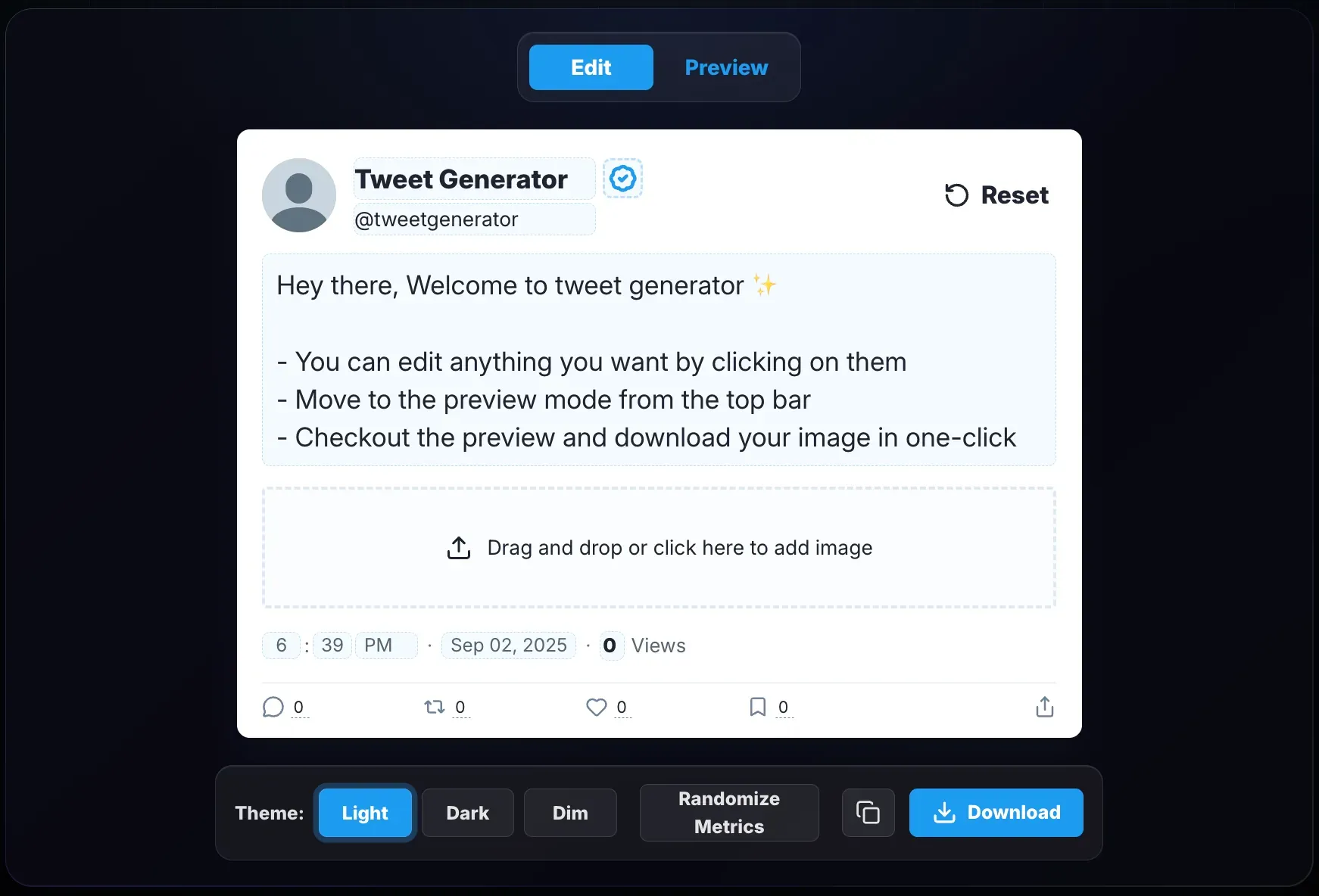
At a basic level, a fake tweet maker recreates the layout of a post from X.
You fill in:
- A name
- A username
- A message
- Engagement numbers
Then you export the result as an image.
Simple.
But that is only the surface.
The tool handles structure. You handle everything else.
And that “everything else” is what decides whether your tweet mockup works or not.
The Real Reason Fake Tweets Look Fake
After you have spent enough time on social media, you start noticing patterns without realizing it.
You know how tweets usually sound. You know how engagement behaves. You know what feels natural.
So when something does not match that pattern, even slightly, it stands out.
Most fake tweets make the same mistakes:
- They sound like written content, not real thoughts.
- They use numbers that do not match the account or scenario.
- They mix tone in ways real users would not.
None of these are big issues individually.
But together, they make the tweet feel artificial.
And people pick that up instantly.
Writing Like a Real Tweet (Not Like Content)
This is where most people go wrong.
They try to make the tweet sound “good” instead of making it sound real.
Real tweets are not always structured. They are not always polished. Sometimes they are incomplete. Sometimes they are slightly awkward.
That is exactly why they work.
If your tweet reads like a sentence from a blog, it is already lost.
For example:
A typical generated line might say: “Consistency in content creation is the key to long-term success.”
A more natural version is closer to:
“Consistency is boring… until it starts working.”
Same idea. Completely different feel.
That difference matters more than almost anything else.
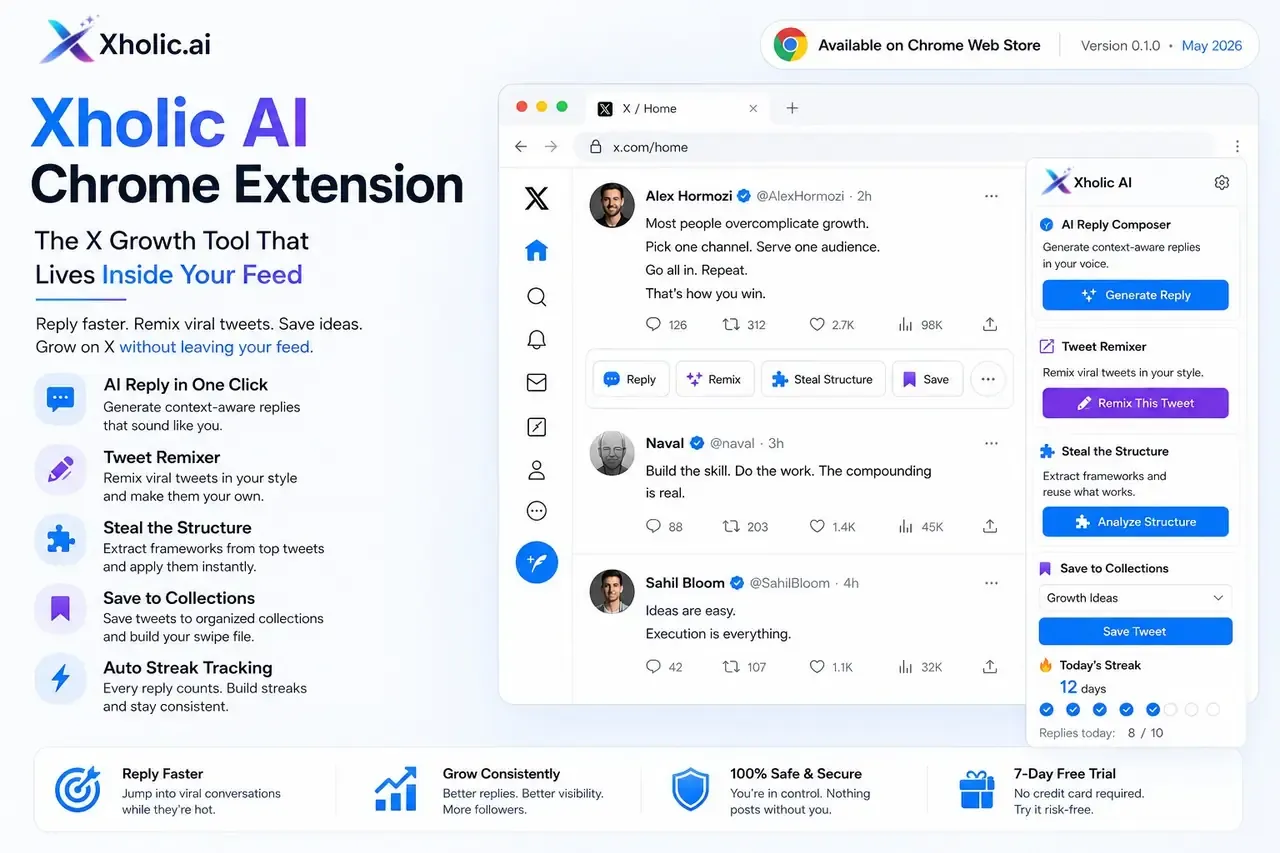
If the writing is the hard part, it usually makes more sense to solve that first with a drafting workflow such as Xholic AI or a related guide like Discover the Best AI Tweet Generator for Quick and Creative Replies, then move the final line into a visual.
Engagement Numbers: The Fastest Way to Break Realism
If there is one thing that instantly exposes fake tweets, it is numbers.
People assume bigger numbers equals more believable.
Usually it is the opposite.
Engagement only looks natural when it makes sense for the account and the use case.
Here is a simple reference based on typical patterns:
| Account Type | Followers | Likes | Reposts | Replies |
|---|---|---|---|---|
| New Account | 0-1K | 5-40 | 1-8 | 0-3 |
| Small Page | 1K-10K | 40-250 | 5-30 | 5-20 |
| Mid Account | 10K-50K | 250-1K | 20-120 | 20-60 |
| Established | 50K-200K | 1K-4K | 100-400 | 50-150 |
| Large Account | 200K+ | 5K+ | 500+ | 200+ |
A few simple patterns matter:
- Likes usually exceed reposts and replies.
- Replies tend to stay lower than likes.
- Reposts scale more gradually than people expect.
- Small mockups often look more convincing with modest numbers than inflated ones.
If the numbers feel engineered to impress, people sense it immediately, even if they do not consciously analyze why.
For mockups used in decks, demos, or previews, it is safer to keep numbers generic or clearly illustrative instead of using them as invented proof.
The Subtle Role of Identity
Every post belongs to someone, and that someone needs a consistent voice.
If your fake tweet does not match that voice, it will not feel real.
For example:
- A clean, professional profile posting slang-heavy content
- A casual account suddenly sounding corporate
Even if everything else is correct, this mismatch creates friction.
Real tweets feel consistent.
Timing and Context (Most People Ignore This)
Tweets do not exist in a vacuum. They sit inside a timeline.
That means timing matters more than people think.
If your tweet references something current, the timestamp should match. If the tone feels like a reaction, it should sound like one.
Even small context mistakes reduce authenticity.
On the other hand, when timing, tone, and content align, it just works.
Where Most Tools Fall Short
There are plenty of tools out there.
They all do the same core thing: They generate the tweet layout.
And that part is fine.
But most of them do not help you with:
- Natural phrasing
- Voice consistency
- Choosing believable context
- Matching tone and identity
- Framing the visual clearly as a mockup when needed
So users end up with something that looks right but does not feel right.
If you want the visual layer, Xholic AI’s Fake Tweet Generator handles that part. But the content still has to carry the mockup.
A Better Way to Use a Fake Tweet Maker
Most people start with the generator. That is usually backwards.
That is the mistake.
A better approach looks like this:
Start with the idea. Write the tweet naturally. Refine it slightly. Then generate the visual.
This small change makes a huge difference.
Because by the time you use the tool, your content already feels real.
If the writing part is slow, you can draft the line first with a workflow like Xholic AI, then move only the strongest version into the mockup.
Real-World Use Cases (Not Just Memes)
Fake tweet makers are not just for jokes.
They are used in real scenarios:
Content creators use them to tell stories in a familiar format. Marketers use them to preview campaigns. Designers use them in product demos.
Even in presentations, tweet-style visuals communicate faster than plain text.
The format works because people already understand it.
A Few Simple Guidelines That Actually Matter
If you want better results, you do not need complicated rules.
Just keep a few things in mind:
- Write like a person, not like content.
- Keep the context believable.
- Match tone with identity.
- Stay consistent with timing and format.
- Use tweet mockups for concepts, previews, and creative work, not as invented proof.
That is it.
Most people overcomplicate this. But these basics solve most problems.
One Important Note About Usage
Fake tweet makers are simple tools, but they can be used in very different ways.
They are useful for:
- Creative content
- Mockups
- Ideas
- Demos
- Storytelling visuals
But they should not be used to:
- Impersonate real people
- Spread misleading information
- Fake endorsements or public reactions
Once something is shared, it moves fast.
So intent and labeling matter.
Final Thought
A fake tweet maker does not need to be advanced.
It just needs to be used properly.
The difference between a bad fake tweet and a natural-looking mockup is not the tool.
It is the understanding behind it.
When you get the tone right, the context right, and the voice right, the visual stops feeling forced.
And starts feeling native to the format.
If you need the visual layer itself, try Xholic AI’s Fake Tweet Generator. But solve the idea first. The mockup should clarify the message, not create false credibility.