Your Twitter Bio: The 160 Characters That Make or Break Growth
A founder lands on your profile after seeing one strong post. A potential client clicks through from a reply. A podcast host checks whether you look credible enough to invite. In each case, the bio does the first round of filtering before your threads, links, or offers get a chance to work.
That is why weak bios underperform even when the content is strong. If the profile reads like a placeholder, visitors do not know what you do, who you help, or why they should follow. If it tries to say everything, the message blurs and trust drops.
Good twitter biography ideas start with positioning. The best ones make one strategic choice clear. Signal authority, show proof, define the problem you solve, mark your current stage, or tell people exactly what kind of content to expect.
That is the angle of this guide.
Instead of giving you a pile of generic bio templates, this article groups bio ideas by strategy so you can match the format to your actual goal. If you are early-stage and need clarity, use a role plus value proposition bio. If you already have traction, a numbers or status-based bio can convert faster. If your audience is niche, audience-specific or philosophy-driven bios usually attract better-fit followers than broad personal-brand language.
Each section also includes a practical prompt for Xholic AI so you can generate options, tighten the wording, and test different positioning choices without rewriting from scratch every time. That matters because bio writing is not a one-time branding task. It is profile conversion work.
1. Role + Value Proposition Bio
A founder lands on your profile after reading one strong post. They give you about two seconds. If your bio makes them work to figure out who you are and why they should care, you lose the follow.
Role + value proposition is the cleanest bio strategy for that moment. It tells people what lane you play in and what benefit your content delivers.
Examples:
Founder @Xholic AI | Helping creators grow on X with AI-powered insights 🚀
Indie hacker + SaaS builder | Sharing real lessons on product, distribution, and growth
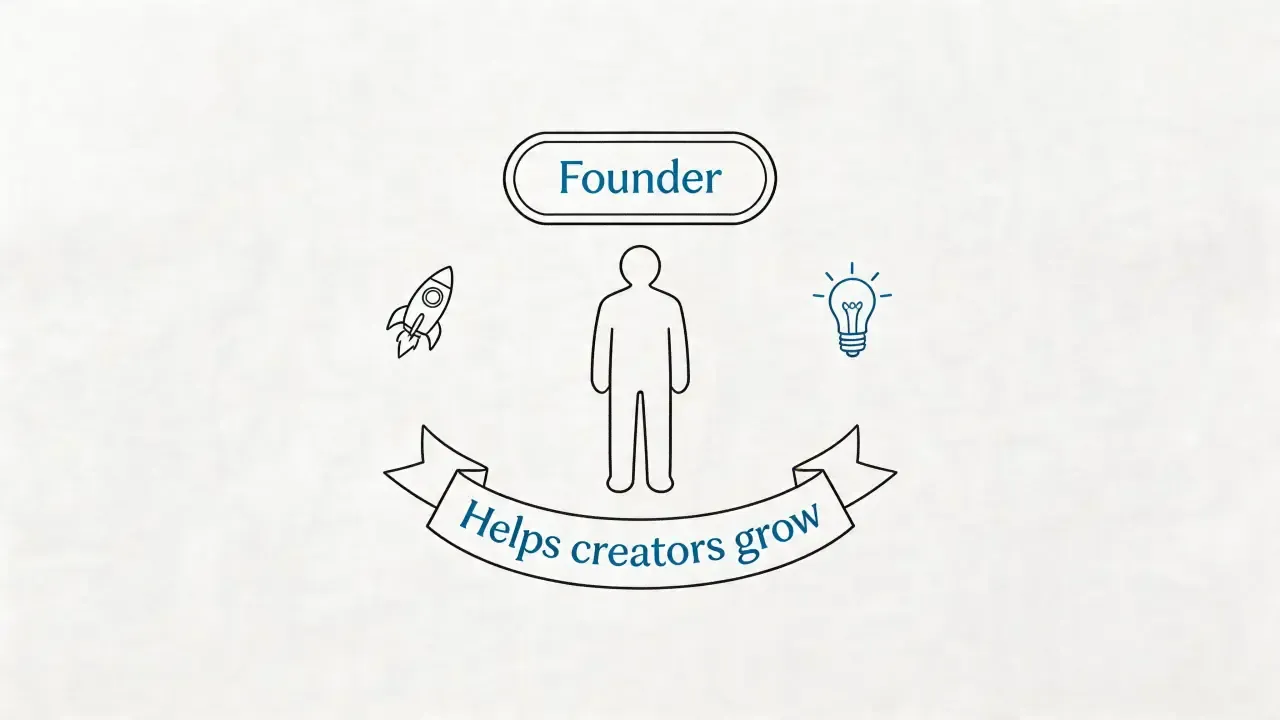
This format works because it answers the two questions profile visitors have. Who is this person? What will I get by following? For founders, operators, and creators, that clarity usually beats clever wording.
The trade-off is simplicity. A broad bio can attract more people, but it often converts worse because the value is vague. A tighter bio can reduce casual interest and improve the quality of followers, replies, and inbound DMs.
Lead with identity, finish with payoff
Start with the role that has the strongest signal for the audience you want. If you post about startup distribution, “founder,” “operator,” or “growth marketer” will usually carry more weight than something soft like “builder of ideas.” If you write market analysis, lead with “analyst,” “investor,” or “trader” only if your feed supports it.
Then write the payoff in plain language. “Helping creators grow on X” says more than “sharing thoughts.” “Building AI tools for indie hackers” gives people a reason to stay. The best role + value bios read like a positioning statement, not a résumé line.
A few practical rules:
- Use one clear role first: founder, creator, operator, designer, investor
- Make the value specific: helping SaaS founders grow, breaking down crypto research, sharing product distribution lessons
- Match the promise to your content: if your feed is inconsistent, the bio will overpromise
- Keep formatting clean: one separator and one or two visual cues is usually enough
- Draft multiple versions on purpose: use Xholic AI to generate bio angles by strategy, then test a few variations against your current content and pinned post
A simple prompt inside Xholic AI works well here: write 5 X bios using the Role + Value Proposition strategy for a founder who posts about creator growth, AI tooling, and distribution. Keep each under the character limit and make the payoff concrete.
Practical rule: if a stranger cannot describe what you do and who you help after one read, the bio needs another pass.
2. Numbers + Achievement Bio
A founder lands on your profile from a reply, scans your bio for two seconds, and decides whether you have earned their attention. Numbers can do that fast. They can also tank trust fast if they feel padded, old, or disconnected from what you talk about.
Examples:
Built 3 startups to $1M+ ARR | Now sharing founder-led growth lessons
100K+ followers | 2M monthly impressions | Crypto research and market reads
$5M in portfolio returns | Angel investor + trader | Public notes from real decisions
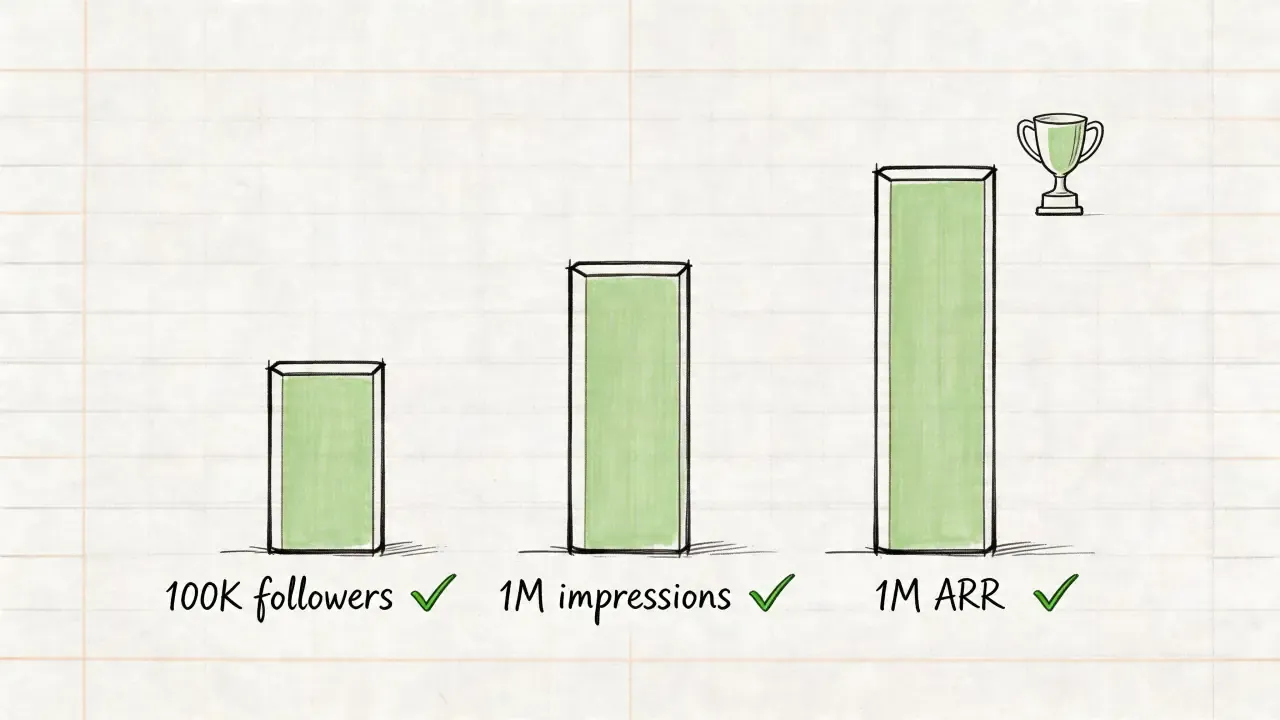
This bio strategy works best when the metric answers one question clearly: why should someone trust you?
Good numbers reduce doubt. Weak numbers raise more questions than they answer. “2M impressions” can work if you teach content distribution. “2M impressions” means less if your feed is about B2B sales systems, product design, or investing and there is no clear tie between reach and expertise.
Pick proof that supports your positioning
Use the metric that matches the promise behind your account. Revenue, users, exits, portfolio results, clients served, products shipped, or years in the field usually carry more weight than follower count alone. Reach metrics are still useful, but they need context so they read as evidence, not decoration.
Examples that hold up better:
Built product to $1M+ ARR | Writing about founder-led growth
Scaled to 50K users | Sharing product onboarding lessons
2M monthly impressions on X | Explaining the content systems behind them
I usually advise founders and creators to treat this like message-market fit for a bio. The number should support the strategy category you want to lead with. Social proof, status, authority, or execution. If the metric does not strengthen one of those, cut it.
A practical test helps here. If someone replies “how?” after reading your bio, that is good. If their first reaction is “really?”, rewrite it.
- Use claims you can defend: if a visitor asks for context in replies, your content should back it up
- Keep numbers current: outdated follower counts and old revenue milestones make the profile feel neglected
- Add one layer of specificity: monthly impressions, products shipped, funds invested, founders advised
- Match the number to your buyer or audience: creators care about reach and content results. SaaS founders care more about revenue, users, retention, and growth systems
- Limit the stack: one or two strong metrics usually outperform a crowded string of numbers
Xholic AI is useful here because you can test this strategy directly instead of guessing. Prompt it to generate numbers-first bios by angle, then compare versions built around authority, traction, or credibility. For example: write 5 X bios using the Numbers + Achievement strategy for a SaaS founder with 40K users, $500K ARR, and content about product growth. Keep each bio concise, believable, and tied to the audience benefit.
The trade-off is simple. Numbers get attention quickly, but they create a higher burden of proof. Use them when they strengthen trust and support your positioning. Skip them when they only make the bio louder.
3. Problem-Solver Bio
A founder opens your profile after seeing one reply. They do not need your job title first. They need to know whether you understand the problem they are dealing with right now.
That is why this bio style works. It leads with friction, then gives a clear outcome.
Examples:
Helping creators find viral momentum without wasting hours | Xholic AI founder
Your tweets get buried? I help founders get seen by the right people 📢
I help indie hackers stop building in silence and start earning attention as they ship
Use this format when your audience already knows the pain. Early-stage founders posting to empty timelines, creators getting views but weak engagement, and operators sharing smart ideas that never travel usually respond faster to a bio that names the blockage directly.
Name the problem the way your audience says it
Good problem-solver bios sound pulled from replies, DMs, and customer calls. Bad ones sound like polished positioning docs. “Helping people grow” is too soft to do any work. “Turn ignored posts into qualified attention” is specific enough to make the right person stop.
Specificity matters more here than credentials. “Indie hackers building AI tools” gives a visitor context. “Entrepreneur” says almost nothing. The sharper the problem, the easier it is for the right follower to self-identify.
Xholic AI is useful here because you can turn this into a repeatable workflow instead of guessing. Use Inspiration search to collect the exact phrases your audience uses in high-performing posts and replies. Then prompt it directly: write 5 X bios using the Problem-Solver strategy for an AI founder helping indie hackers get attention for product launches. Focus on pains like low reach, weak replies, and building in silence. Keep each version concise and conversational. After that, use Reply Composer so your replies match the same promise your bio makes.
A few rules keep this strategy sharp:
- Use pain words people say: buried, ignored, stuck, invisible, overwhelmed
- Tie the pain to a usable outcome: better replies, more reach with the right audience, clearer positioning
- Keep the promise believable: solve one painful problem well instead of claiming broad transformation
- Make the audience obvious: founders, creators, analysts, indie hackers, consultants
There is a trade-off. A pain-first bio can convert faster because it feels relevant, but it can also narrow your positioning. That is usually a good trade if you want qualified followers, better profile clicks, and clearer inbound conversations. If your account serves several audiences at once, this format needs tighter wording so it does not box you in too early.
A strong problem-solver bio tells visitors, “I know what is blocking you, and I can help fix it.” For many founders and creators, that outperforms a bio that only lists roles.
4. Multi-Interest Clustering Bio
A lot of builders don’t fit in one box. That’s fine. The mistake isn’t having multiple interests. The mistake is listing unrelated identities that make the account feel scattered.
Examples:
Founder • Investor • Writer | Building in public at Xholic AI 🚀
AI tools → Crypto → Indie hacking | Sharing what I learn as I build
Startup founder | Angel investor | Trading daily | Teaching my process
If your content spans product, markets, and writing, clustering can work well. It signals range without forcing a false single-label identity.
Make the cluster feel coherent
The interests need a connective tissue. “Founder • investor • writer” works because those roles can support one another. “Fitness • crypto • parenting • astronomy” usually needs stronger curation in the feed before it belongs in a bio.
Order matters too. Put your primary content identity first. The first term becomes the anchor people use to interpret everything after it.
A practical way to keep this format from becoming chaos is to use Xholic AI’s Daily Pack and Saved & Collections. If your bio claims three areas, your recent posts should reflect all three enough that the profile doesn’t feel like bait.
- Pick one divider style: •, |, or →. Don’t mix them.
- Limit the cluster: two to four interests is enough.
- Check tweet support: your last posts should back up the labels in the bio.
The bio can hold multiple identities. The feed still needs one coherent reputation.
5. Status/Stage-Based Bio
Someone lands on your profile after a reply goes semi-viral. They are deciding fast whether to follow a finished brand or a live story. A status or stage-based bio works best when you want them to join mid-journey.
Examples:
Building Xholic AI in public | Shipping features weekly 🛠️
Shipping my 4th startup | Documenting the chaos so you can learn from it
Day 47 of building in public | Writing daily about what I’m learning
This bio style signals timing. It tells people where you are right now, whether that is idea stage, MVP, first revenue, or early scale. For founders and creators, that often converts better than a polished title because it gives followers a reason to come back and see what changed.
The trade-off is credibility versus immediacy. A stage-based bio can feel honest and magnetic. It can also feel thin if the feed does not prove the work. “Pre-launch SaaS founder” is strong when your posts show product decisions, customer notes, and shipping updates. It falls flat when the timeline is generic quotes and recycled growth tips.
Keep the stage specific. “Building in public” is weaker than “Pre-launch founder. Interviewing 20 users. Sharing what breaks and what sticks.” Specificity gives your account a plot.
Xholic AI is useful here because this strategy depends on visible momentum. Use Goals & Streaks to track shipping days, posting cadence, and milestone updates, then turn those signals into bio refreshes every few weeks. If you want the content itself to support that live-progress identity, this AI playbook for going viral on Twitter can help you shape updates people notice.
- Name the current stage: idea, MVP, revenue, or scaling.
- Add a live signal: day count, shipping rhythm, launch target, or user research goal.
- Update it often: stale stage-based bios hurt trust fast.
- Match the feed to the claim: progress posts, misses, experiments, and lessons should show up in recent tweets.
This format fits builders who want followers to track progress in real time, not just admire the end result.
6. Perspective/Philosophy-Driven Bio
A founder lands on your profile after seeing one strong take in the feed. They are not checking your resume first. They are asking a faster question: do I want more of this person’s lens?
That is what a philosophy-driven bio does well. It states the belief behind the account, not just the job title. Used properly, it becomes a filtering tool. The right people follow because the angle is clear. The wrong people self-select out, which is often a good trade if you care about qualified attention over broad attention.
Examples:
I believe creators should own their distribution. Building tools to make that real.
AI should amplify human creativity, not replace it | Shipping that vision at Xholic
Bootstrap, ship, learn, repeat | No VC, no excuses | Building the way founders should
This format works best for accounts built on opinion, analysis, or a distinct operating style. It is weaker for generalist feeds with safe, interchangeable posts. If the bio sounds conviction-led but the timeline is full of recycled takes, visitors notice the gap fast.
The practical rule is simple. Pick one belief you can defend in public over and over. Short beats clever here. A good philosophy bio gives you a repeatable message for threads, replies, interviews, and profile visits. It also gives your content a spine.
I usually write these by choosing the strategic angle first. Social proof says, “trust me because I’ve done it.” Problem-solver says, “follow me because I can help.” Philosophy says, “follow me because my lens helps you interpret the market.” That distinction matters. Founders with polarizing ideas, creators with a clear craft standard, and operators with a strong point of view often get more traction from belief than from credentials alone.
Xholic AI is useful here because consistency is the hard part. Use Tweet Remixer to rewrite drafts in the same voice, then test tighter variations of your bio against the kinds of posts you publish most. If you want that philosophy to carry into stronger distribution, this AI playbook for going viral on Twitter is a solid companion because it helps you shape repeatable ideas people see.
A minimalist bio can work, but only when the account already carries clear meaning through its posts, replies, and reputation. For everyone else, one direct belief usually performs better than ambiguity.
- State one belief: not a life story, not a manifesto.
- Use plain language: if a follower cannot repeat it, it is too abstract.
- Match the feed to the claim: opinions, examples, and decisions should reinforce the belief.
- Test strategy, not just wording: compare a philosophy-led bio against a proof-led or problem-led bio and watch which one brings better-fit followers.
This is one of the stronger twitter biography ideas for people building a category, a movement, or a reputation around how they think.
7. Audience Specification Bio
A founder lands on your profile after one good reply. They decide in seconds whether your account is for them. An audience-specific bio removes that guesswork.
Examples:
For indie hackers who want to grow on X without turning every post into bait
Bootstrapped SaaS founders | Practical growth systems, clearer positioning, better replies
Crypto traders and analysts | Daily market context + technical breakdowns
This format works because it filters before the follow. The right people feel recognized. The wrong people self-select out, which usually improves follower quality and the conversations in your mentions.
Specify the audience with language they already use
Broad labels create weak fit. “Founders” is vague. “Pre-seed SaaS founders” or “bootstrapped app builders” gives a visitor a fast yes or no. That clarity matters more than sounding broad or impressive.
The earlier roundup noted that incomplete profiles get skipped. A generic bio creates the same effect. The profile has words, but it still does not answer the visitor’s real question: “Is this account for someone like me?”
Xholic AI helps tighten this faster than manual drafting. Search your niche inside Inspiration and collect the exact labels people use for themselves, plus the frustrations they repeat in posts and replies. Then test two or three bio versions that change only the audience definition. One might pull in more followers. Another might attract fewer followers but better-fit leads, podcast invites, or higher-signal replies. That trade-off is usually worth measuring.
- Name the audience clearly: indie hackers, seed-stage founders, ecommerce operators, crypto analysts.
- Add the job they want done: better reach, sharper market reads, more qualified inbound.
- Use insider phrasing carefully: enough to signal fit, not so much that new followers feel excluded.
- Check profile fit against results: follower growth matters less than whether the right people click through, reply, and convert.
A strong audience-specification bio does not try to win everyone. It helps the right person say, “this account gets my situation,” and that is often enough to earn the follow.
8. Media/Content Type Bio
A visitor lands on your profile after one strong post. They are not always asking, “Who is this?” Often they are asking, “What will I keep getting if I follow?”
That is where a media/content type bio works. It sells the format, the cadence, and the reason to come back.
Examples:
Daily AI + productivity insights | Every morning at 6am
Crypto breakdowns every Monday + Thursday | Technical analysis + macro perspective
Long-form threads on building, fundraising, and growth | Sunday + Wednesday drops
This approach works best for creators and founders who already publish in recognizable formats. If your account has a rhythm, put that rhythm in the bio. It reduces uncertainty fast. A founder deciding whether to follow for tactical threads or a creator looking for recurring market recaps can tell in seconds if the account fits.
The trade-off is straightforward. A clear publishing promise can raise follow conversion, but only if you keep it. “Daily threads” sounds strong until you miss five days and train people to ignore the profile. In practice, I have seen better results from slightly underpromising and posting consistently than from writing an ambitious bio you cannot support.
Make the promise easy to scan. Name the content type first, then the topic, then the cadence if it matters.
- Lead with the format: threads, video clips, teardown posts, weekly recaps, case studies.
- Tie it to a content outcome: market analysis, growth ideas, founder lessons, product breakdowns.
- Add cadence only if it is real: daily, every Friday, twice a week, monthly report.
- Keep the language specific: “Founder teardown threads” says more than “sharing content regularly.”
Xholic AI is useful here because it helps turn a bio promise into an actual publishing system. Use it to draft posts in the format you are claiming, then test whether your audience responds better to “daily insights,” “weekly breakdowns,” or “thread-based analysis.” If you want content formats that match this kind of bio, the guide to boosting Twitter engagement with AI post tools gives solid starting points.
A strong media/content type bio works well for accounts that win on consistency, not just credentials. It tells people what they can expect, and that expectation is often enough to earn the follow.
9. Call-to-Action/Conversion Bio
A conversion bio works best when someone lands on your profile already interested and just needs a clear next step. Founders pushing a waitlist, creators selling a newsletter, and operators recruiting for a private community all fit this format.
Examples:
Join creators using Xholic AI to grow faster | Start the 7-day free trial
Getting traction on X? DM “crew” for the founder chat
Subscribe for daily market analysis | Link below
This category is strategy-first, not template-first. The job of the bio is to connect attention to action without sounding like an ad. Strong CTA bios usually follow a simple order: value first, action second, friction low.
Turn profile traffic into action
Lead with the benefit people care about, then tell them what to do. “Helping SaaS founders write better posts | Try Xholic AI” converts better than opening with “Sign up now” because the visitor understands the payoff before the ask appears.
Keep the action specific. “DM ‘audit’ for a profile review” is stronger than “reach out anytime.” “Join the waitlist” is clearer than “learn more.” If the next step takes effort, the value proposition has to carry more weight.
Search fit matters here too. A CTA buried inside vague language gets ignored by both people and profile search. Use keywords that match buyer intent, then attach the action. For example: “AI tweet ideas for founders | Get the free tool” has a clearer job than a broad line about growth.
Xholic AI is useful here because it lets you test conversion angles, not just write cleaner bios. Draft three versions built around different strategies, one based on social proof, one on a pain point, and one on status. Then match each bio with supporting posts and replies generated from this guide to AI tweet generators for quick, creative replies. That makes the bio feel consistent with the rest of the profile, which usually improves response quality.
I use one rule here. Never ask for an action your profile has not earned yet.
A good CTA bio channels existing intent into one obvious move.
10. Emoji + Visual Storytelling Bio
A founder lands on your profile from a reply, gives you three seconds, and decides whether you look sharp or scattered. Emoji bios can help in that moment because they create visual anchors fast. They also fail fast when every symbol fights for attention.
Examples:
🚀 Building Xholic AI | 📈 Helping creators grow | 🤖 AI + X
📝 Writing | 🧠 Thinking | 💰 Trading | 🎯 Sharing what I learn
👨💻 Founder → 📊 Data → 🤝 Community → 🎯 Impact
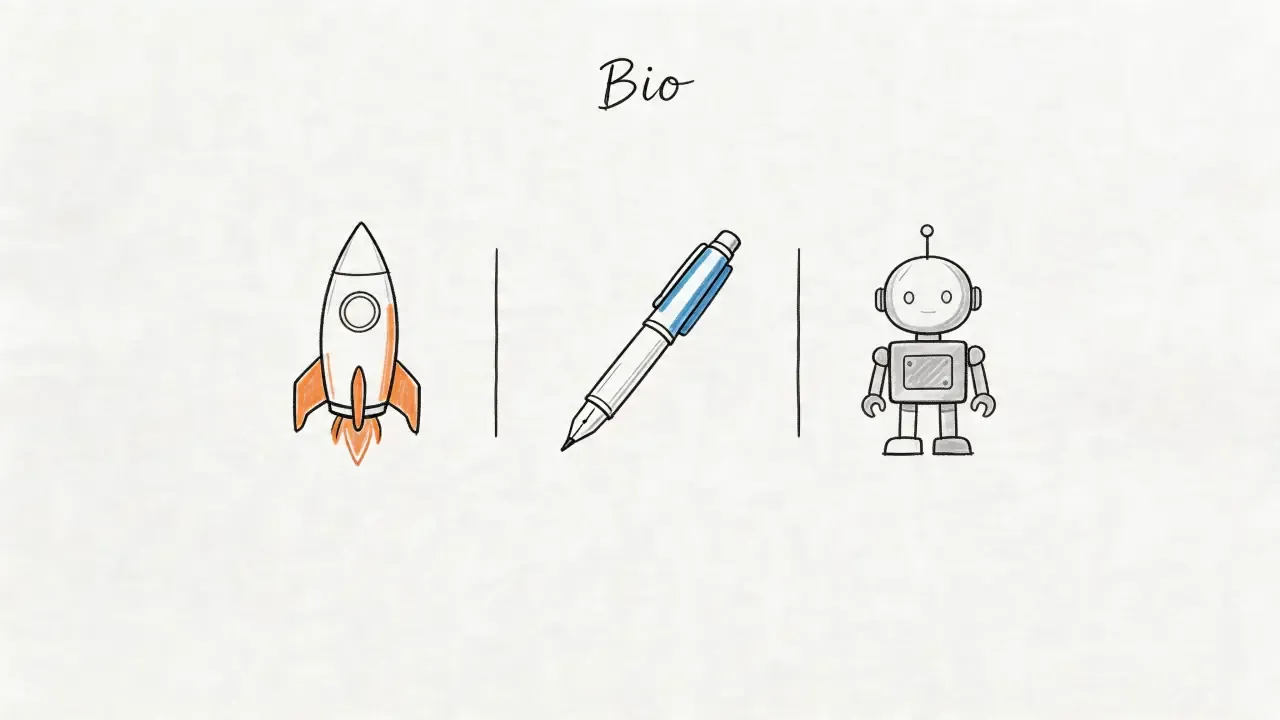
The strategy here is visual positioning. You are not adding emojis to look playful. You are using them to signal what bucket your profile belongs in before someone reads every word.
That matters most for creators and operators with crowded identities. If you build, write, invest, and advise, icons can separate those lanes without burning too many characters. The trade-off is clarity. The more symbols you add, the more your bio starts to feel coded instead of readable.
Use emojis as category markers
Each emoji needs a job. 🚀 can mark building. 📝 can mark writing. 📊 can mark analytics or growth. 🤖 can mark AI. If an icon does not clarify the line, remove it.
Keywords still carry the bio. Emojis improve scan speed, but search fit comes from the actual words in the profile. Keep the text understandable with every icon stripped out.
I usually test this format in two passes. First, write a plain bio that states role, audience, and value. Then create a second version with three to five emojis placed at the start of each idea block. Xholic AI is useful here because you can prompt it by strategy, not just style. Ask it for one emoji-led bio built around status, one around problem-solving, and one around social proof. Then compare profile visits, follow quality, and DM relevance over a week.
If you want the rest of the profile to match the same tight, visual style, pair the bio with quick, creative replies generated for X posts. The profile reads better when the bio, posts, and replies use the same level of clarity.
A quick visual example helps:
- Limit the set: three to five emojis is usually enough.
- Use familiar meanings: avoid symbols that need decoding.
- Group by strategy: one icon per role, proof point, or content lane.
- Keep text readable without them: accessibility still matters.
A strong emoji bio gives a visitor structure at a glance, then backs it up with clear language. If the icons disappeared tomorrow, the positioning should still hold.
10 Twitter Bio Ideas Comparison
| Bio Type | 🔄 Implementation Complexity | ⚡ Resource & Effort | 📊 Expected Outcomes | 💡 Ideal Use Cases | ⭐ Key Advantages |
|---|---|---|---|---|---|
| Role + Value Proposition Bio | Low, straightforward structure to write and scan | Low, brief updates; minimal upkeep | Clear positioning and trust; attracts aligned followers | Startup founders, creators launching products, indie hackers | Immediate clarity of role and value; professional appearance |
| Numbers + Achievement Bio | Medium, needs verification and periodic updates | Medium, tracking metrics and validating claims | Strong credibility and authority; attracts investors/partners | Founders seeking investment, traders, analysts | High social proof and trust when current and verifiable |
| Problem-Solver Bio | Medium, requires audience research and testing | Medium, ongoing testing to refine language | High relevance and conversion from problem-aware audience | Service providers, tool creators, creators solving pain points | Highly relatable; attracts people actively seeking solutions |
| Multi-Interest Clustering Bio | Medium–High, must ensure coherent intersection | Medium, content must support multiple interests | Diverse audience reach; potential dilution of authority | Polymaths, multi‑passionate creators, founders with varied roles | Authentically represents breadth; opens unique intersectional insights |
| Status/Stage-Based Bio | Low, simple to state current stage; needs cadence | Medium, frequent updates and consistent shipping | Strong engagement and loyal followers following the journey | Builders, indie hackers, those building in public | Authenticity and narrative momentum; attracts collaborators |
| Perspective/Philosophy-Driven Bio | Medium, craft a clear, distinctive worldview | Medium, require consistent behavior and content alignment | Deep engagement within a niche; can be polarizing | Thought leaders, crypto builders, long-term influencers | Memorable, distinctive positioning that builds a tribe |
| Audience Specification Bio | Low, explicitly name target audience | Low–Medium, requires precise audience understanding | High follower relevance and better alignment | Niche creators, B2B marketers, coaches and consultants | Filters to ideal followers; improves quality of engagement |
| Media/Content Type Bio | Low, state format and cadence clearly | High, maintaining promised cadence/content output | Reliable audience retention; expectation setting | Newsletter writers, analysts, daily/weekly content creators | Sets clear expectations; builds consistency and reliability |
| Call-to-Action/Conversion Bio | Low–Medium, craft clear CTA and link strategy | Medium–High, landing pages, tracking and follow‑up | Direct conversions and measurable ROI from bio traffic | Product launches, community builders, course creators | Maximizes bio ROI by driving specific follower actions |
| Emoji + Visual Storytelling Bio | Low, select strategic emojis to support message | Low, minimal maintenance if used thoughtfully | Improved scannability and memorability; higher approachability | All creators as an enhancement; visual-first audiences | Enhances personality and visual distinctiveness; boosts recall |
From Idea to Impact Making Your New Bio Work for You
Your bio isn’t a trophy line. It’s a working asset. The best bios change as your positioning changes, your audience sharpens, and your proof gets stronger.
Start with one strategy, not three. If you’re an early-stage founder, a status-based or problem-solver bio usually provides more advantage than a numbers-heavy one. If you already have real outcomes and a clear offer, a numbers or CTA bio can pull more weight. If your voice is your edge, a philosophy-led bio may outperform all the cleaner templates because it creates stronger identity.
A useful rule is this: your bio should make your latest tweets easier to understand. If the bio says you help bootstrapped SaaS founders grow on X, your recent posts should sound like that. If the bio says you’re documenting a build journey, the feed should show progress, not random commentary. The bio doesn’t work alone. It frames the content sitting beneath it.
Testing matters more than polishing. Update the bio, then watch what changes in follower quality, reply quality, and inbound conversations. A better bio often shows up first in the kind of people who engage, not just the quantity. That’s why I treat bio changes like landing page tests. Same profile. New framing. Better signal.
Keep your trade-offs clear:
- Clarity beats cleverness: most witty bios underperform if they hide what you do.
- Specificity beats breadth: tighter audience language brings better-fit followers.
- Proof beats posturing: real metrics, real stage, real beliefs.
- Consistency beats intensity: the best bio loses power if the feed doesn’t match it.
Xholic AI is useful because it closes the loop. You can pull language from high-momentum conversations, remix phrasing in your own voice, maintain content consistency with Daily Pack, and track whether your updated profile positioning is attracting the right people. That’s the ultimate win. Not just getting a bio that sounds better, but getting one that performs better.
If you’re stuck choosing among these twitter biography ideas, don’t overthink it. Pick the one that matches your current goal. Growth, authority, community, or conversion. Write one version, publish it, observe the response, and refine from there.
Your new bio is a hypothesis. Make it earn its place.
Xholic AI helps founders, creators, traders, and solo builders turn a stronger bio into real profile growth. Use Xholic AI to find high-momentum conversations, remix tweets in your own voice, write better replies, and stay consistent without sounding automated. If you want sharper positioning, faster content, and a cleaner growth loop on X, it’s a practical toolkit to start with.